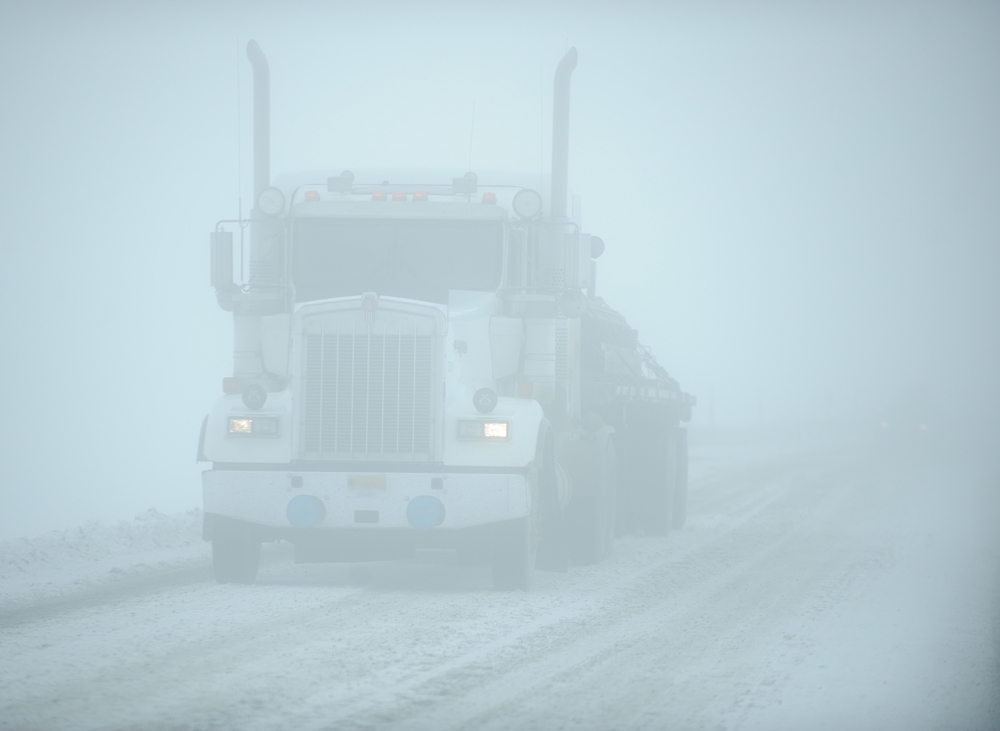
Winter is the most dangerous time for America’s truck drivers. Snow, ice, wind, and rapidly changing temperatures make life on the road stressful during the winter months. Although truckers can’t control every aspect of what winter brings to the job, they can take steps to make hauls safe for everyone.
Here are 4 tips for truck drivers during the winter season:
- Inspect your truck (tires, battery, windshield wipers, fluids, lights, food and water, blankets and clothes, tools)
- Slow down and create extra space
- Always keep a winter prep kit
- Monitor weather conditions
Read more about these winter truck driving tips.
1. Inspect Your Truck
Regular truck inspections are an essential part of truck safety year-round. Thorough truck inspections before, during, and after hauls in winter are vital. Even the smallest overlooked details can create unsafe driving conditions -even for the most experienced truckers.
– Tires
Tires are literally where the rubber meets the road. Maintaining recommended tire pressure should be first on your truck inspection list. Close attention should be paid to tire wear and tread depth. Uneven tire wear and low tread depth can cause blowouts or affect tire grip. A truck driver should also check the record of the last tire balance service.
– Battery
Regularly checking for sufficient battery power ensures your rig is less likely to have you stranded between truck stops or in a remote location. Experienced truckers carry a battery charging system for the off chance the battery goes. Keeping a set of jumper cables on board is also a good idea.
– Wipers
Most truck drivers are safe drivers. Keeping an eye on other vehicles is hard enough without dirty and streaky windows. Clean and glare-free windows start with fresh and effective windshield wipers.
*EXTRA WINTER TRUCK DRIVING TIPS: 1) Stash a new set of wipers on board, so you never have to move around trying to get a better view of what’s in front of your truck. 2) Be sure to check how well your defrosters are working.
– Fluids
One way to keep your truck running smoothly is to top off fluids regularly. It’s good practice to keep your trip breakdown-free and important for keeping your truck running longer. Oil, power steering, transmission, brake antifreeze-coolant, and windshield wiper fluid need constant attention. Experienced truckers check them at least every 2,000 miles.
– Lights
Visually inspecting all rig lights for issues is one of the best ways to stay safe on the open road. Fully functioning turning signals and other indicators mean you are communicating with other vehicles. It’s always safer when cars and trucks know what your next move will be.
– Food and Water
Experienced truckers know there’s a chance weather conditions, or an accident can shut down a section of the road. On the odd chance of getting stranded for hours on a major highway, a well-stocked stash of food and water takes the stress out of waiting it out. Put together some healthy snacks and water bottles, just in case.
– Blankets and Clothes
Keeping enough blankets and warm clothes handy can keep a stranded situation from going from bad to worse. Frostbite is a major concern for those times heaters, batteries, or the need to walk long distances come up. Warm socks, hats, gloves, and a sleeping bag are recommended.
– Tools
Most truckers are skilled at fixing things, which means having a solid set of tools for every job is essential. Truck drivers should keep at least the following onboard: rags, duct tape, flashlight, WD40, lighter, zip ties, adjustable wrench, screwdrivers, knife, vice grips, hammer, fuses, gloves, and safety glasses. Many truck drivers will carry additional items like tire and tread depth gauges, belts and hoses, and wire cutters.
2. Slow Down and Create Extra Space
One of the safest actions any truck driver can take in the winter is slowing down. Reducing speeds is generally considered the biggest factor in reducing accidents. By increasing reaction times, trucks and other vehicles can take evasive action. Most people operating cars are unaware of how time and space are needed for trucks to stop. Creating more space between vehicles significantly decreases the chance of an accident.
3. Always Keep a Winter Prep Kit
Every rig should have a well-stocked prep kit. All seasons call for an emergency kit, and winter requires a few more items. In addition to a first aid kit, a winter prep kit should include the following: de-icer, shovel, bags of sand or ice, hand warmers, batteries, flares, and jumper cables. Some truck drivers also carry extra medication (within expiration dates).
4. Monitor Weather Conditions
Thankfully, keeping track of changing weather patterns is easier than ever. Every truck driver needs a weather app on their smartphone. The Weather Channel, Intellicast HD, Storm Shield, Weather Underground, or AccuWeather will provide up-to-the-minute weather conditions.
Weather conditions threatening truck driver safety the most are fog, heavy rain (in bursts), high winds, icy bridges, and black ice. Use your weather app and your CB radio to monitor what may affect your trip.
People Also Ask
Is trucking hard in winter?
Yes, trucking can be challenging in winter due to hazardous road conditions such as snow, ice, and reduced visibility. Winter weather can make driving more difficult and dangerous, requiring truck drivers to be extra cautious, adjust their driving speed, and be prepared for unexpected situations. Winter driving also demands greater skill and experience to handle potential issues like skidding, jackknifing, or getting stuck in snow.
How do truckers sleep in their truck in winter?
Truckers typically sleep in the sleeper cab of their truck during winter. To stay warm, they may use specialized equipment such as bunk heaters, which run off the truck’s fuel and provide heat without idling the engine. Many also use heavy-duty sleeping bags, thermal blankets, or extra layers of clothing to stay warm. Some trucks are equipped with auxiliary power units (APUs) that can provide heat and power without running the main engine, helping to keep the sleeper cab comfortable in cold weather.
What do truck drivers do when it snows?
When it snows, truck drivers take several precautions to ensure their safety and the safety of others on the road:
- Drive cautiously: They reduce their speed, increase following distance, and drive with extra caution to avoid accidents.
- Monitor weather and road conditions: Truckers frequently check weather reports and road conditions to plan their routes and avoid the worst areas.
- Chain up: In some regions, particularly in mountainous areas, truck drivers are required to use tire chains to improve traction on snow-covered roads.
- Take breaks or stop if necessary: If conditions become too dangerous, truck drivers may pull over at a rest stop or safe location and wait until the weather improves. Safety is a top priority, and sometimes waiting out a storm is the best option.
Conclusion
Above all else, safety is the biggest responsibility for today’s truck drivers. It’s both easier and harder to maintain safety on the open road. Distracted and impatient drivers can make for stressful hauls. So, it’s on every trucker to ensure the equipment and systems on their truck are working properly. Use these winter truck driving tips, find some of your own hacks, and be safe out there.
For more about driving for Barr-Nunn Transportation, read our FAQ.
Interested in driving for Barr-Nunn Transportation? Search Truck Driving Positions or Apply Now!
You may also enjoy: 7 Qualities of Successful Truck Drivers