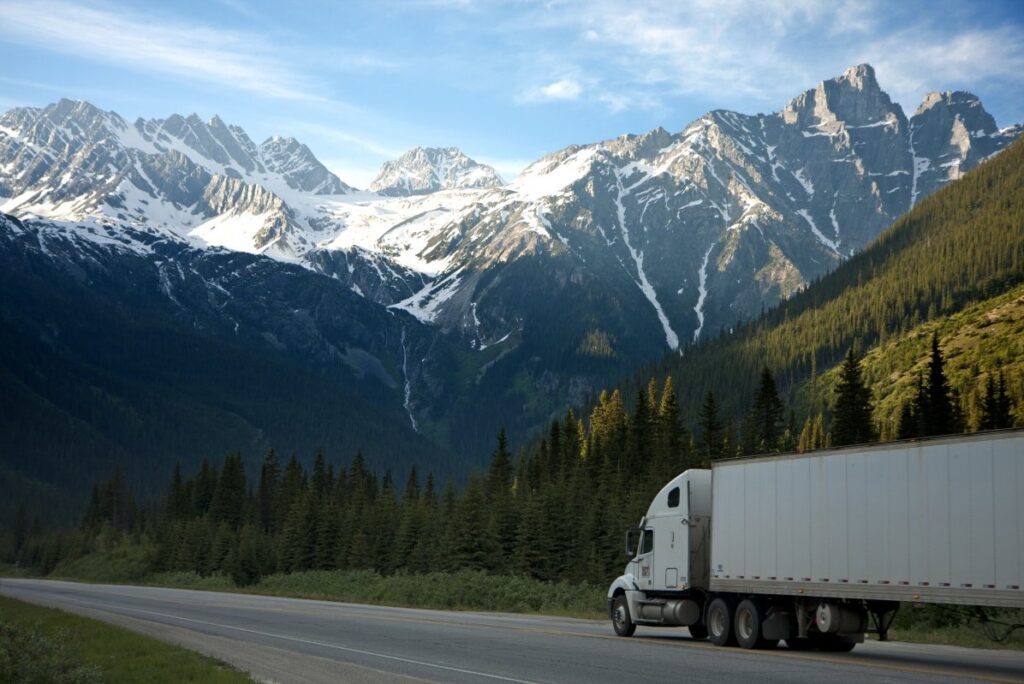
Driving on mountainous roads is not easy for any driver. However, when you are operating a big rig truck, this can be even more challenging. Read on to learn more about the potential dangers of mountain driving and how to counteract these risks and stay safe, even on mountain roadways:
Potential Dangers of Mountain Driving
Mountain roads are scenic and beautiful, but they can also be deadly if not given the respect they are due. The first step is knowing the risks, which include the below factors:
- Downgrades due to steep grades mean you might have to use your gears and your brakes a lot when driving down mountain regions. Overheating brakes is one of the most common dangers associated with severe downgrades like those found through mountain passes.
- Bad weather, like ice, snow, or even rain can make mountain roads slick, and severe winds can cause significant problems.
- Blind curves and narrow roads with little to no shoulder are just part of mountain driving. These are factors all big rig drivers need to be aware of before hitting the roadway.
- Believe it or not road rage from drivers who want to get around your rig can be more likely when driving on narrow mountain roads, even with the enhanced dangers of passing.
How to Prepare
Driving safely up, around, and down mountains begin with great preparation. Ask yourself: What should I do before driving in mountains? Or what safety precautions should you take when driving in mountains? Keep the following tips in mind to ensure you are well-prepared for any challenge you might face on mountain roadways:
- Check the weather where you plan on traveling. While sometimes the weather can get nasty quickly and without much warning, if you know that bad weather is coming, you might be able to find another route to get you to your destination. If not, it will at least ensure you know what you will be facing and be prepared.
- Make sure that you have your tire chains at the ready. This is especially important when your route includes mountain roads where snow and ice can make them particularly treacherous.
- Maintain your truck’s engine and brakes. As mentioned above, the grades on mountain roads are hard on brakes and your engine. Therefore, make sure that you are properly maintaining these elements of your truck and that they are working as they should before you attempt a mountain route.
Tips for Truck Driving in the Mountains
Read below for more tips on how to safely drive on mountains:
- Pay attention to grading. A major cause of accidents is not knowing the grade of a road. If you are not familiar with the area already, make sure to look for the grade sign. This percentage will give you an idea of what speed is safest to use when either climbing or descending a mountain. In most cases, you need to stay in lower gear during this process.
- Go slow and use the appropriate gear. Another way to stay safe on mountain roads is using the right equipment like snow chains and going slow. Always match your speed to the current road conditions and the mountain grade to stay safe. Slow and steady wins the race when it comes to making it safely over a mountain in a big rig.
- Watch for curves ahead. Mountain roads are notorious for blind curves. When traveling these mountain passes, keep in mind that there will be curves ahead, and ensure that your speed is appropriate to navigate them safely.
- Don’t overuse brakes. Many drivers make use of the jake brake and only touch their brake pedal occasionally. When you maintain a slow speed and have allowed for the grade percentage, you shouldn’t have to hold down the brakes.
- Don’t tailgate. Although it can be difficult to avoid, especially on narrow roads where passing is sometimes impossible, it’s important to never tailgate. You don’t want to find yourself unable to stop and hit someone who is moving slower than you.
- Turn on hazards. If you want to ensure that other drivers know you are doing your best to maintain a slow and safe speed, which might not always be to their liking, turn on your hazards. This is also a good idea if you find yourself in rainy, snowy, or foggy conditions as it will make you more visible to other drivers.
- Use a runaway lane. When absolutely necessary, use the runaway lane if you find yourself out of control of your rig. While it might not be what you want to do, it can save your life.
Drivers Also Ask
What is the most common danger of mountain driving for truckers?
The most common danger for truckers driving on mountain roads is overheating the brakes, especially when descending steep grades. Constant braking on long downgrades can cause the brakes to lose their effectiveness, potentially leading to accidents. To prevent this, truckers should use engine braking, gear down, and avoid riding the brakes.
How do truck drivers prepare for driving in the mountains?
Truck drivers prepare for mountain driving by checking the weather, maintaining their vehicles, especially the brakes and engine, and ensuring they have the necessary equipment like snow chains. Additionally, they familiarize themselves with the grades and conditions of the roads they’ll be driving on and make sure they’re aware of any blind curves or narrow roads.
Why is it important for truckers to use lower gears on mountain roads?
Using lower gears on mountain roads helps truckers control their speed without overusing the brakes. This reduces the risk of brake failure due to overheating, which is especially important on steep downgrades. Lower gears also provide more engine braking, allowing for smoother descents.
What are runaway lanes, and when should a trucker use them?
Runaway lanes are emergency lanes on steep mountain roads designed for vehicles, particularly trucks, that have lost control or their brakes have failed. Truckers should use these lanes immediately if they cannot slow down or stop their vehicle using their brakes, as runaway lanes can prevent serious accidents.
How can bad weather affect truck driving on mountain roads?
Bad weather, such as rain, snow, or ice, can make mountain roads extremely slick and dangerous for truckers. Snow and ice, in particular, reduce traction, making it difficult to control a truck’s speed and direction. Additionally, severe winds can make steering more challenging, especially in exposed mountain areas. This is why checking the weather and having snow chains ready is crucial for mountain driving.
Why are mountain roads challenging for truck drivers?
Mountain roads present unique challenges for truck drivers due to their steep grades, sharp curves, narrow lanes, and variable weather conditions. These factors require truckers to navigate carefully and adjust their speed frequently. The combination of long downhill stretches and difficult weather conditions like snow or rain can also increase the risk of brake failure, making these routes particularly demanding.
Keep the tips listed above in mind to stay safe as a CDL truck driver navigating dangerous mountain roadways.