Why the Demand for Semi-Truck Drivers Continues to Grow: An Industry Insight

The trucking industry is the lifeblood of the American economy, ensuring that goods travel from ports, warehouses, and factories to every corner of the country. As we navigate through 2025, one trend is unmistakable: the demand for qualified semi-truck drivers is not just steady—it’s accelerating. For companies like Barr-Nunn Transportation, understanding why this demand continues to rise is essential to attracting and retaining top talent. In this article, we’ll explore the driving factors behind the ongoing truck driver shortage, the economic impact, and what the future holds for those considering a career behind the wheel.

The Backbone of America: Why Trucking Matters

Nearly 72.6% of all freight tonnage moved in the United States is transported by trucks, according to the American Trucking Associations (ATA). Every day, truck drivers deliver essential goods—food, medical supplies, building materials—that keep our society running smoothly. The ongoing strength of the trucking industry is crucial for businesses and consumers alike.

The Growing Demand: Key Statistics for 2025

Despite the industry’s importance, the U.S. faces a significant shortage of truck drivers. As of early 2025, the ATA estimates the shortage at over 80,000 drivers, a number that could surpass 160,000 by 2030 if trends continue. What’s fueling this persistent—and growing—demand?

1. Booming E-Commerce & Supply Chain Complexity

E-commerce has transformed the retail landscape, with online sales accounting for nearly 23% of total retail sales in 2024, up from 14% in 2019. This surge translates directly to increased freight volumes and heightened pressure on delivery times. Complex, just-in-time supply chains mean that companies rely more than ever on efficient, reliable trucking solutions to keep shelves stocked and customers satisfied.

2. Economic Expansion and Infrastructure Investments

Despite global uncertainties, the U.S. economy remains resilient. GDP growth in 2024 was 2.2%, with infrastructure projects ramping up due to federal investment. As construction booms and manufacturing rebounds, the need to transport raw materials, equipment, and finished goods rises in tandem. Semi-truck drivers play a vital role in these expanding industries.

3. Driver Retirements and Workforce Demographics

The average age of a commercial truck driver in the U.S. is over 47 years old, and nearly a quarter of current drivers are 55 or older. As these experienced professionals retire, the industry must fill a widening gap. In 2024, more than 400,000 drivers reached retirement age, creating ongoing recruitment challenges.

4. Regulatory Changes and Safety Requirements

Tighter safety regulations, electronic logging devices (ELDs), and stricter Hours of Service rules have changed how fleets operate. While these regulations improve safety and driver well-being, they also reduce the total number of available driving hours—requiring more drivers to move the same amount of freight.

The Impact of the Driver Shortage

The shortage of qualified drivers isn’t just a trucking company problem—it impacts the entire economy. Here’s how:

  • Rising Transportation Costs: As demand outpaces supply, shipping rates increase, leading to higher costs for businesses and, ultimately, consumers.
  • Supply Chain Disruptions: Delivery delays can result in empty store shelves and production slowdowns.
  • Pressure on Existing Drivers: Current drivers face increased workloads and longer wait times at loading docks, impacting job satisfaction and retention.

Why Barr-Nunn Transportation Is Investing in Drivers

At Barr-Nunn Transportation, we recognize that our drivers are the heart of our operation. We’ve responded to industry challenges with competitive pay, modern equipment, comprehensive benefits, and a culture that values safety and respect. Here’s how we’re addressing the driver shortage:

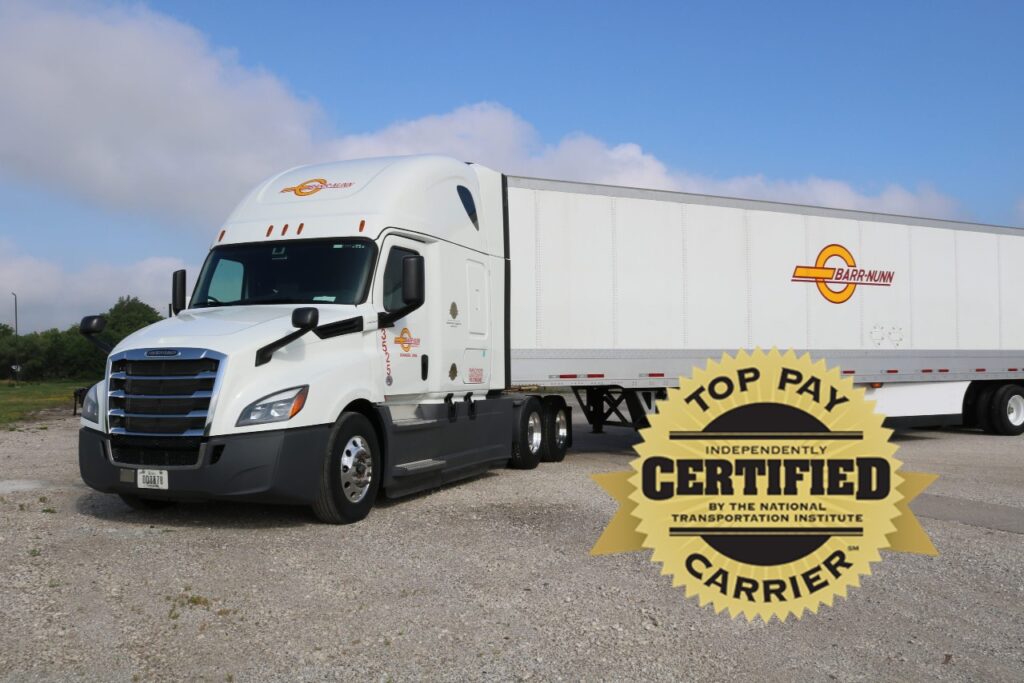
  • Competitive Compensation: According to the U.S. Bureau of Labor Statistics, the median annual wage for heavy and tractor-trailer truck drivers was $54,800 in 2024, with many experienced drivers earning much more through bonuses and incentives. Barr-Nunn consistently has been a Certified Top Pay Carrier by the National Transportation Institute for the past 20 years. In 2024, the top 50% of Barr-Nunn Solo Company Truck Drivers earned an average of $102,499. In 2024, the top 50% of Barr-Nunn Team Truck Drivers earned an average of $123,934 per driver.
  • Flexible Schedules & Home Time: Work-life balance is a top priority. We offer flexible routes and quality hometime schedules to accommodate personal needs, helping attract new talent—especially younger drivers seeking quality of life.
  • Safety-First Culture: Advanced technology and rigorous safety standards protect our drivers on the road.

The Future: Opportunities for New Drivers

The demand for semi-truck drivers isn’t going away anytime soon. In fact, the Bureau of Labor Statistics projects nearly 241,000 openings for heavy and tractor-trailer truck drivers each year through 2032, driven by growth and retirements. This creates tremendous opportunities for those seeking stable, well-paying careers.

Top Reasons to Start a Truck Driving Career in 2025

  • Job Security: Persistent demand means consistent opportunities.
  • Competitive Wages: Rising pay as companies compete for top talent.
  • Variety: Local, regional, and long-haul routes available.
  • Advancement: Room to grow into specialized roles or fleet management.

Conclusion

The demand for semi-truck drivers continues to grow due to a combination of economic expansion, e-commerce growth, demographic shifts, and regulatory changes. For companies like Barr-Nunn Transportation, investing in drivers and creating a positive work environment is not just smart business—it’s essential to keeping America’s supply chains moving.

If you’re looking for a rewarding career with real impact, there’s never been a better time to join the trucking industry.

Ready to join a company that puts drivers first? Learn more about careers at Barr-Nunn Transportation and start your journey today!

Sources

Northeast Regional Truck Driving vs. Over-the-Road: Choosing the Right Path for You

Congratulations on earning your CDL and embarking on a rewarding career in trucking! Here at Barr-Nunn Transportation, we’re dedicated to your success on the road. As you navigate the exciting world of trucking opportunities, one of the first crucial decisions you’ll face is choosing between Northeast Regional and Over-the-Road (OTR) trucking. Both offer unique advantages and understanding these differences will help you select the path that best aligns with your goals and lifestyle.

Understanding Northeast Regional Trucking

Northeast Regional trucking focuses on transporting goods within a designated region, typically encompassing several states in the Northeast corridor. This radius can vary depending on the company, but it often falls within a 650-mile range. Regional drivers haul a variety of cargo, playing a vital role in keeping the Northeast economy moving.

Benefits of Northeast Regional Trucking:

  • More Time at Home: One of the biggest perks of regional trucking is the increased home time. You’ll likely be home weekly or at least most weekends, allowing you to maintain a strong work-life balance. This is ideal for those who value spending time with family and friends or participating in local activities.
  • Familiar Routes: Regional drivers often operate on repetitive routes, giving you the chance to become an expert on the region’s roads and traffic patterns. This familiarity translates to smoother journeys, allowing you to navigate efficiently and anticipate potential delays.
  • Work-Life Balance: With regular home time, regional trucking allows you to establish a more balanced lifestyle. You can schedule appointments, participate in hobbies, or simply unwind without worrying about being constantly on the road.

Challenges of Northeast Regional Trucking

  • Traffic congestion: The Northeast is one of the most densely populated regions in the US, leading to heavy traffic congestion, especially around major cities and during peak hours. This can significantly slow down deliveries and increase driver stress.
  • Narrow roads and tight spaces: Many roads and infrastructure in the Northeast predate the era of large commercial trucks. This means narrow roads, tight turns, and low clearances on bridges can be a constant challenge for truck drivers. Navigating city streets and older industrial areas often requires extra caution and maneuvering skills.
  • Harsh weather conditions: The Northeast experiences all four seasons, and the winters can be particularly brutal. Snow, ice, and freezing temperatures can create hazardous driving conditions, requiring extra caution and potentially causing delays due to road closures or accidents.
  • Limited parking: Finding parking for large trucks, especially in urban areas, can be a major challenge. Truck stops can fill up quickly, and on-street parking is often restricted. This can make it difficult for drivers to take breaks or find rest when needed.
  • Tolls: The Northeast has a complex network of toll roads and bridges, which can significantly increase transportation costs for trucking companies and drivers who pay tolls themselves.
  • Aggressive driving: Traffic congestion and a fast-paced lifestyle can contribute to aggressive driving behavior in the Northeast. Truck drivers need to be extra aware of their surroundings and defensive in their driving to avoid accidents.
  • Off-loading challenges: Some delivery sites in the Northeast, particularly in older urban areas, may not have adequate space or infrastructure for large trucks to maneuver easily during loading or unloading.
  • Local regulations: Cities and states in the Northeast may have specific regulations for truck traffic, such as weight restrictions, curfews on deliveries, or designated truck routes.

While these challenges exist, trucking in the Northeast also offers competitive pay and a strong demand for skilled drivers. New England has a vibrant economy with a high volume of goods being transported in and out of the region. For drivers who can navigate the challenges, it can be a rewarding career path.

Understanding Over-the-Road (OTR) Trucking

OTR trucking involves hauling freight across the country, offering the opportunity to explore diverse landscapes and experience different cultures. OTR drivers typically cover longer distances, often exceeding 2,000 miles per trip.

At Barr-Nunn, our OTR drivers primarily focus on the Eastern and Midwest United States with routes typically reaching no further west than Omaha or Kansas City. The vast majority of our loads stay well below 1,500 miles, with an emphasis on regional hauling. In fact, only 1.5% of our loads even reach the 1,000 to 1,500-mile range.

Benefits of OTR Trucking:

  • Higher Earning Potential: Due to the extended travel distances, OTR drivers generally have a higher earning potential compared to their regional counterparts. This can be a deciding factor for those prioritizing maximizing their income.
  • Seeing the Country: OTR trucking offers the unique advantage of exploring various parts of the United States. You’ll traverse scenic highways, discover hidden gems in different towns, and gain firsthand experience of the nation’s diverse geography.
  • Diverse Experiences: As an OTR driver, you’ll encounter a wider range of road conditions, weather patterns, and cultural environments. This can be a rewarding experience for those who thrive on variety and enjoy adapting to new challenges.

Comparing Northeast Regional vs. OTR Trucking

Here’s a table summarizing the key factors to consider when choosing between Northeast Regional and OTR trucking:

FactorNortheast Regional Truck DrivingOver-the-Road (OTR) Truck Driving
Typical Home TimeWeekly or most weekendsCan be weeks or months between home visits
Pay PotentialLower than OTRGenerally higher than Regional
Work-Life BalanceMore balanced with regular home timeLimited work-life balance due to extended time away
Variety in Scenery/ExperiencesLimited to the Northeast regionOpportunity to explore various parts of the US

Choosing the Right Path for You

The decision between Northeast Regional and OTR trucking ultimately boils down to your personal priorities. Consider the following factors when making your choice:

  • Family Time vs. Income Potential: Do you value spending time with loved ones or prioritize maximizing your earnings? Regional trucking provides a better work-life balance, while OTR offers a higher earning potential.
  • Lifestyle Preferences: Are you drawn to routine and familiarity, or do you crave adventure and new experiences? Regional trucking allows you to become an expert on your designated routes, while OTR trucking provides constant change and exploration.
  • Comfort with Long Stretches on the Road: Can you handle extended periods away from home and the solitude of long-distance travel? OTR trucking demands a high degree of self-reliance and comfort with being on the road for extended periods.

Making an Informed Decision

Choosing between Northeast Regional and OTR trucking is a significant decision. Here are some additional resources to help you gather further information:

  • The American Trucking Associations (ATA) offers a wealth of resources for new truck drivers, including information on different trucking sectors and career paths.
  • The Bureau of Labor Statistics (BLS) provides detailed occupational information for truck drivers, including salary data and job outlook for regional and long-distance truck driving.
  • Visit our main Barr-Nunn Transportation Career page for more information on our company culture, driver benefits, and the types of trucking opportunities we offer, including both regional and potential OTR positions (link to your careers page).

We’re Here to Help!

At Barr-Nunn Transportation, we understand that choosing the right path in trucking is crucial. We’re committed to supporting new drivers in the Northeast and helping them find success in their careers. Regardless of whether you choose regional or OTR trucking, we encourage you to contact us to discuss your goals and explore potential opportunities at our company. We offer competitive benefits, a supportive work environment, and a dedication to driver safety and well-being.

Take the wheel of your future, and let Barr-Nunn Transportation be your partner on the road!

Understanding Free Rider Programs in Trucking

Sharing the open road with a companion can be a great way to combat loneliness and boost morale on long hauls. But navigating the world of “free rider programs” in trucking can be confusing. Here at Barr-Nunn Transportation, we prioritize transparency and want to ensure our drivers understand all their options.

So, what exactly is a free rider program in trucking?

Sharing the Ride, Sharing the Costs (or Not)

A free rider program allows approved passengers to ride along in a truck with the driver. These programs can vary significantly between companies. Here’s a breakdown of the key points:

  • Who qualifies as a “free rider”: Some programs restrict riders to spouses or immediate family members, while others allow friends.
  • Cost considerations: The term “free rider” means the driver does not have to pay the company for their rider/passenger to be in the truck. Some companies may require the driver to pay a weekly or monthly fee to the company to allow the passenger to ride along.
  • Company policy: Not all trucking companies offer free rider programs. It’s crucial to check with your specific employer to see if they have such a program and what their guidelines are.

Important Considerations Before Hitting the Road with a Rider

While having a companion can be enjoyable, there are essential factors to consider before participating in a free rider program:

  • Safety: Adding a passenger can introduce distractions and potentially impact your driving. Ensure your chosen rider is respectful of your space and understands the importance of road safety.
  • Comfort: Long hauls require focus and concentration. Consider your own personality and preferences. Would a constant companion enhance or hinder your ability to perform your job effectively?
  • Company regulations: Each company has its own policies regarding rider qualifications, safety protocols, and even designated sleeping arrangements. Be sure you and your chosen rider understand and adhere to these regulations.

Drivers Also Ask

What is a free rider program in trucking?

A free rider program in trucking allows a driver to bring an approved passenger, such as a family member or friend, along on their route. These programs vary between companies, with some offering the service at no extra cost, while others may charge a fee for the privilege of having a rider in the truck.

Do all trucking companies offer free rider programs?

No, not all trucking companies offer free rider programs. Some companies have strict policies that do not allow passengers, while others provide more flexibility. It’s important to check with your specific employer to understand their rules and any associated costs or restrictions.

Can a truck driver bring their spouse on the road?

In many cases, truck drivers are allowed to bring their spouses as part of a free rider program, but this depends on the company’s policies. Some programs may limit riders to immediate family members, while others are more flexible and allow friends or other companions. It’s important for drivers to confirm the company’s rider policy before making any arrangements.

Are there any safety concerns with bringing a rider in the truck?

Yes, there are safety concerns when bringing a rider along. Having a passenger can potentially introduce distractions, which may impact the driver’s focus. It’s important that the rider understands the rules of the road, respects the driver’s space, and does not interfere with driving safety.

Is there a cost for a free rider program?

In some companies, a free rider program is truly free, meaning the driver doesn’t have to pay for their passenger. However, other companies may charge a fee, typically on a weekly or monthly basis, to allow a passenger to ride along. Drivers should clarify their company’s specific policy on costs associated with bringing a rider.

Barr-Nunn Transportation’s Commitment to Driver Choice

At Barr-Nunn Transportation, we understand that every driver has unique preferences. While we don’t currently offer a formal free rider program, we encourage open communication. If you’re interested in having a companion on the road, discuss it with your supervisor. We can help you navigate company policies and ensure a safe and comfortable experience for everyone involved.

The Road Ahead

Ultimately, the decision of whether or not to participate in a free rider program is a personal one. We encourage you to weigh the potential benefits and drawbacks carefully. At Barr-Nunn Transportation, we prioritize driver well-being and are always happy to discuss any questions or concerns you may have.

Focus on the road ahead, and remember, we’re here to support you every mile of the way!

What It Means to Be a Certified Top Pay Trucking Carrier

At Barr-Nunn Transportation, we know that truck drivers are the backbone of the American economy. You keep our store shelves stocked, our businesses running, and our communities thriving. That’s why we’re committed to providing our drivers with not just a job, but a rewarding career.

We’re proud to announce that Barr-Nunn Transportation has been officially recognized as a 19-Year Certified Top Pay Carrier by the National Transportation Institute (NTI). This prestigious designation signifies that we go above and beyond to offer our drivers industry-leading compensation, benefits, and a stable work environment.

But what exactly does it mean to be a Top Pay Carrier? Let’s break it down for you:

More Than Just a Paycheck: Top-Tier Compensation

Earning a competitive wage is crucial for any driver. NTI recognizes carriers who consistently offer top-tier compensation packages. Here at Barr-Nunn Transportation, that translates to:

  • Competitive pay structures: Whether you prefer hourly, per-mile, or a combination, we offer options that ensure you’re well-compensated for your experience and hard work.
  • Safety bonuses: Go the extra mile (literally!) and get rewarded for your dedication. We offer bonuses that acknowledge your contributions to our success.

Security and Stability: A Robust Benefits Package

A good career goes beyond just the paycheck. NTI acknowledges carriers who prioritize driver well-being by offering comprehensive benefits packages. At Barr-Nunn Transportation, we’ve got you covered with:

  • Health insurance: We offer health insurance plans for you and your family, ensuring access to quality healthcare.
  • Retirement savings: Plan for your future with our retirement savings programs that help you build a secure nest egg.
  • Paid time off (PTO): Recharge and spend time with loved ones with our generous PTO policies.
  • Life insurance: We offer peace of mind with life and disability insurance plans that protect you and your family in case of the unexpected.

Building a Future: Strong Career Paths

A Top Pay Carrier designation signifies a commitment to driver development. At Barr-Nunn Transportation, we believe in investing in your future. Here’s how:

  • Mentorship programs: Connect with experienced drivers who can guide you and help you hone your skills.
  • Ongoing training: We offer ongoing training opportunities to enhance your skills and qualifications, opening doors to advancement opportunities.

A Foundation for Success: Financial Stability

NTI recognizes carriers with strong financial footing, ensuring their ability to deliver on their promises to drivers. Barr-Nunn Transportation is a financially stable company with a proven track record of success. This means:

  • Job security: Knowing your employer is on solid ground provides peace of mind and allows you to focus on the road ahead.
  • Consistent income: Financial stability translates to consistent work opportunities and reliable income.
  • Investment in the fleet: We invest in maintaining a modern, well-maintained fleet to ensure your safety and comfort on the road.

Why Barr-Nunn Transportation?

Being a Certified Top Pay Carrier is more than just a badge of honor. It’s a reflection of our commitment to our drivers. We believe that when you choose Barr-Nunn Transportation, you’re choosing a company that values your contributions and invests in your success.

At Barr-Nunn Transportation, you’ll experience:

  • Respectful work environment: We treat our drivers with the professionalism and respect they deserve.
  • Open communication: We value your input and maintain open communication channels to address your concerns and ideas.
  • Positive company culture: We foster a supportive and collaborative work environment where you feel valued and appreciated.

Ready to Hit the Road to Success?

If you’re a skilled and dedicated truck driver looking for a career that offers more than just a paycheck, then Barr-Nunn Transportation is the place for you. We offer competitive pay, comprehensive benefits, and a stable work environment that sets you up for success.

Browse our current trucking job openings and take the first step towards a rewarding career with a Top Pay Carrier. We look forward to having you on the team!

Red Flags Semi-Truck Drivers Should Watch Out For When Looking For A New Company

The open road beckons, but choosing the right trucking company as your partner in that journey can feel like navigating a highway at rush hour. With so many options vying for your attention, it’s easy to get lured in by promises or overlook crucial warning signs. But before you travel to orientation, it’s vital to step on the brakes and carefully assess potential red flags. After all, your well-being, safety, and satisfaction shouldn’t be collateral damage in the search for a new trucking gig.

For over the last 41 years, we at Barr-Nunn Transportation have understood the value of informed decisions. We’re committed to transparency and building genuine partnerships with our drivers. That’s why we want to empower you, the driver, with the knowledge to identify red flags before they become roadblocks to your success and happiness.

Red Flags Before Signing On

1. Unclear Communication

Imagine this: you ask a question about pay, benefits, or routes, and the answer feels like driving through fog. Evasive responses, incomplete information, or unprofessional communication are all signs that something might be amiss. Remember, clear and direct communication is the foundation of trust, and a company that can’t provide it readily might not be one you want to trust with your career.

2. Extreme Promises Without Proof

We all love a good incentive but be wary of companies that shower you with unrealistic guarantees of sky-high earnings without proof or certifications or specific routes that seem too convenient to be true. Remember, sustainable success is built on honest expectations and achievable goals. Don’t let the allure of empty promises blind you to potential realities.

3. Negative Online Reviews

In today’s digital age, online reviews hold immense power. Take some time to research the company you’re considering. Look for consistent patterns in negative reviews, especially regarding pay, safety, treatment, or communication. While a few disgruntled voices shouldn’t raise immediate alarms, a chorus of complaints warrants closer scrutiny. Consider reaching out to reviewers for firsthand accounts to get a more nuanced perspective.

4. Poor Safety Record

Your safety is paramount. Before signing on, check the company’s FMCSA record (SAFER Web – Company Snapshot) for crash rates and violations. Ask about their safety training programs, protocols, and overall safety culture. Remember, a company that prioritizes safety invests in its drivers and fosters a culture of responsibility. Don’t compromise your well-being for the sake of convenience.

5. Questionable Equipment

The truck you drive is your home away from home and your trusted steed on the road. Your truck should come with amenities that provide you comfort and reduce your on-road expenses like a microwave, refrigerator, and more. Be wary of companies with a fleet of poorly maintained or outdated equipment. Ask about the age and condition of their trucks, their maintenance procedures, and replacement schedules. Remember, a reliable truck is an investment in your productivity and safety, and you deserve nothing less.

Red Flags After You Sign On

The red flags don’t disappear after you join a company. Here’s what to keep an eye on:

1. Pay Discrepancies and Delays

Let’s be honest, getting paid fairly and on time is crucial. Be mindful of unexpected deductions, unexplained discrepancies in your paychecks, or any delays in payment schedules. Don’t hesitate to ask questions and demand clear explanations and documentation. Remember, your time and efforts deserve fair compensation.

2. Pressure to Exceed Safety Limits

Safety should never be negotiable. If you’re pressured to exceed safe driving limits, violate regulations, or compromise your well-being to meet unrealistic deadlines, don’t back down. Remember, your safety and the safety of others are paramount. Report any instances of such pressure to human resources and don’t be afraid to stand your ground.

3. Poor Communication and Disorganization

Clear communication is essential for a smooth and efficient operation. Watch out for patterns of miscommunication, missed appointments, or unreliable information. A disorganized company can lead to frustration, wasted time, and ultimately, lost opportunities. If communication issues persist, address them with relevant personnel and seek clarity whenever necessary.

4. Hostile or Unprofessional Work Environment

Respect, professionalism, and a positive work environment are not just perks; they’re fundamental rights. Be aware of any signs of disrespectful treatment or harassment. Don’t tolerate a toxic workplace, even if it seems minor at first. Remember, you deserve to feel valued and respected. Report any inappropriate behavior to human resources and take necessary steps to protect your well-being.

5. Lack of Support and Resources

As a driver, you’re part of a team, and that team should support you with the resources and training you need to succeed. Be wary of companies that leave you feeling isolated, unsupported, and lacking access to necessary tools or training. Remember, your success is their success, and they should be invested in your growth and development. If you feel unsupported, seek out additional resources, talk to your supervisor, or if necessary, consider exploring other opportunities where your contributions are valued and you’re equipped for success.

Choosing the Right Road

At Barr-Nunn Transportation, we understand the importance of avoiding these red flags. We’re committed to fostering a culture of transparency, open communication, and genuine driver support. We believe in fair compensation, prioritize safety, and invest in our fleet and your well-being. We offer comprehensive training programs, reliable equipment, and a dedicated support team to ensure you have everything you need to thrive.

We encourage you to explore our driver resources, including testimonials, detailed information about our benefits and compensation packages, and our commitment to safety.

Remember, the search for a new trucking company is a journey, not a race. Take the time to research, ask questions, and don’t be afraid to walk away from opportunities that don’t align with your values and priorities. At Barr-Nunn Transportation, we believe in building genuine partnerships with our drivers, and we’re confident that by recognizing red flags and seeking out companies that prioritize your well-being and success, you’ll find a trucking home where you can truly thrive.

Ready to hit the road with a company that values you? Contact Barr-Nunn Transportation today and discover the difference transparency, respect, and genuine support can make in your trucking career.

Additional Resources:

FMCSA website: https://www.fmcsa.dot.gov/
Barr-Nunn Transportation driver resources: https://barr-nunntruckingjobs.com/benefits

Practical Mileage Pay as a Driver-Centric Compensation Model

Commercial truck drivers or professional drivers are the unsung heroes of the American industry. In fact, truckers across the nation are responsible for shipping more than 80% of all the nation’s annual freight, accounting for 11.4 billion tons of goods. Therefore, to say truckers are important to the economy is the understatement of the century. They are not only important, they are vital.

Therefore, if you want to get into an industry where you know you will have job security and be considered a modern hero, then trucking might be the career for you. If you are considering truck driving (or any profession for that matter), your compensation is also pretty important. In fact, according to a Stay Index Study, sufficient pay is the top factor in driver retention in both women and men who choose the profession, making it the most basic need. Thankfully, at Barr-Nunn, we agree and have committed to offering our employees practical mileage pay for more compensation.

Understanding Practical Mileage Pay

Practical mileage pay is a type of compensation that is based on the distance between the trucks’ origin and their destination, tabulated based on known routes that are regarded as the most efficient in terms of hauling the load in question and based on the truck itself. With practical pay, truck drivers can choose to take a different route than the one outlined or “paid for”, but they will be paid based on that predetermined route and the rate that has been negotiated.

Actual miles, by comparison, are exactly what they sound like, the actual miles a truck driver drives to deliver a shipment or trucking miles. This is also sometimes referred to as “hub miles” in the industry. Another way that miles are paid is the HHG or “household good miles” model. This is based on the shortest miles or the shortest route between the beginning point and the destination. It does not take into consideration the best route for the load or even the fastest route. It is solely based on the number of miles from point A to point B, regardless of infrastructure, traffic congestion, or speed.

Practical Mileage Pay in Action

Practical mileage is often considered a more accurate representation of the miles that a trucker actually puts under their wheels throughout the delivery process. Although the numbers will vary based on many factors, most truck drivers will note an increase of between 5% and 8% more paid miles with this type of compensation model. Therefore, when comparing practical miles vs short miles, or even practical miles vs HHG, practical mileage pay is more advantageous for drivers in terms of compensation, making it a popular option.

Practical mileage pay is beneficial because it allows truckers to bypass congested areas, bad weather, and more while still getting paid for the miles they are driving. It doesn’t simply consider the shortest route without using any common sense for the practicality of that route. Therefore, many truckers prefer this form of pay, though not all companies offer it as, sadly, they can get away with paying their truckers less if they don’t offer practical mileage pay.

Implementing Practical Mileage Pay

Putting practical mileage pay into practice within a trucking company takes a commitment to trying to provide the most fair pay per mile. Each company will implement this pay system slightly differently based on several factors. The challenge is switching over from a pay system that has likely been in place for years. However, it is a more accurate and fair way to compensate truckers, so it should be given serious legal and regulatory consideration.

The Future of Compensation Models in the Trucking Industry

Technology and its incorporation into the trucking industry are key in effectively quantifying the best routes and tracking vehicles. Technology has proven to be a game-changer when it comes to utilizing practical mileage pay. GPS tracking systems, for example, provide real-time data to truckers, allowing them to avoid potential hazards. Driver assistance systems help by offering lane departure warnings, adaptive cruise control, and even collision warnings. The technology allows optimization of GPS systems that look at factors like telematics, fuel consumption, and more that help a trucking company come up with the most efficient route that the practical mileage will then be based on and will determine what a trucker is paid.

Telematic systems are another noteworthy technology that is changing the trucking industry for the better. This tech is a blend of informatics and telecommunications that combines to predict and improve a vehicle’s performance and condition. Telematic systems include onboard diagnostics, GPS technology, and real-time data about a truck’s condition and performance. This all has to do with how drivers are compensated, through the preferred route based on performance and other factors, making it a fairer system.

Empowering Truckers Through Driver-Centric Compensation Models

Our commitment to our drivers at Barr-Nunn is unparalleled. Barr-Nunn has proudly offered the coveted practical mileage pay for many years as we know it is a more accurate and fair compensation model for our drivers. As such, our professional drivers are better compensated and more satisfied with their professional situation. Practical mileage pay ensures no driver is shorted or given less pay based on an unrealistic route. Instead, through the use of innovative technology, we ensure that our drivers are paid fairly through practical mileage.


Common Truck Driver Questions

What is practical mileage pay in trucking?
Practical mileage pay compensates truckers based on the most efficient and realistic route between the origin and destination. This system ensures fairer pay compared to shorter or less practical mileage methods.

How does practical mileage pay benefit truck drivers?
Practical mileage pay benefits truck drivers by providing compensation closer to the actual miles driven, allowing for route flexibility to avoid traffic, bad weather, and other delays, while increasing overall earnings.

What is the difference between practical miles and actual miles?
Practical miles are calculated based on efficient and realistic routes, while actual miles, often called “hub miles,” are the exact miles a truck drives. Practical miles often result in higher pay for truckers.

Why do some trucking companies prefer not to use practical mileage pay?
Some companies avoid practical mileage pay because it typically results in higher compensation for drivers. They may opt for methods like HHG miles, which calculate pay based on shorter routes, often leading to reduced costs for the company.

How is technology used in practical mileage pay systems?
Technologies like GPS tracking, telematics, and real-time data analysis optimize route planning for practical mileage pay. These systems ensure efficient routing and fair compensation for drivers.

Why is practical mileage pay considered a driver-centric compensation model?
Practical mileage pay is driver-centric because it accounts for realistic driving conditions and routes, ensuring fair compensation while empowering drivers with flexibility and higher satisfaction.


To learn more about Truck Driving options with a Certified Top-Pay Carrier, contact us at Barr-Nunn Transportation.

Drive for Barr-Nunn Transportation! Search Truck Driving Positions or Apply Now!

Why Team Truck Drivers Thrive at Barr-Nunn Transportation

Truck driving is more than a job; it’s a lifestyle, especially for team drivers. At Barr-Nunn Transportation, the experiences of team truck drivers reveal a deep appreciation for the unique opportunities and supportive environment provided by the company. These drivers not only traverse the country’s highways together but also share a bond that’s nurtured by the road and respected by their employer. Read testimonials from our team drivers about what sets Barr-Nunn apart from other trucking companies.

Top Reasons Team Drivers Love Being at Barr-Nunn

1. Economic Stability and Shared Experience

The decision to become a team truck driver often stems from the desire for a stable and lucrative career. At Barr-Nunn, drivers have found that team driving is not just financially rewarding but also an opportunity to share the highs and lows of life on the road with someone close. For couples, it’s a chance to work and travel together, turning their truck into a home away from home. This unique setup allows them to not just earn together but also strengthen their relationship.

“Barr-Nunn has proven to meet all of its promises — like better pay and better hometime as well as freight that keeps us moving.”

“I get to work with my brother earning better money for our prospective families.”

“More miles equal more pay. Also having a second pair of eyes is helpful when avoiding tight situations.”

2. Favorite Aspects – Beyond Just Driving

Team drivers at Barr-Nunn enjoy more than just the open road; they relish the company of their driving partner. Whether it’s a spouse, friend, or colleague, having someone to share the journey makes each mile more enjoyable. The sense of companionship and partnership in facing the challenges of the road is a significant aspect of their job satisfaction. The beauty of the landscapes, the diversity of the cities they pass through, and the shared sense of accomplishment in timely deliveries add layers of fulfillment to their roles.

“Beautiful experience to drive throughout the States with someone that I love. The more miles we drive; the more of life we see and the more money we gain as we go.”

“The sense of relief that comes with driving with someone you trust. There’s also some comfort in knowing that if there’s ever any issue you have someone that can always give a helping hand.”

3. Dedication for Driver Well-Being

What sets Barr-Nunn apart from other trucking companies for these drivers is the company’s commitment to honesty, respect for personal time, and recognition of their hard work. Drivers appreciate the competitive pay, but more importantly, they value how the company treats them like family. The respect for work-life balance, understanding of the importance of home time, and the top-notch condition of equipment demonstrate Barr-Nunn’s dedication to their drivers’ well-being and professional success.

“Barr-Nunn is unlike any other company my husband and I have dealt with. We are not numbers, we are always treated with respect. Our team leader, Nathan, is outstanding which makes us want to do a good job for him. We could go on but that should sum it up.”

“Barr-Nunn is honest, truly cares about the driver, a company that prioritizes safety, recognizes driver effort with great pay, awards, and gets driver home, honors home time request.”

Advice for New Team Drivers:

Seasoned drivers at Barr-Nunn have a wealth of advice for newcomers. They emphasize the importance of communication, not just with each other but also with dispatch and management. Staying professional, setting shared goals, and practicing patience are key to a harmonious working relationship. They also stress the importance of safety and the need to support each other through challenges. The ethos of Barr-Nunn, as echoed by its drivers, is one of mutual respect, hard work, and teamwork.

“In this industry, the better you communicate, the better opportunity you have for achieving your goals.”

“Help each other. It isn’t a competition of who knows more, it is an effort on both parts to share knowledge to make each other better drivers.”

“Do your best to try and keep a schedule but at the same time be flexible for more earnings opportunities. “

Conclusion

Driving for Barr-Nunn Transportation is more than a career; it’s a journey filled with adventure, companionship, and growth. These drivers’ stories reflect a company culture that values not only economic benefits but also human connection and professional respect. It’s a place where every mile on the road contributes to building a rewarding career and a fulfilling life.

To learn more about Truck Driving options with a Certified Top-Pay Carrier, contact us at Barr-Nunn Transportation.

Drive for Barr-Nunn Transportation! Search Truck Driving Positions or Apply Now!

What It Means to Be a Dedicated Truck Driver

The world of trucking is a vast and dynamic industry, with countless roles that keep the wheels of commerce turning. Among these roles, dedicated truck drivers play a vital part in ensuring goods reach their destination efficiently and safely. In this blog, we’ll explore the life of a dedicated truck driver, shedding light on the responsibilities, challenges, and perks that come with this unique profession.

Understanding Dedicated Truck Driving

What is a dedicated truck driver?

Dedicated truck drivers are an important part of the backbone of the transportation industry. They are professionals responsible for transporting goods along specific routes for a single company or client. Unlike long-haul truckers who travel cross-country, dedicated drivers often operate within regional or local areas. They are the steady hands that keep supply chains running smoothly.

The role and responsibilities of dedicated drivers

Dedicated drivers are tasked with several responsibilities, including loading and unloading cargo, inspecting their vehicles, planning efficient routes, and ensuring timely deliveries. These drivers become intimately familiar with their routes, customers, and cargo, forming a crucial link in the chain that connects manufacturers to retailers and consumers.

Benefits and Challenges

The advantages of being a dedicated driver

  1. Job security and stability: One of the most appealing aspects of dedicated truck driving is the job security it offers. Companies rely on their dedicated drivers to maintain reliable routes, ensuring a steady flow of products. This stability often comes with better pay and benefits.
  2. Predictable schedules: Dedicated drivers often enjoy consistent schedules, allowing them to plan their lives more effectively. This predictability is especially appreciated by those looking to spend more time with family or pursue personal interests.
  3. Equipment and support: Dedicated drivers often work with well-maintained, top-of-the-line equipment. They also benefit from strong relationships with their clients, leading to better support, and resources to get the job done.

The challenges of the dedicated truck driving profession

  1. Monotony and routine: While predictability is a benefit, it can also become a drawback for some dedicated drivers. The daily grind of following the same routes and schedules can lead to monotony, making it essential to find ways to keep the job interesting.
  2. Handling customer-specific requirements: Each customer has unique needs and expectations. Dedicated drivers must be adept at adapting to these requirements, whether it’s ensuring timely deliveries to a just-in-time manufacturer or dealing with specific loading and unloading processes.
  3. Managing time away from home: Even with more predictable schedules, dedicated drivers often spend nights on the road, away from the comforts of home. Balancing work and personal life can be a challenge, and it’s essential to have a support system in place.

Life as a Dedicated Driver

Daily routines and schedules

The life of a dedicated driver typically revolves around strict routines. They often start their day early, perform pre-trip inspections on their trucks, and embark on their routes. During the day, they navigate traffic, meet delivery deadlines, and ensure the safe transportation of goods. Nights are spent in truck stops or rest areas, making the truck cabin their temporary home.

Experiences of dedicated drivers

How to thrive in the dedicated truck driving lifestyle: Thriving in this profession often requires a combination of dedication, adaptability, and a passion for the open road. Many dedicated drivers find ways to stay engaged by listening to audiobooks, podcasts, or learning new skills during their journeys.

Specialization and Industry Trends

Specialized dedicated truck driving roles

Dedicated drivers often have opportunities to specialize in certain types of cargo. Some may transport hazardous materials, while others become experts in handling temperature-sensitive freight like perishable goods. This specialization can lead to higher pay and increased demand for their expertise.

Emerging trends in the dedicated trucking industry

  1. Technology and automation: The trucking industry is experiencing a technological revolution, with automation and telematics systems becoming more prevalent. Dedicated drivers may need to adapt to these new tools, improving efficiency and safety.
  2. Sustainability and green logistics: As environmental concerns grow, companies are increasingly looking for ways to make their supply chains more eco-friendly. Dedicated drivers may find themselves transporting goods using electric or hybrid vehicles, contributing to a greener future.

Training and Qualifications

Requirements to become a dedicated driver

To embark on a career as a dedicated truck driver, you typically need a commercial driver’s license (CDL). The specific requirements may vary depending on your location, the type of cargo you plan to transport, and your employer’s preferences. Generally, you’ll need to meet age and health requirements and pass written and practical exams.

Recommended training and certifications

While a CDL is the foundation, additional training and certifications can make you a more competitive candidate and a safer driver. Consider obtaining endorsements for specialties like hazmat or tanker hauling. Defensive driving courses can also enhance your skills and safety on the road.

Career Opportunities and Advancement

Growth prospects for dedicated drivers

Dedicated drivers often enjoy solid job security, but there are opportunities for growth within this career. Experienced drivers may have the chance to move into supervisory roles or become driver trainers, sharing their knowledge with newcomers. They can also explore opportunities with different companies or industries.

Opportunities for career advancement

Career advancement for dedicated drivers can lead to becoming a dispatcher, fleet manager, or even an owner-operator with their trucking business. The skills and insights gained on the road can be invaluable for these roles.

Conclusion

In conclusion, the life of a dedicated truck driver is a unique journey filled with both challenges and rewards. While it may not be a path for everyone, those who embrace the dedicated trucking lifestyle find job security, adventure, and the opportunity to contribute to the backbone of the economy. If you have a passion for the open road and a commitment to safety and reliability, a career as a dedicated truck driver might be the perfect fit for you. Embrace the challenges and savor the experiences, for the road less traveled often leads to the most extraordinary destinations.

To learn more about Truck Driving options with a Certified Top-Pay Carrier, contact us at Barr-Nunn Transportation.

Drive for Barr-Nunn Transportation! Search Truck Driving Positions or Apply Now!

Finding the Perfect Co-Driver: The Key to Thriving in Team Trucking

How to Find the Perfect Co-Driver for Team Truck Driving

Team truck driving can be a great way to earn more money and see more of the country. However, it’s important to find the right co-driver to make the experience successful. This blog post will outline the key factors to consider when finding a co-driver, as well as some tips for making the team driving relationship work.

Personality

You’ll be spending a lot of time with your co-driver, so it’s important to find someone you can get along with. Look for someone who has a similar personality to yours and who shares your interests. You don’t want to be stuck with someone who is constantly causing conflict.

Some things to consider when evaluating your co-driver’s personality include:

  • Are they easygoing or do they have a tendency to be high-strung?
  • Are they talkative or do they prefer to keep to themselves?
  • Are they organized or are they more laid-back?
  • Are they positive and optimistic, or do they tend to be negative and pessimistic?

Work style

You also need to make sure that your work styles are compatible. It’s important to find someone who is willing to work with your schedule and who can be flexible. One person will need to be able to run days while the other runs nights.

Some things to consider when evaluating your co-driver’s work style include:

  • What are their hours of availability?
  • Are they willing to work long hours?
  • Are they good at multitasking?
  • Are they able to handle stress?

Driving experience

Obviously, you want to find someone who is a safe driver. But you also want to make sure that your co-driver has the experience to handle the demands of team truck driving. They should be familiar with the different routes and be able to handle long hours on the road.

Some things to consider when evaluating your co-driver’s driving experience include:

  • How many years of experience do they have?
  • What type of trucks have they driven?
  • Are they familiar with the different routes?
  • Are they comfortable driving long hours?

Communication

Communication is key to any successful team. You need to be able to communicate effectively with your co-driver, both verbally and in writing. You should be able to share information about your driving plans, your schedule, and any problems that you encounter.

Some things to consider when evaluating your co-driver’s communication skills include:

  • Are they good at listening?
  • Are they able to clearly articulate their thoughts and ideas?
  • Are they willing to compromise?
  • Are they able to resolve conflicts peacefully?

Trust

Trust is essential in any relationship, but it’s especially important in team truck driving. You need to be able to trust your co-driver to take care of the truck and to make safe decisions. You also need to be able to trust them to respect your personal space and belongings.

Some things to consider when evaluating your co-driver’s trustworthiness include:

  • Are they responsible?
  • Are they honest?
  • Are they reliable?
  • Are they respectful of others?

Conclusion

Finding the perfect co-driver is essential for a successful team truck driving experience. By taking the time to consider the factors listed above, you can increase your chances of finding someone who is a good fit for you. With the right co-driver, team truck driving can be a rewarding and enjoyable experience.

Tips for making the team driving relationship work:

  • Set clear expectations and boundaries from the outset. Talk about your driving styles, your work schedules, and your personal preferences.
  • Communicate openly and honestly. Don’t be afraid to talk about problems or concerns as soon as they arise.
  • Be respectful of each other’s personal space and belongings.
  • Be willing to compromise. Not everyone will agree on everything, so be willing to meet in the middle.
  • Have fun! Team truck driving can be a great adventure, so make sure to enjoy it.

By following the tips in this article, you can increase your chances of finding someone who is a good fit for you and who will help you make the most of your team truck driving experience.

To learn more about Solo Truck Driving options with a Certified Top-Pay Carrier, contact us at Barr-Nunn Transportation.

Drive for Barr-Nunn Transportation! Search Truck Driving Positions or Apply Now

The Road Less Traveled: Discover the Excitement of Solo Trucking

If you’ve ever dreamt of exploring the vast landscapes of this beautiful country, all while enjoying the freedom of the open road, solo trucking might be the perfect adventure for you. Solo trucking is not just a job; it’s a way of life, an exciting journey filled with independence and unique experiences. In this article, we will delve into the world of solo trucking and discover the exhilarating opportunities it offers to those who choose the road less traveled.

1. Embracing the Freedom

One of the most appealing aspects of solo trucking is the unparalleled freedom it provides. As a solo trucker, you are the captain of your ship, deciding when and where to travel. You get to witness breathtaking sunrises and sunsets in different states, experience diverse cultures, and create memories that will last a lifetime. The ability to control your schedule truly makes this career path stand out among others.

2. Exploring Hidden Gems

Unlike traditional travel methods, solo trucking allows you to explore hidden gems and lesser-known destinations. While major highways have their charm, sometimes the best experiences are found off the beaten path. Whether it’s a picturesque small town or a stunning natural wonder, solo trucking lets you stumble upon these hidden treasures and bask in their beauty.

3. Connecting with People

Solo trucking isn’t just about the destinations; it’s about the people you meet along the way. From fellow truckers to friendly locals, the road fosters connections that transcend geographical boundaries. These interactions can lead to lifelong friendships and provide a unique perspective on life and culture that few other professions can offer.

4. Embracing Solitude

While solo trucking allows for social interactions, it also provides ample opportunities for solitude. Driving through long stretches of serene landscapes can be meditative and introspective, offering a chance to find peace amidst the chaos of the modern world.

5. Adapting to Challenges

Every trucker encounters challenges on the road, and solo trucking is no exception. From navigating unfamiliar routes to handling unexpected weather conditions, these challenges build resilience and problem-solving skills. As a solo trucker, you’ll learn to adapt and overcome, making you a stronger and more capable individual.

6. Savoring Culinary Delights

One of the joys of solo trucking is sampling a variety of cuisines from different regions. From savory barbeque joints in the South to delightful seafood on the coasts, the road serves as a gastronomic adventure. Exploring local eateries can add a flavorful touch to your journey, making it even more memorable.

7. Appreciating Nature’s Wonders

Nature’s grandeur is on full display during solo trucking expeditions. The stunning landscapes you encounter—towering mountains, vast plains, and tranquil lakes—serve as a constant reminder of the beauty that surrounds us. These awe-inspiring vistas can evoke a profound appreciation for the planet we call home.

8. Balancing Work and Leisure

Solo trucking allows for a unique work-life balance. While it involves dedicated hours on the road, it also offers the flexibility to take breaks and explore destinations at your pace. Finding this equilibrium ensures that your trucking adventure remains sustainable and enjoyable.

9. Experiencing Seasonal Changes

As a solo trucker, you get to witness the changing seasons firsthand. From the vibrant colors of fall to the blooming of flowers in spring, every season brings a new allure to the road. Embracing these seasonal transformations adds a layer of excitement to your journey.


People Also Ask

What are the benefits of solo truck driving?

Solo truck driving offers unparalleled independence, allowing drivers to set their own schedules and routes. This autonomy enables better work-life balance and the opportunity to explore diverse landscapes across the country. Additionally, solo drivers often have greater control over their earnings and can develop personalized strategies to maximize efficiency and income.

How can solo truck drivers stay safe on the road?

Safety is paramount for solo truck drivers. Key practices include adhering to regulated driving hours to prevent fatigue, conducting regular vehicle inspections, and staying updated on weather and road conditions. Utilizing technology such as GPS and communication tools can aid in route planning and emergency situations.

What challenges do solo truck drivers face?

Solo truck drivers may encounter challenges such as loneliness, extended periods away from home, and the responsibility of managing all aspects of the journey independently. Effective time management, self-discipline, and strong problem-solving skills are essential to overcome these obstacles.

How does solo truck driving compare to team driving?

While solo driving offers greater independence, team driving can lead to higher earnings due to continuous vehicle operation. However, team driving requires compatibility with a partner and shared decision-making. The choice between solo and team driving depends on individual preferences regarding autonomy, income goals, and social interaction.

What support does Barr-Nunn Transportation provide to solo drivers?

Barr-Nunn Transportation offers solo drivers competitive pay, modern equipment, and a supportive company culture. The company emphasizes safety, provides consistent freight, and ensures that drivers have access to resources and assistance when needed, fostering a positive and productive work environment.


Conclusion

Solo trucking is an extraordinary adventure that offers a blend of freedom, exploration, and personal growth. It is a chance to step outside the ordinary and embrace the extraordinary. By venturing down the road less traveled, you’ll uncover a world of excitement, beauty, and new possibilities. So, if you’re ready to embark on a journey like no other, pack your bags, rev up your engine, and set out to discover the excitement of solo trucking. The open road awaits you.

To learn more about Solo Truck Driving options with a Certified Top-Pay Carrier, contact us at Barr-Nunn Transportation.

Drive for Barr-Nunn Transportation! Search Truck Driving Positions or Apply Now!