
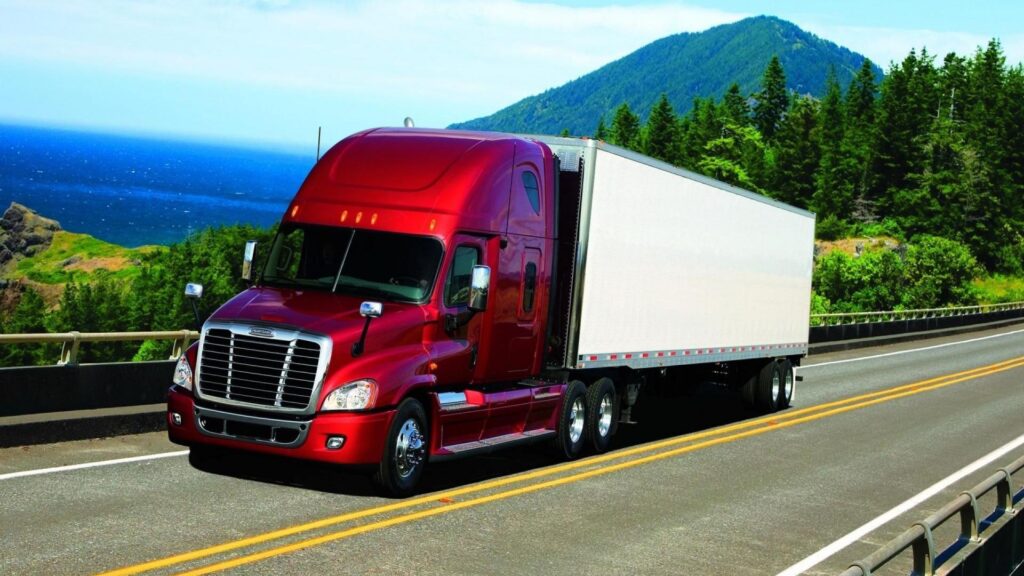
What It Means to Be a Dedicated Truck Driver

The world of trucking is a vast and dynamic industry, with countless roles that keep the wheels of commerce turning. Among these roles, dedicated truck drivers play a vital part in ensuring goods reach their destination efficiently and safely. In this blog, we’ll explore the life of a dedicated truck driver, shedding light on the responsibilities, challenges, and perks that come with this unique profession.

Understanding Dedicated Truck Driving

What is a dedicated truck driver?

Dedicated truck drivers are an important part of the backbone of the transportation industry. They are professionals responsible for transporting goods along specific routes for a single company or client. Unlike long-haul truckers who travel cross-country, dedicated drivers often operate within regional or local areas. They are the steady hands that keep supply chains running smoothly.

The role and responsibilities of dedicated drivers

Dedicated drivers are tasked with several responsibilities, including loading and unloading cargo, inspecting their vehicles, planning efficient routes, and ensuring timely deliveries. These drivers become intimately familiar with their routes, customers, and cargo, forming a crucial link in the chain that connects manufacturers to retailers and consumers.

Benefits and Challenges

The advantages of being a dedicated driver

  1. Job security and stability: One of the most appealing aspects of dedicated truck driving is the job security it offers. Companies rely on their dedicated drivers to maintain reliable routes, ensuring a steady flow of products. This stability often comes with better pay and benefits.
  2. Predictable schedules: Dedicated drivers often enjoy consistent schedules, allowing them to plan their lives more effectively. This predictability is especially appreciated by those looking to spend more time with family or pursue personal interests.
  3. Equipment and support: Dedicated drivers often work with well-maintained, top-of-the-line equipment. They also benefit from strong relationships with their clients, leading to better support, and resources to get the job done.

The challenges of the dedicated truck driving profession

  1. Monotony and routine: While predictability is a benefit, it can also become a drawback for some dedicated drivers. The daily grind of following the same routes and schedules can lead to monotony, making it essential to find ways to keep the job interesting.
  2. Handling customer-specific requirements: Each customer has unique needs and expectations. Dedicated drivers must be adept at adapting to these requirements, whether it’s ensuring timely deliveries to a just-in-time manufacturer or dealing with specific loading and unloading processes.
  3. Managing time away from home: Even with more predictable schedules, dedicated drivers often spend nights on the road, away from the comforts of home. Balancing work and personal life can be a challenge, and it’s essential to have a support system in place.

Life as a Dedicated Driver

Daily routines and schedules

The life of a dedicated driver typically revolves around strict routines. They often start their day early, perform pre-trip inspections on their trucks, and embark on their routes. During the day, they navigate traffic, meet delivery deadlines, and ensure the safe transportation of goods. Nights are spent in truck stops or rest areas, making the truck cabin their temporary home.

Experiences of dedicated drivers

How to thrive in the dedicated truck driving lifestyle: Thriving in this profession often requires a combination of dedication, adaptability, and a passion for the open road. Many dedicated drivers find ways to stay engaged by listening to audiobooks, podcasts, or learning new skills during their journeys.

Specialization and Industry Trends

Specialized dedicated truck driving roles

Dedicated drivers often have opportunities to specialize in certain types of cargo. Some may transport hazardous materials, while others become experts in handling temperature-sensitive freight like perishable goods. This specialization can lead to higher pay and increased demand for their expertise.

Emerging trends in the dedicated trucking industry

  1. Technology and automation: The trucking industry is experiencing a technological revolution, with automation and telematics systems becoming more prevalent. Dedicated drivers may need to adapt to these new tools, improving efficiency and safety.
  2. Sustainability and green logistics: As environmental concerns grow, companies are increasingly looking for ways to make their supply chains more eco-friendly. Dedicated drivers may find themselves transporting goods using electric or hybrid vehicles, contributing to a greener future.

Training and Qualifications

Requirements to become a dedicated driver

To embark on a career as a dedicated truck driver, you typically need a commercial driver’s license (CDL). The specific requirements may vary depending on your location, the type of cargo you plan to transport, and your employer’s preferences. Generally, you’ll need to meet age and health requirements and pass written and practical exams.

Recommended training and certifications

While a CDL is the foundation, additional training and certifications can make you a more competitive candidate and a safer driver. Consider obtaining endorsements for specialties like hazmat or tanker hauling. Defensive driving courses can also enhance your skills and safety on the road.

Career Opportunities and Advancement

Growth prospects for dedicated drivers

Dedicated drivers often enjoy solid job security, but there are opportunities for growth within this career. Experienced drivers may have the chance to move into supervisory roles or become driver trainers, sharing their knowledge with newcomers. They can also explore opportunities with different companies or industries.

Opportunities for career advancement

Career advancement for dedicated drivers can lead to becoming a dispatcher, fleet manager, or even an owner-operator with their trucking business. The skills and insights gained on the road can be invaluable for these roles.

Conclusion

In conclusion, the life of a dedicated truck driver is a unique journey filled with both challenges and rewards. While it may not be a path for everyone, those who embrace the dedicated trucking lifestyle find job security, adventure, and the opportunity to contribute to the backbone of the economy. If you have a passion for the open road and a commitment to safety and reliability, a career as a dedicated truck driver might be the perfect fit for you. Embrace the challenges and savor the experiences, for the road less traveled often leads to the most extraordinary destinations.

To learn more about Truck Driving options with a Certified Top-Pay Carrier, contact us at Barr-Nunn Transportation.

Drive for Barr-Nunn Transportation! Search Truck Driving Positions or Apply Now!

What You Need to Know About DOT Physicals for Truck Drivers

In the world of trucking, safety is paramount. Ensuring that commercial drivers are physically fit to operate large vehicles on our roads is a crucial part of that safety equation. This is where the DOT (Department of Transportation) physical comes into play. If you’re a truck driver or aspiring to be one, understanding what a DOT physical is, what it entails, the new requirements, where to get one, its cost, and its validity period is essential. This comprehensive guide will address these questions and provide valuable insights into this vital aspect of your trucking career.

What is a DOT Physical?

A DOT physical, officially known as a “Department of Transportation Physical Examination,” is a mandatory medical evaluation designed to assess a commercial driver’s physical and mental fitness to safely operate a commercial motor vehicle (CMV). It is a standardized assessment that helps ensure the safety of both the driver and other road users.

What Does a DOT Physical Consist Of?

A DOT physical is a comprehensive examination that includes various elements to assess a driver’s overall health and fitness for the job. The examination typically includes the following components:

  1. Medical History Review: The medical examiner will inquire about your medical history, including any chronic illnesses, previous surgeries, or medications you are currently taking.
  2. Vision Test: A vision test will assess your visual acuity and peripheral vision. Corrective lenses, if required, are permitted to meet the vision standards.
  3. Hearing Test: A hearing test is conducted to determine your ability to hear a forced whisper at a distance of five feet or more. Hearing aids may be used to meet the hearing standards.
  4. Blood Pressure Measurement: Your blood pressure will be checked to ensure it falls within acceptable ranges.
  5. Physical Examination: A thorough physical examination will be performed to assess your general health, including checks for cardiovascular, respiratory, and musculoskeletal issues.
  6. Urine Sample: A urinalysis is typically conducted to check for underlying medical conditions, including diabetes.
  7. Drug and Alcohol Testing: You will also be required to undergo drug and alcohol testing, as mandated by federal regulations.

What Are the New DOT Physical Requirements?

The requirements for a DOT physical have evolved over time, with an emphasis on ensuring the health and safety of commercial drivers. As of an update in September 2021, the requirements included the following key elements:

  1. Vision: Commercial drivers must have at least 20/40 vision in each eye with or without correction. They must also have a field of vision of at least 70 degrees in the horizontal meridian.
  2. Hearing: The driver must be able to hear a forced whisper at five feet or more, with or without a hearing aid.
  3. Blood Pressure: The acceptable blood pressure range is typically 140/90 or lower. If your blood pressure is higher, you may receive a temporary certification and be required to manage it.
  4. General Health: You must be in reasonably good health, with no disqualifying medical conditions.
  5. Medications: Some medications may disqualify you, especially if they could impair your ability to drive safely.

**Please note that regulations can change, and it’s essential to verify the current requirements with the DOT or a certified medical examiner.

Medical Conditions that Disqualify You from a CDL:

Certain medical conditions may disqualify you from obtaining or renewing a Commercial Driver’s License (CDL) or passing a DOT physical. These conditions often relate to physical and mental health. Disqualifying medical conditions may include:

  1. Epilepsy or Seizure Disorders: Unless they are well-controlled and have no seizures for a specified period.
  2. Insulin Use: Diabetics who require insulin for control may be disqualified unless they meet specific criteria.
  3. Vision Issues: Severe vision problems that cannot be corrected to meet DOT standards.
  4. Hearing Loss: Profound hearing loss or inability to hear a forced whisper even with a hearing aid.
  5. Cardiovascular Issues: Severe heart conditions, especially those that could lead to sudden incapacitation.
  6. Psychiatric Conditions: Certain mental health conditions that could impair your ability to drive safely.
  7. Substance Abuse: A history of substance abuse or failed drug and alcohol tests.

Where Can I Get a DOT Physical?

You can get a DOT physical from a licensed and certified medical examiner. These medical professionals are specifically trained to perform DOT physicals and are familiar with the requirements and standards set by the Federal Motor Carrier Safety Administration (FMCSA). You can find a list of certified medical examiners on the FMCSA’s National Registry of Certified Medical Examiners.

How Much is a DOT Physical?

The cost of a DOT physical can vary depending on the location and the medical examiner’s fees. On average, you can expect to pay between $80 to $120 for the examination. Keep in mind that this cost does not include any additional drug or alcohol testing that may be required.

How Long Does a DOT Physical Take?

A DOT physical typically takes about 30 minutes to an hour to complete. The actual time may vary depending on the medical examiner’s schedule and any specific health issues or concerns that need to be addressed during the examination.

How Long Is a DOT Physical Good For?

The validity of a DOT physical certificate varies depending on your health and medical history. In most cases, a DOT physical certificate is valid for 24 months. However, if you have a medical condition that requires monitoring, the certificate may be issued for a shorter duration, and you may need to undergo more frequent examinations. Additionally, if you have a medical condition that poses a greater risk, you might receive a temporary certification with specific requirements for maintaining your qualification.

In conclusion, understanding the intricacies of DOT physicals is crucial for every truck driver. It ensures not only your safety but the safety of everyone else on the road. Keep in mind that regulations can change, so it’s essential to stay updated with the latest requirements and consult a certified medical examiner when it’s time for your DOT physical. Ultimately, staying in good health and meeting the standards set by the DOT is a fundamental part of being a responsible and safe truck driver.

To learn more about Truck Driving options with a Certified Top-Pay Carrier, contact us at Barr-Nunn Transportation.

Drive for Barr-Nunn Transportation! Search Truck Driving Positions or Apply Now!
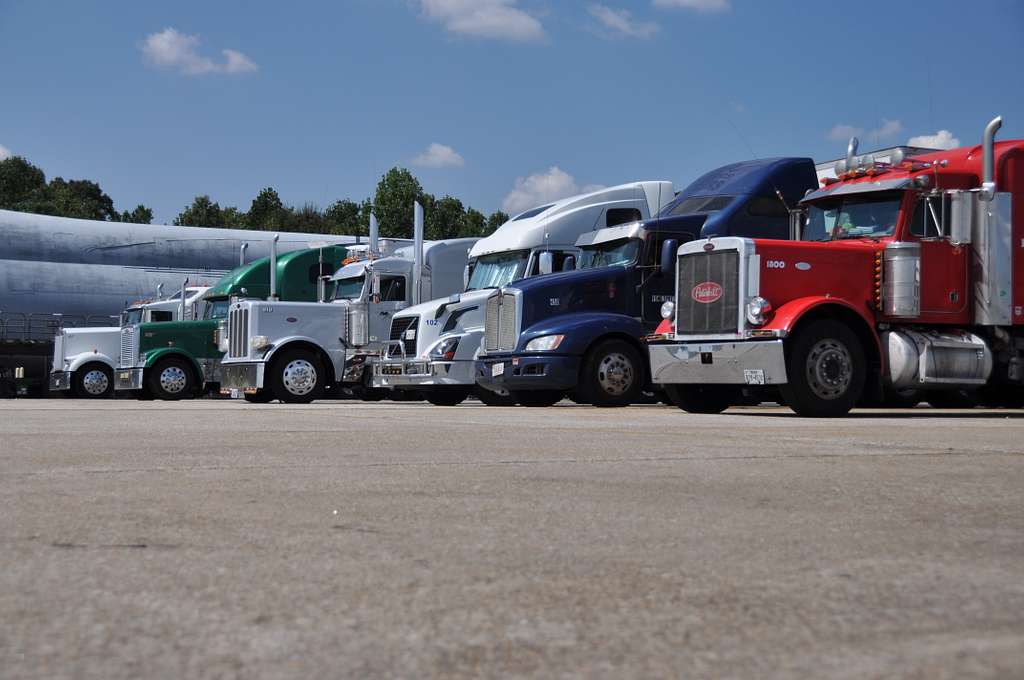
How Truckers Can Build Connections in the Trucking Community

Are you a new commercial truck driver looking to build lasting connections within the trucking community? You’re in the right place! In this article, we’ll explore effective strategies and tips to help you connect with fellow truckers, share experiences, and become an integral part of the trucking community. Whether you’re a seasoned driver or just starting your trucking journey, building these connections can enhance your career and make life on the road more enjoyable.

Understanding the Trucking Community

To build connections within the trucking community, you must first understand what it represents. The trucking community is a diverse group of individuals with a shared passion for truck driving. It includes drivers of all experience levels, from rookies to seasoned veterans. Recognizing this diversity will help you relate to and connect with a wide range of people.

Engaging in Online Forums

Online forums dedicated to trucking are a treasure trove of information and an excellent platform for building connections. Websites like TruckersReport, Trucking Truth, and Team Run Smart offer a space for drivers to discuss industry trends, share experiences, and seek advice. Join these forums, participate in discussions, and contribute your insights to become a recognized member of the online trucking community.

Attending Trucking Events

Trucking events, such as truck shows and expos, are ideal places to meet fellow truckers face-to-face. These gatherings provide opportunities to network, exchange stories, and forge valuable connections. Keep an eye out for trucking events happening in your area and make an effort to attend them whenever possible.

You can find trucking events in your area by checking online event listings, following industry news, or joining local trucking forums where members often share event information.

Joining Social Media Groups

Social media has revolutionized the way we connect with others. Joining trucking-related groups on platforms like Facebook and LinkedIn can help you expand your network. Share your experiences, engage in conversations, and connect with fellow truckers who share your interests.

Participating in Convoy Drives

Convoy drives are not only a fun way to spend your time on the road but also an excellent opportunity to build connections. Join local convoy drives or charity events, and you’ll find yourself surrounded by like-minded individuals who are passionate about trucking just like you.

During a convoy drive, if you encounter difficulties, don’t hesitate to ask for help from fellow participants. Truckers are known for their willingness to assist each other in challenging situations.

Sharing Your Experiences

Every trucker has unique experiences to share, whether it’s an interesting route, a challenging delivery, or a valuable lesson learned on the road. Sharing your experiences through blogs, vlogs, or social media can help you connect with other truckers who can relate to your journey.

Being a Reliable Resource

Building connections often involves being a source of help and information for others. When you offer assistance or guidance to fellow truckers in need, you establish yourself as a reliable resource in the community. This can lead to lasting connections and a sense of fulfillment in helping others.

Helping Fellow Truckers

Whether it’s lending a hand with a mechanical issue or offering a listening ear during a tough time, helping your fellow truckers can create strong bonds within the community. Acts of kindness and support go a long way in building trust and connections.

Contributing to Industry Publications

Consider writing articles or sharing your expertise in industry publications. This not only showcases your knowledge but also positions you as an authority in the trucking field. Your contributions will be appreciated by fellow truckers seeking valuable insights.

To start contributing to industry publications, reach out to the editors and express your interest. Prepare a sample article or blog post showcasing your expertise to demonstrate your writing skills.

Staying Informed and Adapting

The trucking industry is constantly evolving. Stay informed about industry trends, regulations, and technological advancements. Being adaptable and open to change will make you more relevant and valuable to the trucking community.

Balancing Connection Building with Your Work Schedule

Balancing work and community involvement can be challenging. Try to allocate some time each week for community-building activities, whether it’s online discussions, attending events, or simply connecting on social media during breaks.

Conclusion

Building connections within the trucking community is not only beneficial for your career but also enriching for your personal life. By engaging with fellow truckers, sharing experiences, and contributing to the community, you can become an integral part of this passionate and supportive network.

By following these tips and actively participating in the trucking community, you’ll find yourself surrounded by supportive peers who share your passion for truck driving. These connections will not only make your trucking journey more enjoyable but also open doors to new opportunities in your career.

To learn more about Truck Driving options with a Certified Top-Pay Carrier, contact us at Barr-Nunn Transportation.

Drive for Barr-Nunn Transportation! Search Truck Driving Positions or Apply Now!