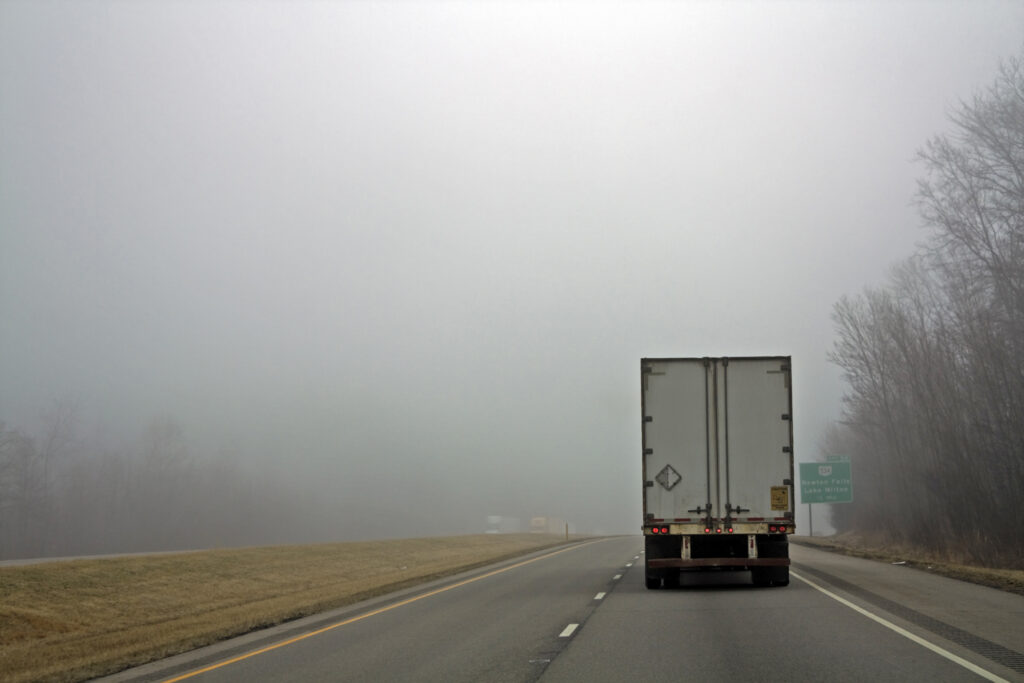
Truck driving is a demanding profession that comes with its own set of risks and challenges. As a result, many trucking companies have implemented safety bonuses to encourage their drivers to adopt safer driving habits and practices. These bonuses are typically awarded to drivers who meet certain safety standards, such as avoiding accidents, adhering to speed limits, and maintaining their vehicles in good condition. In this article, we will discuss truck driving safety bonuses, and provide tips for how drivers can earn their bonuses.
Tips for How Drivers Can Earn Their Safety Bonuses
Maintain a Clean Driving Record
One of the most effective ways for truck drivers to earn a safety bonus is to maintain a clean driving record. This means avoiding accidents, traffic violations, and other infractions that could negatively impact their driving record. Drivers who have a history of safe driving are more likely to be eligible for safety bonuses, as they demonstrate a commitment to safe and responsible driving practices.
Adhering to Traffic Laws
Another important factor in earning a safety bonus is adhering to speed limits and other traffic laws. Speeding is a leading cause of accidents and can result in serious injuries or fatalities. By driving within the posted speed limits and obeying other traffic laws, truck drivers can reduce the likelihood of accidents and improve their chances of earning a safety bonus.
Maintain Your Truck
Maintaining a well-maintained vehicle is also critical to earning a safety bonus. This includes performing regular maintenance checks, such as checking tire pressure, oil levels, and brakes. Drivers should also inspect their vehicles before every trip to ensure that all systems are functioning properly. By keeping their vehicles in top condition, drivers can reduce the risk of accidents and demonstrate their commitment to safety.
Additional Training or Certifications
Truck drivers can also earn safety bonuses by completing additional training or certification programs. Many companies offer training programs that focus on topics such as defensive driving, hazard awareness, and safe handling of hazardous materials. By completing these programs, drivers can improve their knowledge and skills, which can translate into safer driving practices on the road.
Be Proactive About Safety
Another important factor in earning a safety bonus is being proactive about safety. This means reporting any potential safety hazards or concerns to their employer, such as unsafe working conditions, faulty equipment, or other issues that could impact their safety on the road. By reporting these concerns, drivers can help their employer identify and address potential safety issues before they become major problems.
Communicate Safety Concerns
Finally, it is important for truck drivers to communicate effectively with their employer about safety concerns and issues. This includes reporting any accidents or incidents that occur on the road, as well as providing feedback about safety procedures and policies. By working closely with their employer, drivers can help to ensure that safety is a top priority and that they are rewarded for their commitment to safe and responsible driving practices.
Barr-Nunn’s Safety Bonus Program
In order for drivers to earn their safety bonuses, they must pass the following eligibility rules:
CSA BONUS ELIGIBILITY RULES
- No preventable accidents
- No CSA driver-related violations as identified in the CSA Driver Safety Measurement System
- Must immediately report any violation or accidents to the safety department
- Bonus = $700 – $1025 plus 1 day of PTO earned every 90 days
ON-ROAD SAFETY BONUS ELIGIBILITY RULES
- No preventable on-road accidents
- Must immediately report any on-road accident to the safety department
- Bonus = $600 earned every 90 days
Truck driving safety bonuses are an important tool for encouraging safe and responsible driving practices. By maintaining a clean driving record, adhering to speed limits and traffic laws, maintaining a well-maintained vehicle, completing additional training, being proactive about safety, and communicating effectively with their employer, drivers can improve their chances of earning a safety bonus. Ultimately, by prioritizing safety on the road, Barr-Nunn truck drivers can help to reduce the risk of accidents and ensure a safer and more efficient transportation industry for all.
Drivers Also Ask
What is a truck driving safety bonus?
A truck driving safety bonus is an incentive provided by trucking companies to reward drivers for maintaining safe driving practices. Drivers typically receive these bonuses when they meet specific safety criteria, such as avoiding accidents, obeying traffic laws, and keeping their vehicles well-maintained. The goal is to promote safer driving habits and reduce the risk of accidents.
How can truck drivers qualify for a safety bonus?
Truck drivers can qualify for a safety bonus by following several key practices, including maintaining a clean driving record, adhering to traffic laws, performing regular vehicle maintenance, and completing additional safety training or certifications. Some companies also require drivers to report safety concerns or accidents promptly to be eligible.
Do all trucking companies offer safety bonuses?
Not all trucking companies offer safety bonuses, but many companies provide this incentive to encourage safe driving. Each company has its own set of eligibility requirements and the amount of the bonus may vary. It’s important for drivers to review their company’s specific safety bonus program and its qualifications.
Can safety bonuses impact a driver’s overall pay?
Yes, safety bonuses can significantly impact a driver’s overall pay. Many companies offer substantial bonuses—ranging from a few hundred to over a thousand dollars—on a quarterly or annual basis. These bonuses can boost a driver’s earnings while also motivating them to prioritize safety on the road.
What happens if a truck driver has an accident? Can they still receive a safety bonus?
Typically, if a truck driver is involved in a preventable accident, they may no longer be eligible for a safety bonus. Preventable accidents or safety violations often disqualify drivers from earning the bonus, as companies design these programs to reward consistent and responsible safety practices.
Are additional training and certifications required to earn a truck driving safety bonus?
Additional training and certifications aren’t always required to earn a safety bonus, but they can improve a driver’s chances of qualifying. Many trucking companies offer optional safety courses, defensive driving programs, or hazardous material handling certifications that help drivers enhance their skills and demonstrate their commitment to safety.
To learn more about Truck Driving options with a Certified Top-Pay Carrier, contact us at Barr-Nunn Transportation.
Drive for Barr-Nunn Transportation! Search Truck Driving Positions or Apply Now!