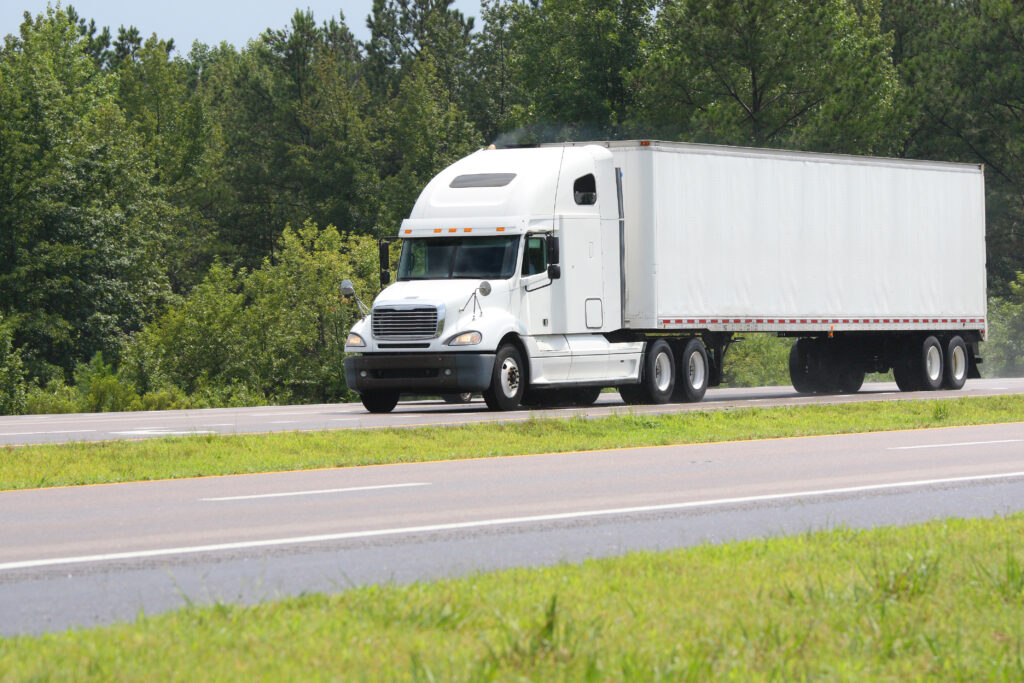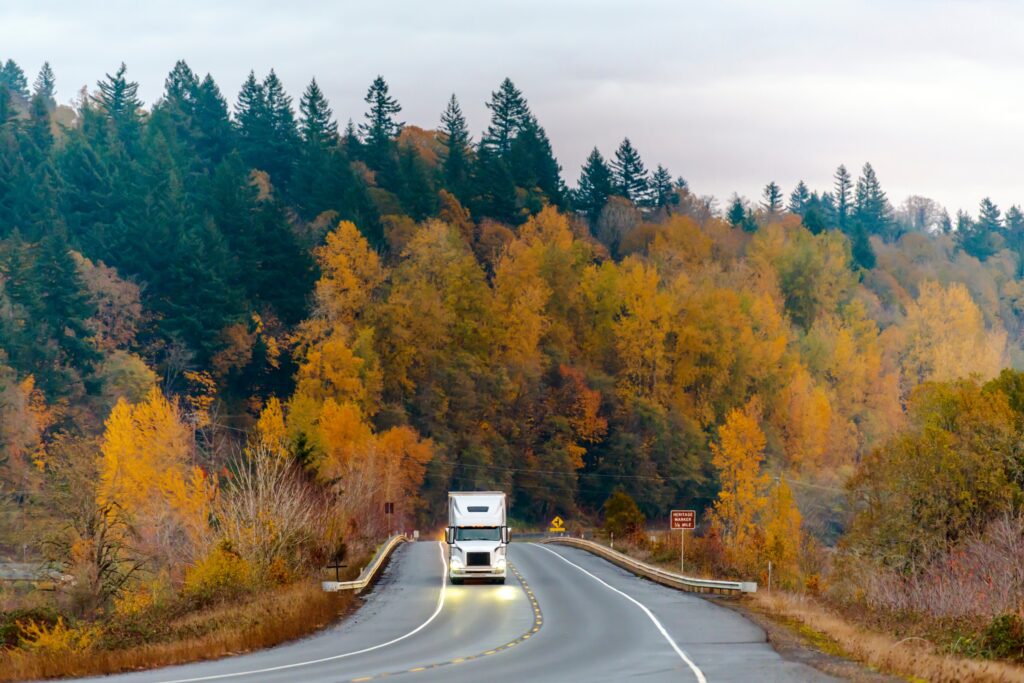
Congratulations on earning your CDL and embarking on a rewarding career in trucking! Here at Barr-Nunn Transportation, we’re dedicated to your success on the road. As you navigate the exciting world of trucking opportunities, one of the first crucial decisions you’ll face is choosing between Northeast Regional and Over-the-Road (OTR) trucking. Both offer unique advantages and understanding these differences will help you select the path that best aligns with your goals and lifestyle.
Understanding Northeast Regional Trucking
Northeast Regional trucking focuses on transporting goods within a designated region, typically encompassing several states in the Northeast corridor. This radius can vary depending on the company, but it often falls within a 650-mile range. Regional drivers haul a variety of cargo, playing a vital role in keeping the Northeast economy moving.
Benefits of Northeast Regional Trucking:
- More Time at Home: One of the biggest perks of regional trucking is the increased home time. You’ll likely be home weekly or at least most weekends, allowing you to maintain a strong work-life balance. This is ideal for those who value spending time with family and friends or participating in local activities.
- Familiar Routes: Regional drivers often operate on repetitive routes, giving you the chance to become an expert on the region’s roads and traffic patterns. This familiarity translates to smoother journeys, allowing you to navigate efficiently and anticipate potential delays.
- Work-Life Balance: With regular home time, regional trucking allows you to establish a more balanced lifestyle. You can schedule appointments, participate in hobbies, or simply unwind without worrying about being constantly on the road.
Challenges of Northeast Regional Trucking
- Traffic congestion: The Northeast is one of the most densely populated regions in the US, leading to heavy traffic congestion, especially around major cities and during peak hours. This can significantly slow down deliveries and increase driver stress.
- Narrow roads and tight spaces: Many roads and infrastructure in the Northeast predate the era of large commercial trucks. This means narrow roads, tight turns, and low clearances on bridges can be a constant challenge for truck drivers. Navigating city streets and older industrial areas often requires extra caution and maneuvering skills.
- Harsh weather conditions: The Northeast experiences all four seasons, and the winters can be particularly brutal. Snow, ice, and freezing temperatures can create hazardous driving conditions, requiring extra caution and potentially causing delays due to road closures or accidents.
- Limited parking: Finding parking for large trucks, especially in urban areas, can be a major challenge. Truck stops can fill up quickly, and on-street parking is often restricted. This can make it difficult for drivers to take breaks or find rest when needed.
- Tolls: The Northeast has a complex network of toll roads and bridges, which can significantly increase transportation costs for trucking companies and drivers who pay tolls themselves.
- Aggressive driving: Traffic congestion and a fast-paced lifestyle can contribute to aggressive driving behavior in the Northeast. Truck drivers need to be extra aware of their surroundings and defensive in their driving to avoid accidents.
- Off-loading challenges: Some delivery sites in the Northeast, particularly in older urban areas, may not have adequate space or infrastructure for large trucks to maneuver easily during loading or unloading.
- Local regulations: Cities and states in the Northeast may have specific regulations for truck traffic, such as weight restrictions, curfews on deliveries, or designated truck routes.
While these challenges exist, trucking in the Northeast also offers competitive pay and a strong demand for skilled drivers. New England has a vibrant economy with a high volume of goods being transported in and out of the region. For drivers who can navigate the challenges, it can be a rewarding career path.
Understanding Over-the-Road (OTR) Trucking
OTR trucking involves hauling freight across the country, offering the opportunity to explore diverse landscapes and experience different cultures. OTR drivers typically cover longer distances, often exceeding 2,000 miles per trip.
At Barr-Nunn, our OTR drivers primarily focus on the Eastern and Midwest United States with routes typically reaching no further west than Omaha or Kansas City. The vast majority of our loads stay well below 1,500 miles, with an emphasis on regional hauling. In fact, only 1.5% of our loads even reach the 1,000 to 1,500-mile range.
Benefits of OTR Trucking:
- Higher Earning Potential: Due to the extended travel distances, OTR drivers generally have a higher earning potential compared to their regional counterparts. This can be a deciding factor for those prioritizing maximizing their income.
- Seeing the Country: OTR trucking offers the unique advantage of exploring various parts of the United States. You’ll traverse scenic highways, discover hidden gems in different towns, and gain firsthand experience of the nation’s diverse geography.
- Diverse Experiences: As an OTR driver, you’ll encounter a wider range of road conditions, weather patterns, and cultural environments. This can be a rewarding experience for those who thrive on variety and enjoy adapting to new challenges.
Comparing Northeast Regional vs. OTR Trucking
Here’s a table summarizing the key factors to consider when choosing between Northeast Regional and OTR trucking:
| Factor | Northeast Regional Truck Driving | Over-the-Road (OTR) Truck Driving |
|---|---|---|
| Typical Home Time | Weekly or most weekends | Can be weeks or months between home visits |
| Pay Potential | Lower than OTR | Generally higher than Regional |
| Work-Life Balance | More balanced with regular home time | Limited work-life balance due to extended time away |
| Variety in Scenery/Experiences | Limited to the Northeast region | Opportunity to explore various parts of the US |
Choosing the Right Path for You
The decision between Northeast Regional and OTR trucking ultimately boils down to your personal priorities. Consider the following factors when making your choice:
- Family Time vs. Income Potential: Do you value spending time with loved ones or prioritize maximizing your earnings? Regional trucking provides a better work-life balance, while OTR offers a higher earning potential.
- Lifestyle Preferences: Are you drawn to routine and familiarity, or do you crave adventure and new experiences? Regional trucking allows you to become an expert on your designated routes, while OTR trucking provides constant change and exploration.
- Comfort with Long Stretches on the Road: Can you handle extended periods away from home and the solitude of long-distance travel? OTR trucking demands a high degree of self-reliance and comfort with being on the road for extended periods.
Making an Informed Decision
Choosing between Northeast Regional and OTR trucking is a significant decision. Here are some additional resources to help you gather further information:
- The American Trucking Associations (ATA) offers a wealth of resources for new truck drivers, including information on different trucking sectors and career paths.
- The Bureau of Labor Statistics (BLS) provides detailed occupational information for truck drivers, including salary data and job outlook for regional and long-distance truck driving.
- Visit our main Barr-Nunn Transportation Career page for more information on our company culture, driver benefits, and the types of trucking opportunities we offer, including both regional and potential OTR positions (link to your careers page).
We’re Here to Help!
At Barr-Nunn Transportation, we understand that choosing the right path in trucking is crucial. We’re committed to supporting new drivers in the Northeast and helping them find success in their careers. Regardless of whether you choose regional or OTR trucking, we encourage you to contact us to discuss your goals and explore potential opportunities at our company. We offer competitive benefits, a supportive work environment, and a dedication to driver safety and well-being.
Take the wheel of your future, and let Barr-Nunn Transportation be your partner on the road!