Is Team Truck Driving Worth It? Pros, Cons, and Real Driver Insights

Is team truck driving worth it? It’s one of the most common questions drivers ask when looking to increase pay, maximize miles, or improve efficiency on the road.

The short answer: it depends on your goals, your personality, and who you’re driving with.

To give you a clearer picture, we’re going beyond general advice and incorporating real feedback from Barr-Nunn team drivers so you can see what the experience is actually like from people doing the job every day.

What Is Team Truck Driving?

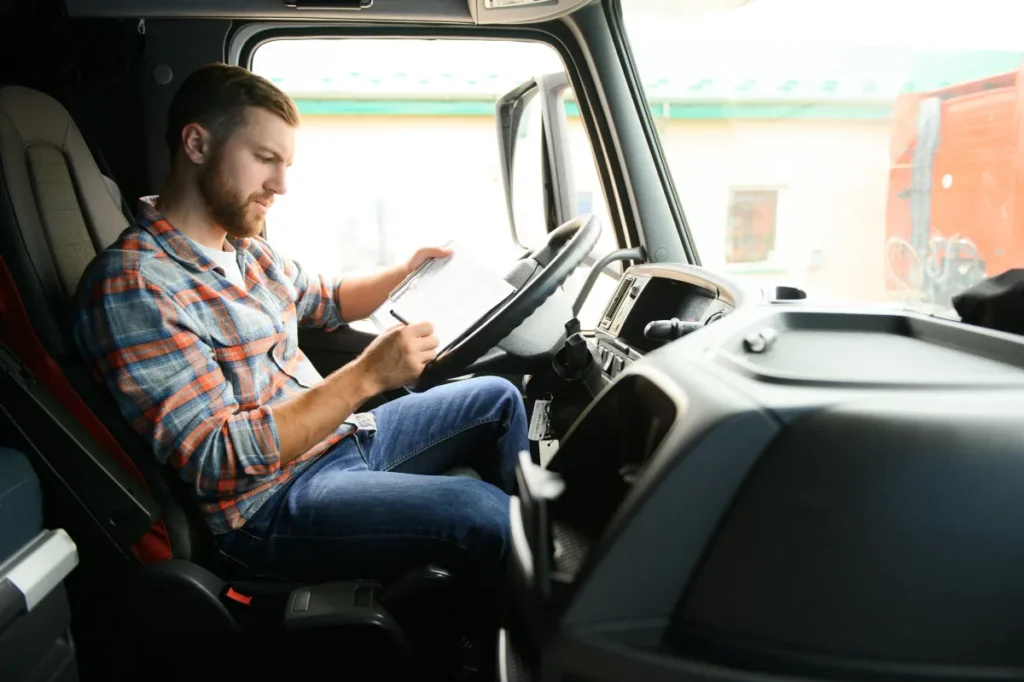
Team truck driving is when two drivers share one truck and take turns driving, allowing the truck to stay moving nearly 24/7.

While one driver is behind the wheel, the other rests. This setup is designed to:

  • Cover more miles in less time
  • Increase earning potential
  • Improve delivery speed

If you’re new to trucking or exploring different job types, you can learn more about available opportunities on the Barr-Nunn driving jobs page.

What Barr-Nunn Drivers Say About Team Driving

To better understand the real experience, Barr-Nunn surveyed team drivers about their day-to-day work, preferences, and challenges.

Here’s a breakdown of what they shared:

Team Driving Survey Results from Barr-Nunn Drivers

Survey QuestionDriver Responses
Why did you decide to become a team truck driver?• Higher income and financial stability
• Driving with a spouse or partner
• Opportunity to earn more together
• Desire to travel more
• Preference for working as a team
What is your favorite aspect of being a team driver?• Increased earning potential
• Supporting family financially
• Driving with a spouse or partner
• Companionship on the road
• Working toward shared goals
What do you like about Barr-Nunn compared to other trucking companies?• Strong and consistent pay
• Reliable home time
• Supportive communication
• Friendly, helpful staff
• Well-maintained equipment
• Company follows through on promises
What tips would you give to new team drivers?• Communicate clearly and often
• Be respectful and professional
• Support your partner, don’t criticize
• Work as a team, not individuals
• Stay consistent and reliable

One thing becomes clear from these responses: while pay is a major driver, the partnership itself plays an equally important role in the experience.

The Biggest Advantage: More Miles, More Pay

One of the biggest reasons drivers consider team driving is simple, earning potential.

Because the truck is moving almost constantly, team drivers can:

  • Log significantly more miles per week
  • Complete longer hauls faster
  • Access higher-paying loads

For drivers focused on maximizing income, this is often the biggest deciding factor.

Barr-Nunn is recognized as a Top Pay Certified Carrier, and you can explore how pay and benefits compare on the Barr-Nunn pay and benefits page.

Team Driving vs Solo Driving: Key Differences

When comparing team driving vs solo driving, the differences come down to lifestyle and priorities.

Team driving is ideal if you:

  • Want to maximize earnings
  • Don’t mind sharing space
  • Are comfortable working closely with a partner

Solo driving may be a better fit if you:

  • Value independence
  • Prefer full control over your schedule
  • Enjoy time alone on the road

The Importance of the Right Driving Partner

Ask any experienced team driver and reinforced by Barr-Nunn’s survey—your partner can make or break the experience.

Successful teams often share:

  • Similar driving styles
  • Compatible sleep schedules
  • Clear communication

Many drivers choose to team up with someone they already know, such as a spouse or friend, which can make a significant difference in long-term success.

Common Challenges of Team Truck Driving

Even for drivers who enjoy the setup, there are challenges to consider.

Some of the most common include:

  • Limited personal space
  • Sleeping while the truck is moving
  • Adjusting to another driver’s habits
  • Less time alone

The survey responses confirmed that while these challenges exist, drivers who prioritize communication and teamwork are more likely to succeed.

Benefits of Team Truck Driving Beyond Pay

While pay is a major factor, it’s not the only benefit.

Drivers also highlighted:

  • Less downtime between loads
  • Faster trip completion
  • Built-in support on the road
  • Shared responsibilities

For many, the combination of efficiency and partnership creates a more productive experience overall.

So, Is Team Truck Driving Worth It?

Based on both industry insights and feedback from Barr-Nunn drivers, the answer is:

Yes, for the right type of driver.

Team truck driving is worth it if:

  • Your primary goal is higher earnings
  • You’re comfortable sharing space
  • You have a reliable, compatible partner

It may not be the best fit if:

  • You strongly value independence
  • You prefer full control over your schedule

Frequently Asked Questions About Team Truck Driving

Is team truck driving worth it?

Team truck driving is worth it for drivers who want to maximize earnings and miles. By keeping the truck moving almost continuously, team drivers can earn more than solo drivers, but it requires sharing space and working closely with a partner.

Do team truck drivers make more money?

Yes, team truck drivers typically make more money because they can cover more miles in less time. This allows them to take on longer hauls and maintain more consistent weekly pay.

What are the pros and cons of team truck driving?

The main pros include higher earning potential, increased efficiency, and shared responsibilities. The main cons include limited personal space, sleep disruptions, and the need to coordinate closely with another driver.

Is team driving better than solo driving?

Team driving is better for drivers focused on maximizing income and efficiency, while solo driving is better for those who value independence and control over their schedule.

Can you choose your team driving partner?

In many cases, yes. Many drivers choose to team up with a spouse, friend, or someone they are compatible with, which can significantly improve the experience.

Team Driving Final Thoughts

Team truck driving offers a unique opportunity to increase income and efficiency—but it requires the right mindset and the right partner.

What makes this clear is hearing directly from drivers themselves.

The takeaway from Barr-Nunn’s survey is simple:

  • The earning potential is real
  • The lifestyle requires adjustment
  • The partnership determines success

If your goals align with what team driving offers, it can be one of the most rewarding paths in trucking.

If you’re ready to take the next step, explore current opportunities on the Barr-Nunn Team Drivers Job page and see if team driving is the right fit for you.

Top 5 In-Cab Kitchen Essentials for Truck Drivers | Stay Healthy on the Road

Life on the road makes healthy eating tough, but not impossible.

If you’re a truck driver trying to avoid fast food and stay energized, building a simple in-cab kitchen can make a big difference. With the right setup, you can eat better, save money, and feel more focused behind the wheel. And for the record, Barr-Nun trucks come equipped with Refrigerator, Microwave, and an inverter to run other small appliances.

What Are the Best In-Cab Kitchen Essentials for Truck Drivers?

If you’re wondering what tools actually make a difference on the road, the answer is simpler than you might think.

The best in-cab kitchen essentials for truck drivers are:

  1. Portable fridge or cooler
  2. 12V microwave or portable stove
  3. Meal prep containers
  4. Blender bottle or portable blender
  5. Basic utensils and cleaning supplies

These tools help drivers store fresh food, prepare meals, and maintain a healthier diet without adding unnecessary complexity to life on the road.

1. Portable Fridge or Cooler for Fresh Food

Having access to fresh food while driving long distances starts with proper storage.

A portable truck fridge, or cooler, allows you to bring real food with you instead of relying on whatever is available at the nearest truck stop.

Why it matters:

  • Keeps healthy food available during long hauls
  • Reduces reliance on fast food
  • Supports better long-term health

What to keep stocked:

  • Fresh fruit and vegetables
  • Greek yogurt
  • Lean protein (chicken, turkey)
  • Water and low-sugar drinks

When healthy food is within reach, making better choices becomes a whole lot easier.

2. 12V Microwave or Portable Stove for Easy Meals

Eating healthy isn’t just about what you bring. It is also about how you prepare it.

A 12V microwave for semi trucks or portable stove gives you the ability to heat meals whenever it fits your schedule, instead of settling for convenience food.

Why it matters:

  • Heats meals quickly during tight schedules
  • Helps avoid high-sodium, processed foods
  • Makes meal prep practical

Quick meal ideas:

  • Chicken, rice, and veggies
  • Oatmeal for breakfast
  • Pasta or stir fry
  • Pre-made meals from home

A hot meal can make a long day on the road feel a little more like home.

3. Meal Prep Containers for Organized Eating

Staying consistent with healthy eating comes down to preparation.

Using meal prep containers in your truck helps you plan ahead so you’re not making decisions based on convenience when you’re hungry.

Benefits:

  • Saves time during busy routes
  • Encourages portion control
  • Keeps cab clean and organized

Pro tip:

Choose stackable, leak-proof containers to maximize space and prevent spills.

When your meals are ready ahead of time, it removes the guesswork and the temptation.

4. Blender Bottle or Portable Blender for Energy

What you drink throughout the day plays a major role in how you feel behind the wheel.

A portable blender for truck drivers or blender bottle gives you a simple way to avoid sugary drinks and maintain steady energy levels.

Better alternatives:

  • Protein shakes
  • Meal replacement shakes
  • Smoothies with fruit and greens

Why it matters:

  • Supports steady energy levels
  • Reduces sugar intake
  • Helps improve focus

It is a small change that can help you avoid the highs and lows that come with energy drinks.

5. Basic Utensils and Cleaning Supplies

Even the best setup will not work if you do not have the tools to use it.

Keeping a few essential utensils and cleaning supplies in your cab makes it easier to prepare meals and maintain a clean, comfortable space.

Must-have items:

  • Fork, knife, spoon
  • Small cutting board
  • Can opener
  • Paper towels and wipes
  • Dish soap and small cleaning bin

Why it matters:

  • Keeps your truck clean and organized
  • Makes food prep easier
  • Supports consistent healthy habits

A clean space helps reinforce routines that stick over time.

Why Healthy Eating Matters for Truck Drivers

Healthy eating on the road is not just about nutrition. It directly impacts your daily performance and long-term well-being.

Drivers who prioritize better eating habits often notice improvements in both how they feel and how they drive.

  • More consistent energy
  • Better focus and alertness
  • Improved overall well-being
  • Fewer energy crashes during long drives

Over time, these small improvements can add up in a big way.

Final Thoughts: Build a Better Routine on the Road

Creating healthier habits on the road does not require a complete lifestyle overhaul. It starts with a few intentional upgrades.

With these in-cab kitchen essentials for truck drivers, you can take more control over your meals, improve your energy, and make life on the road more sustainable.

Because when you feel better, every mile gets a little easier.

Why “No-Touch Freight” is a Game Changer for a Long-Term Trucking Career

For many truck drivers, the best part of the day is driving a truck — not moving freight. If you’re considering a career in truck driving but don’t want to be responsible for moving cargo, you may be interested in opportunities involving no-touch freight, meaning drivers don’t load or unload cargo themselves. This type of work has been around for years, but no-touch freight is gaining more attention every day.

Knowing what no-touch freight is and about the advantages of no-touch freight jobs can help you decide if this type of work is right for you.

What Is No-Touch Freight?

What does “no-touch freight” mean? It’s freight that is not moved by the truck driver. No-touch freight opportunities allow the driver to focus on driving only. In these cases, load handling is done by cargo movers and experts.

How does this compare to touch freight jobs? Traditional touch freight jobs require drivers to manually handle cargo, often moving it off the truck and onto the cargo bay or loading dock, or elsewhere.

How No-Touch Freight Works

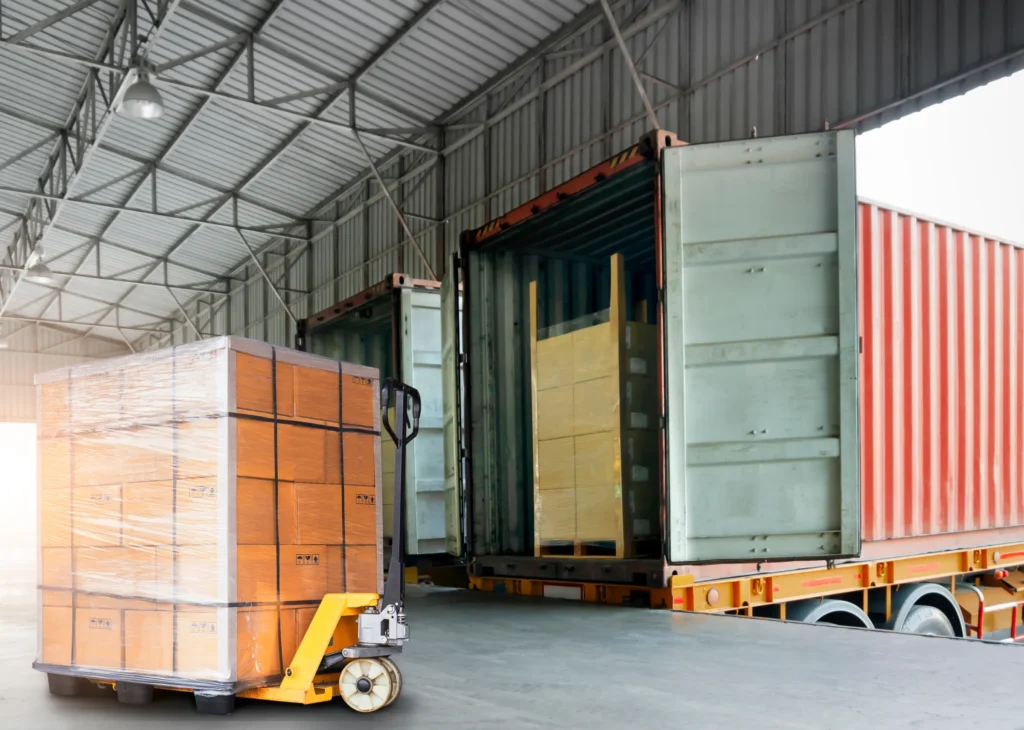
There are different ways that no-touch freight works, but for many drivers, the truck pulls into a loading dock, where it sits until warehouse personnel or dedicated handlers unload the cargo. During this time, the driver may stay in their truck and relax or take care of other tasks.

What Is Drop-and-Hook Freight?

Drop-and-hook freight is a type of no-touch freight. In these loads, the driver drops off their trailer at the customer’s location, hooks up to another trailer, and then leaves. The driver never handles the freight. For many drivers who like no-touch freight, drop-and-hook is the best option. It’s highly efficient because the driver is not required to wait for the trailer to be unloaded or reloaded.

What Type of Cargo is No-Touch?

Not all types of freight are suitable for no-touch work. Some examples of the types of freight that are more likely to be no-touch include hazardous materials and refrigerated freight. This type of freight requires the driver to have special training, but they may not be handling the freight directly.

By contrast, touch freight may involve hauling cargo like furniture, building supplies, and other materials that the driver may be required to move around, even if they aren’t required to load and unload.

Benefits of No-Touch Freight for Truck Drivers

There are many reasons that drivers seek trucking companies with no-touch freight. Below are some of the advantages to consider as you try to decide if this sort of work is right for you.

1. Reduced Risk of Injury

No-touch freight requires no heavy lifting, moving, pushing, or pulling. This means that drivers are at reduced risk of injury. No-touch freight leaves the moving to the cargo experts who should be fully trained to move freight without injury.

2. Improved Safety and Reduced Liability

Drivers are less likely to have accidents on the loading dock if they’re not moving freight around. This improved safety can mean a better quality of life for drivers.

3. More Time for Rest

Drivers who move no-touch freight have more opportunities to rest, sleep, eat, or engage in personal tasks while the trailer or cargo is being unloaded. For many drivers, this becomes the time to prioritize self-care.

4. Career Longevity

Some drivers retire when their bodies start to wear out. No-touch freight means less physical wear-and-tear and more years on the road. If career longevity is important to you, then no-touch freight may be the best option.

5. Potential For Improved Job Satisfaction

If you love driving but don’t like moving freight, then a no-touch freight opportunity may be your best chance for a job you love.

Challenges and Considerations of No-Touch Freight

While there are many advantages of no-touch freight, there are some challenges to be aware of. Here are some examples:

  • Waiting can reduce productivity: Sometimes, loading docks have long wait times, impacting driver productivity.
  • Some no-touch jobs do involve minimal freight moving: If it’s important to you to have a fully no-touch route, check the job description and make your needs clear when speaking to recruiters or employers.
  • Some drivers like the activity: If you prefer moving around, then a no-touch driving opportunity may feel boring and unsatisfying.

No-Touch Freight FAQ

Is no-touch freight good for new drivers?
Yes, no-touch freight is good for new drivers. This type of freight allows new drivers to focus on honing their driving skills while avoiding potential injuries on the job. It’s always good when a driver is able to build their experience without concerns about heavy physical demands.

How can I tell if a job is 100% no-touch freight?
The best way to ensure that your job is 100% no-touch is to take a position that is drop-and-hook. If the job you’re considering is supposed to be dedicated run no-touch freight, ask questions to learn more about the position. Some questions to ask include:

  • Are loads live or drop-and-hook?
  • Are there exceptions to the no-touch freight?

If the position involves some driver assist, keep considering other opportunities.

Is no-touch freight better for long-term careers?
No-touch freight opportunities can contribute to driver longevity, leading to less wear and tear on the body and longer careers overall. For some drivers, having a no-touch freight opportunity means less burnout.

Interested in No-Touch Freight Opportunities?

If it’s important to you to find dedicated run no-touch freight opportunities, start by searching with a trucking company you can trust. The team at Barr-Nunn Transportation helps new drivers find opportunities for no-touch freight, drop-and-hook, and more. We are proud to offer 100% no-touch freight driver jobs, ensuring you can focus on the road without the physical burden of loading or unloading. This commitment to driver comfort and efficiency makes our roles ideal for those seeking a more streamlined professional driving experience. To get started, contact us to learn more about jobs for truck drivers with Barr-Nunn Transportation.

Guide to Truck Stop Etiquette

They don’t really teach you truck stop etiquette at truck driving school. Most drivers learn from other drivers. Practicing it aids in maintaining a safe, respectful environment for drivers and truck stop employees.

Plus, it’s just the right thing to do.

Truck Stop Parking Lot Tips

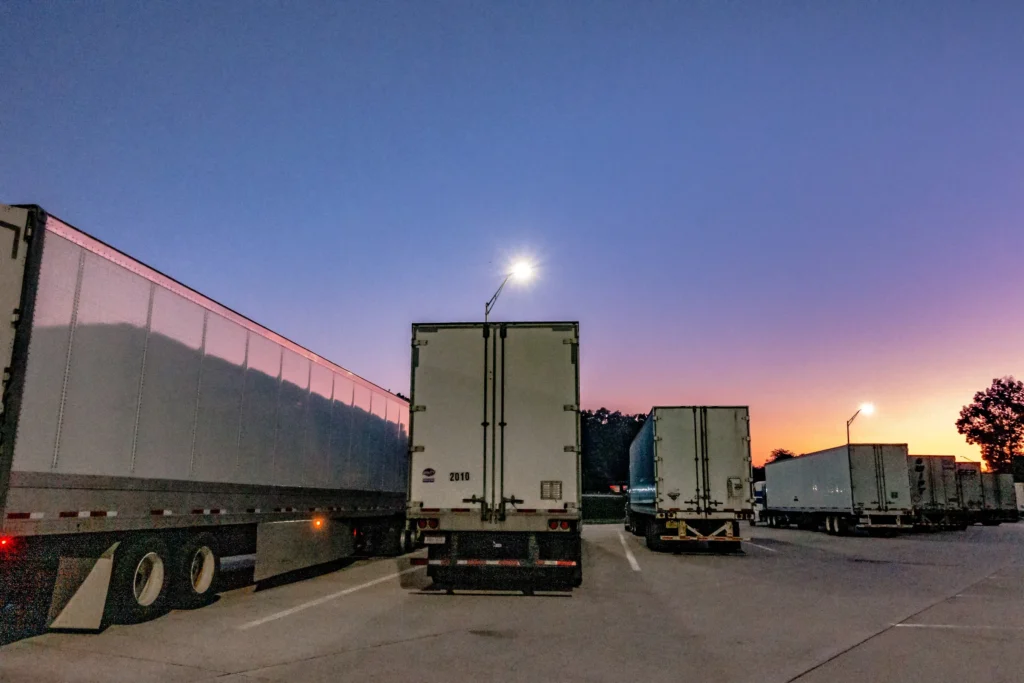
The parking lot is where it all starts and where a lot of the action takes place. Good truck stop etiquette starts the moment you pull into the lot.

  • Use your lights respectfully. Turn off your headlights when you enter the parking lot. Most truck stop parking lots are well-lit, so using your clearance lights is really all you need. Others can see you just fine. If someone is backing in to park or leaving, and you are waiting to get into a space, turn off your lights so that they can see better. Turn your lights off after you park. You can use marker lights to aid other drivers.
  • No jake braking. Just don’t. It is not funny. It’s pretty much a jerk move. People are trying to sleep and wind down.
  • Drive slowly and follow the flow of traffic. Driving slowly through the parking lot and following the flow of traffic is just safer than barreling through to your spot. There are going to be drivers walking across the parking lot, many of them tired or groggy after just waking up, and they need a safe place to walk. Slow down.
  • Use turn signals and lights to communicate with other drivers. This is just a common courtesy that is also a good safety measure. Plus, it’s respectful to the other drivers.
  • If you are bobtail, try to find a parking space where a trailer won’t fit. If you can find an end space, two bobtails can share. Try to avoid taking a full-size space. Leave it for the tractor-trailers.
  • Turn your music down. People are sleeping.
  • Don’t use the parking lot like your personal toilet. Sadly, this is much more common than you might think. Just go inside and use the toilet.
  • Don’t knock on other drivers’ doors. If you haven’t been invited, don’t do it unless there is an emergency.
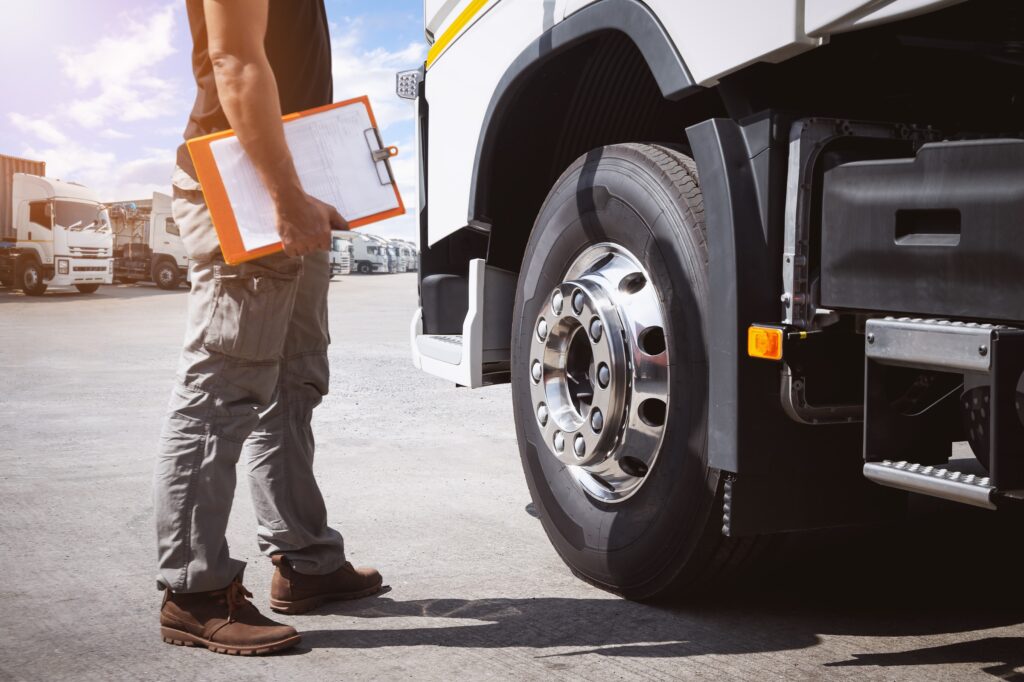
  • Don’t mess with another driver’s truck – ever. Not cool at all. And it can get you in a lot of trouble. It happens, though, so always check your truck before you leave. A quick inspection of your fifth wheel (check the coupling nut), tie downs, etc., can save you a lot of headaches.
  • Park smart. If noise bothers you, don’t park near running reefers, conestogas, etc. They are not quiet because they must be running. If you do end up parking next to one, don’t complain about the noise.
  • Park respectfully. Back in, don’t nose in. Leave the driver next to you enough room to open their door. Don’t park too close.
  • If you have an animal, pick up after it. Don’t leave your animal’s waste in the parking lot for others to step in. Take the animal for a walk in a designated pet area or off the parking lot pavement.
  • Know where the back of your parking space is when parking. If you are in the front row and back in beyond the back of your space, you push the other rows back as well. This leaves the last row with no room to park or with less room to try to get into a parking space.
  • Be patient with people who are trying to park. Yelling, honking, and getting angry will never help the situation. It will only make things worse.
  • Don’t hit your air horn – or train horn. Not while backing up, not while riding through, and not while riding by. People are sleeping.
  • Don’t park in front of the scale. Get your weight ticket and move to a parking spot to get something to eat, get a shower, hit the head, or grab a coffee.
  • Don’t walk across the scales when someone is trying to weigh. Just don’t. Pay attention.

Truck Stop Fuel Line Tips

The fuel lines are a common source of frustration for many drivers because of inconsiderate drivers.

  • Pay attention and don’t spill fuel. When you spill fuel because you aren’t paying attention, you are leaving it for someone else to step in and stink up their truck with the smell of diesel.
  • Don’t park in the fuel line. Fuel up and move on to a parking spot. Don’t “run in” for anything while leaving your truck in the fuel line. Get out of the way so others to fuel up too.
  • Don’t block the fuel islands. After you fuel, don’t pull up just beyond the fuel island and park so that you are blocking it. You aren’t saving steps; you are creating a bottleneck and making yourself look like a jerk.
  • Empty any trash in the trash can, not on the ground. It’s simple. Don’t litter.
  • Use the windshield washing squeegee for glass and lights only. The squeegee is for your windshield, windows, headlights, mirrors, turn signals, and taillights. It’s for glass and lights, not to wash your whole cab.
  • Don’t wash your dishes at the fuel island, especially when other trucks are waiting. Take them in the shower with you.

Truck Stop Driver Lounge, Store, Restroom, and Shower Tips

Inside the truck stop, you will encounter the employees and other drivers. A little courtesy goes a long way.

  • Don’t take your frustrations out on the cashiers and workers. They are trying to do their job just like you are trying to do yours. Don’t abuse them because you are having a bad day.
  • Take your phone calls in private. No one wants to hear your private phone conversation. It is disruptive and inconsiderate. Take your calls in a private area where you won’t disturb others.
  • Wear headphones when watching videos on your phone. No one wants to hear your videos either. Use headphones.
  • Don’t leave a mess. Clean up after yourself. If you use the coffee area, bathroom, shower, driver lounge, or anywhere else in the truck stop, don’t leave a mess for someone else to pick up after you.
  • Flush the toilet. Please, just flush. And make sure it flushes. Grown people should not leave a bathroom looking like a disaster area.
  • Don’t leave a nasty mess. What doesn’t make it into the toilet needs to be wiped off the toilet. Other drivers are coming behind you. Have some courtesy.
  • Empty your “bottles” in the bathroom or shower and dispose of them. Many truckers use bottles when they can’t get to facilities. That is your business, but be respectful of where you dispose of your bottles. That type of waste is a biohazard. Empty your bottles in the toilet, the bathroom, or the shower area. Then throw away your bottles. Don’t leave them for some truck stop employee to have to pick up off the ground.

Interacting with Other Drivers

If you spend any time in truck stops, especially the driver areas, you will interact with other drivers. Just be courteous and friendly.

  • Don’t be shy about offering a helping hand. If you see someone who needs help, offer it.
  • Don’t talk about your load. You don’t know who you are talking to in truck stops, so it is best that you don’t talk about your freight. As a rule, drivers don’t do it because there are people who have very bad intentions. It is a serious safety risk.
  • Practice good hygiene. You are interacting with other drivers, the truck stop employees, and other customers. Shower regularly, brush your teeth, and use deodorant. You’ll be more pleasant to be around, and you’ll feel better, too.
  • Be kind. That’s really it, just be kind. Driving can be a lonely life. Many drivers are away from family and loved ones; they miss special days, and you never know what they are dealing with. Don’t make it worse. Make it better. A little kindness goes a long way.

Good Truck Stop Etiquette Separates the Experienced Hands from the Green Ones

Experienced drivers tend to be more inclined toward good truck stop etiquette. New drivers usually have to just catch on as they can because it isn’t taught in school. It is important. At its more basic level, it’s just sheer courtesy and consideration for others.

Those who don’t practice good truck stop etiquette give truckers a bad name. And it’s so unnecessary.

Do your part. Be respectful. Be kind. Above all, be considerate.

Truck Stop FAQs

How long can you park at a truck stop?

Different truck stops have different policies, but typically, it is around ten hours. Paying customers are often able to park longer. It is best to check the parking policy of the specific truck stop.

Can cars park overnight at truck stops?

Yes, cars can park overnight at truck stops, but not in the truck area. Most truck stops have a designated area for cars.

What is the “trucker do not stop list”?

The “trucker do not stop list” is a list of truck stops that truckers are advised to avoid because of concerns about safety. It is particularly geared toward drivers with high-value loads.

To learn more about Truck Driving options with a Certified Top-Pay Carrier, contact us at Barr-Nunn Transportation.

Drive for Barr-Nunn Transportation! Search Truck Driving Positions or Apply Now!

Best Shoes/Boots for Truckers

Truck drivers spend a lot of time on the road, but they also spend a lot of time out of their vehicles, loading and unloading — sometimes in tough environments. Having the right footwear for these environments is important for ensuring driver safety and comfort. Want to know what the best boots are for truckers? We can help you.

What Boots Truck Drivers Wear

The best shoes for truck drivers offer safety and protection on the job. Work boots are a standard part of dress for truck drivers, regardless of vehicle type or what the rig is hauling.

Features to look for include:

  • Leather uppers for durability, breathability, and comfort
  • Slip-resistant soles prevent slips and falls outside the rig
  • Waterproof features to keep your feet dry when it’s raining and wet
  • Composite toes to protect your feet from falling objects and punctures

Shoes to avoid on the job:

  • Tennis shoes
  • Flat-soled boots (like cowboy boots)
  • Flip-flops and open-toed shoes

Why Should You Wear Trucker Boots?

Loading and unloading a truck and performing vehicle maintenance require drivers to be steady on their feet. Sometimes drivers do this work on wet or polluted surfaces.

  • Support the Feet: Work boots support the feet, provide comfort on the job, and alleviate pain. Wearing good shoes can reduce pressure on the joints and help prevent problems like back pain.
  • Prevent Workplace Accidents: Non-slip soles help prevent accidents that could lead to damaged cargo and equipment.

Best Men’s Work Boots for Truck Drivers

Timberland PRO Men’s Direct Attach 6″ Soft Toe Insulated Waterproof

  • Source: Amazon
  • Cost: $154.95
  • Reviews: 4.6 stars out of 5

Features:

  • Waterproof leather boots with seam-sealed construction and Thermolite insulation keep feet dry and warm
  • Comfort Suspension technology reduces foot fatigue and supports the arch
  • Can be worn at home and on the job
  • Anti-fatigue soles provide comfort and protection
  • Moisture-wicking lining provides excellent odor control

People who wear these work boots find them comfortable and appropriate for all weather types. They hold up well, and they’re well-constructed.

Caterpillar Footwear Men’s Colorado Equip 6″ Waterproof Composite Toe Ankle Work Boot

  • Source: Amazon
  • Cost: $120
  • Reviews: 4.4 stars out of 5

Features:

  • Provides comfort throughout the day with a high-rebound midsole
  • Waterproof upper leather provides protection from water and punctures
  • Composite safety toe provides all-day protection for the wearer
  • No break-in required with the padded collar and rolled tongue
  • Feet stay secure and in place while the boot flexes to your body
  • Excellent traction and slip-resistance provided with the rubber outsole, reducing the risk of slips on the job

People who wear these boots find them comfortable and easy to wear throughout the day.

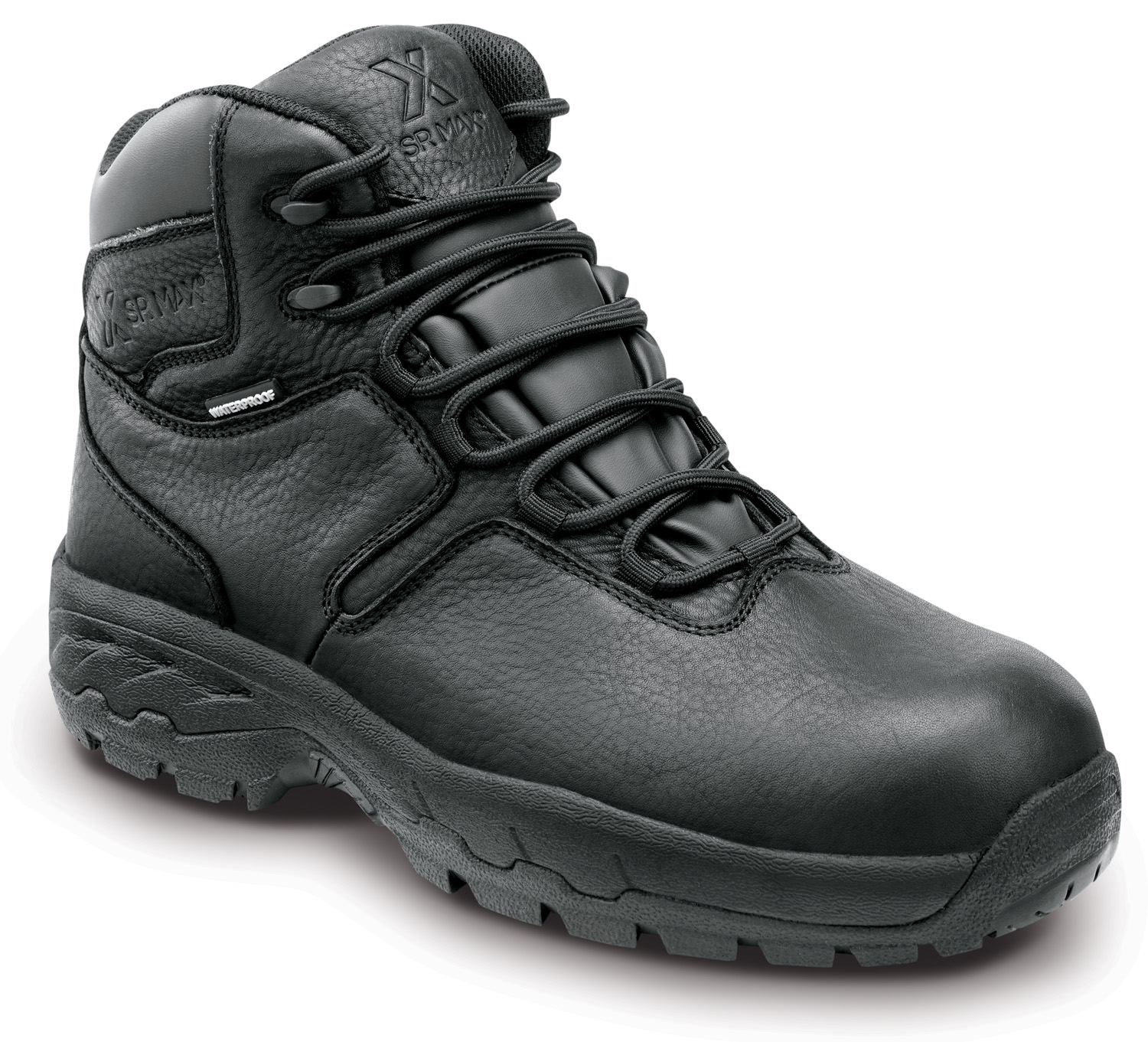
Men’s 6″ Black Denali MaxTRAX® Composite Toe Waterproof Boot

  • Source: SRMax
  • Cost: $134.99
  • Reviews: 4.5 stars out of 5

Features:

  • Waterproof, oiled leather upper for excellent durability and breathability
  • Waterproof construction keeps feet warm and dry
  • Outsole surface gives better traction, while the channels in the tread direct liquid away for excellent performance on dry, wet, and oily surfaces
  • Composite toes are lightweight while meeting ASTM standards
  • Non-metallic eyelets, shanks, and hardware are security system-friendly

This boot is designed to be long-lasting and comfortable for the wearer, while providing good value throughout the life of the boot.

Timberland PRO Pit Boss Steel Toe Boot

  • Source: Amazon
  • Cost: $109.99
  • Reviews: 4.3 stars out of 5

Features:

  • Unique comfort system helps reduce foot fatigue while supporting the arch, cushioning every step
  • Steel safety toe meets US safety standards and compression safety standards
  • Heat-resistant, durable sole protects against slips and falls; oil and abrasion resistance.
  • ReBOTL is made from 50% recycled material

People who wear these boots report that they are comfortable and well-constructed, a good value for the money.

Safety Loong MG112

  • Source: Amazon
  • Cost: $59.99
  • Reviews: 4.4 stars out of 5

Features:

  • Cushioned insoles, padded collars, and extra ankle padding provide exceptional comfort and support on the job
  • High-quality top-grain leather uppers offer superior durability
  • Non-slip outsole provides excellent traction on various surfaces, including oily and wet surfaces
  • Top reinforced double stitching provides enhanced durability and long-lasting wear
  • Professional design available in multiple colors
  • Good value at an affordable price

People who wear these boots report that they are good quality and provide a comfortable fit. They also appreciate the design and look.

Timberland PRO Men’s Titan Ev 6 Inch Composite Safety Toe Waterproof Industrial Work Boot

  • Source: Amazon
  • Cost: $164.95
  • Reviews: 4.5 stars out of 5

Features:

  • The Anti-Fatigue Technology offers good shock absorption to return energy back to the foot and deliver comfort
  • Composite safety toe is lightweight and non-metallic, but durable and in compliance with safety standards
  • Waterproof membrane keeps feet dry in wet environments
  • Heat-resistant, durable rubber compound offers enhanced slip, oil, and abrasion resistance

People who wear these boots praise the roomy toe box and say they are lightweight for easy wear throughout the day.

Best Women’s Work Boots for Truck Drivers

Cat Footwear Women’s Tess Steel Toe Work Boot

  • Source: Amazon
  • Cost: $85-$157
  • Reviews: 4.4 stars out of 5

Features:

  • Full-grain leather with faux fur fleece textile collar provides comfort, breathability, and long-lasting durability
  • Molded EVA midsole offers additional shock absorption
  • Nylon shank adds support and stability
  • Slip-resistant sole performs against oil and water and provides grip on low-traction surfaces
  • ERGO technology integrates stability, flexibility, and comfort

People who wear these boots note that they are comfortable, durable, and long-lasting.

Cat Footwear Women’s Mae Waterproof Steel Toe Work Boot

  • Source: Amazon
  • Cost: $114.99
  • Reviews: 4.4 stars out of 5

Features:

  • Steel Toe protects against impact and compression
  • Slip-resistant soles reduce the risk of slips and falls
  • Waterproof, quality full-grain leather keeps feet dry
  • Nylon mesh lining and sock liner provided added breathability and comfort.
  • Molded EVA Footbed offers shock absorption for long-lasting comfort
  • Nylon shank provides support and stability.

People who wear these boots report they’re well-made and worth the price, delivering good value.

Want More Advice for Truckers? Barr-Nunn Transportation Can Help

Whether you want to know about the most comfortable work boots for truck drivers or you’re seeking information about safety and truck maintenance, the team at Barr-Nunn Transportation can help. Contact us to learn more about jobs for truck drivers with Barr-Nunn Transportation.

Why the Demand for Semi-Truck Drivers Continues to Grow: An Industry Insight

The trucking industry is the lifeblood of the American economy, ensuring that goods travel from ports, warehouses, and factories to every corner of the country. As we navigate through 2025, one trend is unmistakable: the demand for qualified semi-truck drivers is not just steady—it’s accelerating. For companies like Barr-Nunn Transportation, understanding why this demand continues to rise is essential to attracting and retaining top talent. In this article, we’ll explore the driving factors behind the ongoing truck driver shortage, the economic impact, and what the future holds for those considering a career behind the wheel.

The Backbone of America: Why Trucking Matters

Nearly 72.6% of all freight tonnage moved in the United States is transported by trucks, according to the American Trucking Associations (ATA). Every day, truck drivers deliver essential goods—food, medical supplies, building materials—that keep our society running smoothly. The ongoing strength of the trucking industry is crucial for businesses and consumers alike.

The Growing Demand: Key Statistics for 2025

Despite the industry’s importance, the U.S. faces a significant shortage of truck drivers. As of early 2025, the ATA estimates the shortage at over 80,000 drivers, a number that could surpass 160,000 by 2030 if trends continue. What’s fueling this persistent—and growing—demand?

1. Booming E-Commerce & Supply Chain Complexity

E-commerce has transformed the retail landscape, with online sales accounting for nearly 23% of total retail sales in 2024, up from 14% in 2019. This surge translates directly to increased freight volumes and heightened pressure on delivery times. Complex, just-in-time supply chains mean that companies rely more than ever on efficient, reliable trucking solutions to keep shelves stocked and customers satisfied.

2. Economic Expansion and Infrastructure Investments

Despite global uncertainties, the U.S. economy remains resilient. GDP growth in 2024 was 2.2%, with infrastructure projects ramping up due to federal investment. As construction booms and manufacturing rebounds, the need to transport raw materials, equipment, and finished goods rises in tandem. Semi-truck drivers play a vital role in these expanding industries.

3. Driver Retirements and Workforce Demographics

The average age of a commercial truck driver in the U.S. is over 47 years old, and nearly a quarter of current drivers are 55 or older. As these experienced professionals retire, the industry must fill a widening gap. In 2024, more than 400,000 drivers reached retirement age, creating ongoing recruitment challenges.

4. Regulatory Changes and Safety Requirements

Tighter safety regulations, electronic logging devices (ELDs), and stricter Hours of Service rules have changed how fleets operate. While these regulations improve safety and driver well-being, they also reduce the total number of available driving hours—requiring more drivers to move the same amount of freight.

The Impact of the Driver Shortage

The shortage of qualified drivers isn’t just a trucking company problem—it impacts the entire economy. Here’s how:

  • Rising Transportation Costs: As demand outpaces supply, shipping rates increase, leading to higher costs for businesses and, ultimately, consumers.
  • Supply Chain Disruptions: Delivery delays can result in empty store shelves and production slowdowns.
  • Pressure on Existing Drivers: Current drivers face increased workloads and longer wait times at loading docks, impacting job satisfaction and retention.

Why Barr-Nunn Transportation Is Investing in Drivers

At Barr-Nunn Transportation, we recognize that our drivers are the heart of our operation. We’ve responded to industry challenges with competitive pay, modern equipment, comprehensive benefits, and a culture that values safety and respect. Here’s how we’re addressing the driver shortage:

  • Competitive Compensation: According to the U.S. Bureau of Labor Statistics, the median annual wage for heavy and tractor-trailer truck drivers was $54,800 in 2024, with many experienced drivers earning much more through bonuses and incentives. Barr-Nunn consistently has been a Certified Top Pay Carrier by the National Transportation Institute for the past 20 years. In 2024, the top 50% of Barr-Nunn Solo Company Truck Drivers earned an average of $102,499. In 2024, the top 50% of Barr-Nunn Team Truck Drivers earned an average of $123,934 per driver.
  • Flexible Schedules & Home Time: Work-life balance is a top priority. We offer flexible routes and quality hometime schedules to accommodate personal needs, helping attract new talent—especially younger drivers seeking quality of life.
  • Safety-First Culture: Advanced technology and rigorous safety standards protect our drivers on the road.

The Future: Opportunities for New Drivers

The demand for semi-truck drivers isn’t going away anytime soon. In fact, the Bureau of Labor Statistics projects nearly 241,000 openings for heavy and tractor-trailer truck drivers each year through 2032, driven by growth and retirements. This creates tremendous opportunities for those seeking stable, well-paying careers.

Top Reasons to Start a Truck Driving Career in 2025

  • Job Security: Persistent demand means consistent opportunities.
  • Competitive Wages: Rising pay as companies compete for top talent.
  • Variety: Local, regional, and long-haul routes available.
  • Advancement: Room to grow into specialized roles or fleet management.

Conclusion

The demand for semi-truck drivers continues to grow due to a combination of economic expansion, e-commerce growth, demographic shifts, and regulatory changes. For companies like Barr-Nunn Transportation, investing in drivers and creating a positive work environment is not just smart business—it’s essential to keeping America’s supply chains moving.

If you’re looking for a rewarding career with real impact, there’s never been a better time to join the trucking industry.

Ready to join a company that puts drivers first? Learn more about careers at Barr-Nunn Transportation and start your journey today!

Sources

How Company Culture Creates a Second Family for Truckers

More Than Just a Job—A Home on the Road

Let’s be real—trucking isn’t just a job; it’s a lifestyle. You don’t clock in and out like a regular 9-to-5. You spend days, even weeks, on the road, navigating highways, battling traffic, and making sure America keeps moving. It can be tough, lonely, and exhausting, but it doesn’t have to feel that way.

At Barr-Nunn Transportation, we get it. We know that our truck drivers aren’t just employees—they’re the heart of our company. That’s why we go the extra mile (just like you do) to create a company culture that feels like family. From respect and appreciation to top-tier benefits and a strong support network, we make sure our drivers never feel like they’re in this alone. Because at the end of the day, feeling valued and connected makes all the difference.

And we put our money where our mouth is—Barr-Nunn has been recognized as the Top Pay Certified Carrier for 20 consecutive years, proving that we back up our words with action.

Why Company Culture Matters for Truckers

If you’ve been in this industry for a while, you know that not all trucking companies are created equal. Some treat drivers like just another number—get in the truck, make the miles, and don’t ask questions. But that’s not how we do things at Barr-Nunn.

A strong company culture can make or break your experience as a trucker. When you feel respected, appreciated, and supported, your job becomes more than just a paycheck. It becomes something you’re proud of. You feel like you belong. That’s what we aim to provide—a workplace where drivers feel connected, cared for, and motivated to succeed.

We believe in creating a driver-first culture, where your well-being is our priority. Because when you’re out there on the road, we want you to know that we’ve got your back—every mile, every load, every day.

Barr-Nunn Transportation: Built on Respect and Trust

Trust and respect aren’t just buzzwords for us; they’re the foundation of everything we do. We know that without our drivers, we wouldn’t be the successful company we are today. That’s why we operate with transparency and fairness, always putting our drivers first.

You’ll never feel like you’re left in the dark here. We’re upfront about pay, home time, safety standards, and expectations. No surprises, no games—just honesty and trust. Our dispatch team communicates clearly, ensuring that you’re never stuck guessing about your next move. And if you ever have concerns, we actually listen. Your voice matters, and we take pride in making sure every driver feels heard.

At Barr-Nunn, you’re not just another truck on the road. You’re part of a team that values and respects you. Because when we all look out for each other, we all succeed.

Unmatched Benefits That Show We Care

A great company culture isn’t just about words—it’s about action. And at Barr-Nunn, we show our appreciation with benefits that actually make a difference in your life.

Top Pay Carrier for 20 Consecutive Years

It’s no secret that drivers want to be paid what they deserve, and at Barr-Nunn, we make sure that happens. We’ve been recognized as a Top Pay Certified Carrier for 20 years straight—something very few companies can say. What does this mean for you?

  • Industry-leading pay packages that reward experience and performance.
  • Frequent pay raises to ensure you’re always making what you should.
  • Guaranteed raises and safety bonuses—because we value reliability and professionalism.

We don’t just talk about superior pay—we’ve proven it for two decades.

Industry-Leading Safety Standards

We don’t cut corners when it comes to safety. Our trucks are equipped with the latest technology to keep you protected, and we have one of the highest safety ratings in the industry. Plus, we offer safety bonuses because doing things the right way should always be rewarded.

Health and Wellness Support

Long hours on the road can take a toll on your health, and we want you to be at your best—physically and mentally. That’s why we provide comprehensive health coverage, including medical and dental insurance. And if you ever need support, we offer mental health resources to help you handle the challenges that come with trucking.

At Barr-Nunn, taking care of our drivers isn’t optional—it’s a commitment.

A Community That Feels Like Home

One of the biggest challenges of trucking is that it can feel lonely. But it doesn’t have to be that way. At Barr-Nunn, we’ve created a community where drivers feel connected—even when they’re hundreds of miles apart.

Driver Appreciation Programs

We know that a simple “thank you” goes a long way. That’s why we hold driver appreciation events, celebrate milestones, and recognize top performers. Your hard work doesn’t go unnoticed here.

A Strong Support Network

Ever had a breakdown in the middle of nowhere? Or just needed someone to talk to? Our 24/7 driver support team is always ready to help. We also have mentorship programs that connect new drivers with experienced professionals. So whether you’re facing a tough day or just need some advice, you’re never alone.

Why Truckers Choose Barr-Nunn

There’s a reason truckers stay with Barr-Nunn for the long haul. It’s not just about the great pay or the home time—it’s about the way we treat our drivers like family.

What Sets Us Apart

  • Top Pay Certified Carrier for 20 years—consistent, industry-leading earnings.
  • Low driver turnover (because happy drivers don’t leave).
  • Honesty and transparency (you always know what to expect).
  • A real sense of belonging (because no one should feel like just a number).

If you’re looking for a trucking company that actually values you, Barr-Nunn is the place to be.

Conclusion: Barr-Nunn—A Family You Can Count On

At Barr-Nunn Transportation, we do things differently. We don’t just hire drivers—we build relationships. We don’t just offer jobs—we offer careers with purpose. And we don’t just say we care—we show it in everything we do.

With 20 years as a Top Pay Certified Carrier, industry-leading safety, and a strong company culture that values every driver, we’re more than just another trucking company. We’re a family.

So, if you’re tired of feeling like just another truck number and want to be part of something real, come join the Barr-Nunn family. Because here, trucking isn’t just a job—it’s a community. It’s a second family. And we can’t wait to welcome you in.

Join the Barr-Nunn family today!

Strategies for Successful Team Trucking: Boost Efficiency, Communication, and Teamwork

Team trucking can be one of the most rewarding ways to work in the transportation industry, offering increased earning potential, reduced downtime, and the opportunity to share responsibilities. However, success in team trucking depends on strong communication, mutual respect, and effective planning. At Barr-Nunn Transportation, we understand the importance of fostering strong partnerships between team drivers. In this guide, we’ll share strategies for successful team trucking to help drivers optimize their collaboration and enjoy the many benefits of team driving.

The Benefits of Team Trucking

Team trucking offers unique advantages that make it appealing for many drivers. By working in pairs, team drivers can cover longer distances in shorter periods, allowing for expedited deliveries. This can lead to higher pay due to increased mileage and access to specialized, high-priority routes.

Beyond financial incentives, team trucking also provides built-in companionship on the road, helping drivers combat the isolation often experienced in solo trucking. With a partner to share responsibilities, drivers can also enjoy better work-life balance and reduced stress during trips.

Top Strategies for Successful Team Trucking

  1. Establish Clear Communication

Effective communication is the cornerstone of any successful partnership. Before hitting the road, discuss your driving styles, preferences, and expectations. Decide how you’ll handle critical tasks like navigation, refueling, and meal planning. Regularly check in with each other to ensure you’re on the same page and address any issues early to avoid misunderstandings.

  1. Set Shared Goals

Discuss your goals for the team, such as desired mileage, earnings, or trip schedules. Knowing that you’re working toward the same objectives can foster cooperation and prevent conflicts. Regularly review your progress to ensure you’re both satisfied with the partnership.

  1. Divide Responsibilities Fairly

Clearly define roles and responsibilities for each driver. For example, one driver might handle pre-trip inspections while the other manages paperwork or route planning. Rotating tasks periodically can keep things fair and prevent burnout.

  1. Prioritize Rest and Sleep

Team trucking allows one driver to rest while the other drives, but ensuring quality rest is essential. Agree on a sleep schedule that works for both of you, and invest in comfortable bedding to make the truck’s sleeper berth a restful space. A well-rested driver is safer, more alert, and better equipped to handle challenges on the road.

Navigating Challenges in Team Trucking

  1. Adapt to Each Other’s Driving Styles

Every driver has unique habits and preferences. Take time to understand each other’s approaches to driving, braking, and navigating. Being flexible and accommodating can prevent friction and make the partnership smoother.

  1. Manage Conflict Proactively

Disagreements are inevitable, but how you handle them matters. Address issues calmly and respectfully, focusing on solutions rather than assigning blame. If a conflict persists, consider bringing in a neutral third party, such as a Barr-Nunn Transportation fleet manager, to mediate.

  1. Plan Routes Together

Collaborative route planning ensures both drivers are comfortable with the journey ahead. Use GPS systems and trucking apps to identify the best routes, rest stops, and refueling stations. Agreeing on the plan upfront reduces stress and minimizes surprises.

  1. Be Respectful of Personal Space

Living in close quarters can be challenging, especially during long trips. Respect your partner’s need for privacy and downtime. Whether it’s allowing them to nap undisturbed or using headphones for personal entertainment, small gestures of respect can go a long way.

Building a Strong Team Dynamic

  1. Leverage Each Other’s Strengths

Every driver brings unique skills to the table. One might excel at night driving while the other prefers navigating urban areas. Play to each other’s strengths to maximize efficiency and make the most of your partnership.

  1. Practice Patience

Patience is essential in team trucking, especially when spending long hours together. Be understanding of each other’s quirks and remember that both of you are working toward the same goals.

  1. Keep Open Lines of Communication with Dispatch

A strong relationship with your dispatcher can make team trucking more efficient. Communicate clearly and consistently about your availability, progress, and any issues on the road. At Barr-Nunn Transportation, our dispatchers are trained to support team drivers and facilitate smooth operations.

Maximizing Efficiency as a Team

  1. Plan Rest Breaks Strategically

Coordinate rest breaks to ensure minimal downtime. For example, one driver can take a break while the other handles refueling or checks the truck’s tires and fluids. Efficiency in these small tasks adds up over the course of a trip.

  1. Use Technology to Your Advantage

Invest in tools like GPS systems, route planning apps, and electronic logging devices (ELDs) to streamline operations. Barr-Nunn Transportation equips its trucks with advanced technology to help drivers navigate efficiently and comply with regulations.

  1. Monitor Fuel Efficiency

Team drivers cover more miles, so fuel efficiency is crucial. Practice fuel-saving techniques, such as maintaining a steady speed, avoiding unnecessary idling, and planning routes with minimal traffic or elevation changes.

Staying Safe on the Road

  1. Stay Alert for Weather and Traffic Conditions

Driving conditions can change rapidly, so staying informed is key. Share updates about weather or traffic delays and be prepared to adjust your plans as needed. Safety should always be the top priority.

How Barr-Nunn Transportation Supports Team Drivers

At Barr-Nunn Transportation, we recognize the value of team trucking and strive to create an environment where team drivers thrive. Our trucks are equipped with amenities to enhance comfort and efficiency, including advanced navigation systems and TPMS (Tire Pressure Monitoring Systems). Additionally, we offer competitive team pay packages and bonus programs to reward high-performing teams.

Fleet managers at Barr-Nunn are also dedicated to supporting team drivers by addressing concerns promptly and providing resources to optimize your experience on the road. Whether it’s route planning assistance or maintenance support, we’re here to help you succeed.

Conclusion

Successful team trucking requires preparation, communication, and mutual respect. By implementing these strategies, team drivers can maximize efficiency, minimize stress, and enjoy the many benefits of working together. At Barr-Nunn Transportation, we’re committed to empowering our team drivers with the tools, support, and training needed to excel. With the right approach and a strong partnership, team trucking can be a fulfilling and profitable career path.

To learn more about Truck Driving options with a Certified Top-Pay Carrier, contact us at Barr-Nunn Transportation.

Drive for Barr-Nunn Transportation! Search Truck Driving Positions or Apply Now!

What It Means to Be a Certified Top Pay Trucking Carrier

At Barr-Nunn Transportation, we know that truck drivers are the backbone of the American economy. You keep our store shelves stocked, our businesses running, and our communities thriving. That’s why we’re committed to providing our drivers with not just a job, but a rewarding career.

We’re proud to announce that Barr-Nunn Transportation has been officially recognized as a 19-Year Certified Top Pay Carrier by the National Transportation Institute (NTI). This prestigious designation signifies that we go above and beyond to offer our drivers industry-leading compensation, benefits, and a stable work environment.

But what exactly does it mean to be a Top Pay Carrier? Let’s break it down for you:

More Than Just a Paycheck: Top-Tier Compensation

Earning a competitive wage is crucial for any driver. NTI recognizes carriers who consistently offer top-tier compensation packages. Here at Barr-Nunn Transportation, that translates to:

  • Competitive pay structures: Whether you prefer hourly, per-mile, or a combination, we offer options that ensure you’re well-compensated for your experience and hard work.
  • Safety bonuses: Go the extra mile (literally!) and get rewarded for your dedication. We offer bonuses that acknowledge your contributions to our success.

Security and Stability: A Robust Benefits Package

A good career goes beyond just the paycheck. NTI acknowledges carriers who prioritize driver well-being by offering comprehensive benefits packages. At Barr-Nunn Transportation, we’ve got you covered with:

  • Health insurance: We offer health insurance plans for you and your family, ensuring access to quality healthcare.
  • Retirement savings: Plan for your future with our retirement savings programs that help you build a secure nest egg.
  • Paid time off (PTO): Recharge and spend time with loved ones with our generous PTO policies.
  • Life insurance: We offer peace of mind with life and disability insurance plans that protect you and your family in case of the unexpected.

Building a Future: Strong Career Paths

A Top Pay Carrier designation signifies a commitment to driver development. At Barr-Nunn Transportation, we believe in investing in your future. Here’s how:

  • Mentorship programs: Connect with experienced drivers who can guide you and help you hone your skills.
  • Ongoing training: We offer ongoing training opportunities to enhance your skills and qualifications, opening doors to advancement opportunities.

A Foundation for Success: Financial Stability

NTI recognizes carriers with strong financial footing, ensuring their ability to deliver on their promises to drivers. Barr-Nunn Transportation is a financially stable company with a proven track record of success. This means:

  • Job security: Knowing your employer is on solid ground provides peace of mind and allows you to focus on the road ahead.
  • Consistent income: Financial stability translates to consistent work opportunities and reliable income.
  • Investment in the fleet: We invest in maintaining a modern, well-maintained fleet to ensure your safety and comfort on the road.

Why Barr-Nunn Transportation?

Being a Certified Top Pay Carrier is more than just a badge of honor. It’s a reflection of our commitment to our drivers. We believe that when you choose Barr-Nunn Transportation, you’re choosing a company that values your contributions and invests in your success.

At Barr-Nunn Transportation, you’ll experience:

  • Respectful work environment: We treat our drivers with the professionalism and respect they deserve.
  • Open communication: We value your input and maintain open communication channels to address your concerns and ideas.
  • Positive company culture: We foster a supportive and collaborative work environment where you feel valued and appreciated.

Ready to Hit the Road to Success?

If you’re a skilled and dedicated truck driver looking for a career that offers more than just a paycheck, then Barr-Nunn Transportation is the place for you. We offer competitive pay, comprehensive benefits, and a stable work environment that sets you up for success.

Browse our current trucking job openings and take the first step towards a rewarding career with a Top Pay Carrier. We look forward to having you on the team!

Practical Mileage Pay as a Driver-Centric Compensation Model

Commercial truck drivers or professional drivers are the unsung heroes of the American industry. In fact, truckers across the nation are responsible for shipping more than 80% of all the nation’s annual freight, accounting for 11.4 billion tons of goods. Therefore, to say truckers are important to the economy is the understatement of the century. They are not only important, they are vital.

Therefore, if you want to get into an industry where you know you will have job security and be considered a modern hero, then trucking might be the career for you. If you are considering truck driving (or any profession for that matter), your compensation is also pretty important. In fact, according to a Stay Index Study, sufficient pay is the top factor in driver retention in both women and men who choose the profession, making it the most basic need. Thankfully, at Barr-Nunn, we agree and have committed to offering our employees practical mileage pay for more compensation.

Understanding Practical Mileage Pay

Practical mileage pay is a type of compensation that is based on the distance between the trucks’ origin and their destination, tabulated based on known routes that are regarded as the most efficient in terms of hauling the load in question and based on the truck itself. With practical pay, truck drivers can choose to take a different route than the one outlined or “paid for”, but they will be paid based on that predetermined route and the rate that has been negotiated.

Actual miles, by comparison, are exactly what they sound like, the actual miles a truck driver drives to deliver a shipment or trucking miles. This is also sometimes referred to as “hub miles” in the industry. Another way that miles are paid is the HHG or “household good miles” model. This is based on the shortest miles or the shortest route between the beginning point and the destination. It does not take into consideration the best route for the load or even the fastest route. It is solely based on the number of miles from point A to point B, regardless of infrastructure, traffic congestion, or speed.

Practical Mileage Pay in Action

Practical mileage is often considered a more accurate representation of the miles that a trucker actually puts under their wheels throughout the delivery process. Although the numbers will vary based on many factors, most truck drivers will note an increase of between 5% and 8% more paid miles with this type of compensation model. Therefore, when comparing practical miles vs short miles, or even practical miles vs HHG, practical mileage pay is more advantageous for drivers in terms of compensation, making it a popular option.

Practical mileage pay is beneficial because it allows truckers to bypass congested areas, bad weather, and more while still getting paid for the miles they are driving. It doesn’t simply consider the shortest route without using any common sense for the practicality of that route. Therefore, many truckers prefer this form of pay, though not all companies offer it as, sadly, they can get away with paying their truckers less if they don’t offer practical mileage pay.

Implementing Practical Mileage Pay

Putting practical mileage pay into practice within a trucking company takes a commitment to trying to provide the most fair pay per mile. Each company will implement this pay system slightly differently based on several factors. The challenge is switching over from a pay system that has likely been in place for years. However, it is a more accurate and fair way to compensate truckers, so it should be given serious legal and regulatory consideration.

The Future of Compensation Models in the Trucking Industry

Technology and its incorporation into the trucking industry are key in effectively quantifying the best routes and tracking vehicles. Technology has proven to be a game-changer when it comes to utilizing practical mileage pay. GPS tracking systems, for example, provide real-time data to truckers, allowing them to avoid potential hazards. Driver assistance systems help by offering lane departure warnings, adaptive cruise control, and even collision warnings. The technology allows optimization of GPS systems that look at factors like telematics, fuel consumption, and more that help a trucking company come up with the most efficient route that the practical mileage will then be based on and will determine what a trucker is paid.

Telematic systems are another noteworthy technology that is changing the trucking industry for the better. This tech is a blend of informatics and telecommunications that combines to predict and improve a vehicle’s performance and condition. Telematic systems include onboard diagnostics, GPS technology, and real-time data about a truck’s condition and performance. This all has to do with how drivers are compensated, through the preferred route based on performance and other factors, making it a fairer system.

Empowering Truckers Through Driver-Centric Compensation Models

Our commitment to our drivers at Barr-Nunn is unparalleled. Barr-Nunn has proudly offered the coveted practical mileage pay for many years as we know it is a more accurate and fair compensation model for our drivers. As such, our professional drivers are better compensated and more satisfied with their professional situation. Practical mileage pay ensures no driver is shorted or given less pay based on an unrealistic route. Instead, through the use of innovative technology, we ensure that our drivers are paid fairly through practical mileage.


Common Truck Driver Questions

What is practical mileage pay in trucking?
Practical mileage pay compensates truckers based on the most efficient and realistic route between the origin and destination. This system ensures fairer pay compared to shorter or less practical mileage methods.

How does practical mileage pay benefit truck drivers?
Practical mileage pay benefits truck drivers by providing compensation closer to the actual miles driven, allowing for route flexibility to avoid traffic, bad weather, and other delays, while increasing overall earnings.

What is the difference between practical miles and actual miles?
Practical miles are calculated based on efficient and realistic routes, while actual miles, often called “hub miles,” are the exact miles a truck drives. Practical miles often result in higher pay for truckers.

Why do some trucking companies prefer not to use practical mileage pay?
Some companies avoid practical mileage pay because it typically results in higher compensation for drivers. They may opt for methods like HHG miles, which calculate pay based on shorter routes, often leading to reduced costs for the company.

How is technology used in practical mileage pay systems?
Technologies like GPS tracking, telematics, and real-time data analysis optimize route planning for practical mileage pay. These systems ensure efficient routing and fair compensation for drivers.

Why is practical mileage pay considered a driver-centric compensation model?
Practical mileage pay is driver-centric because it accounts for realistic driving conditions and routes, ensuring fair compensation while empowering drivers with flexibility and higher satisfaction.


To learn more about Truck Driving options with a Certified Top-Pay Carrier, contact us at Barr-Nunn Transportation.

Drive for Barr-Nunn Transportation! Search Truck Driving Positions or Apply Now!