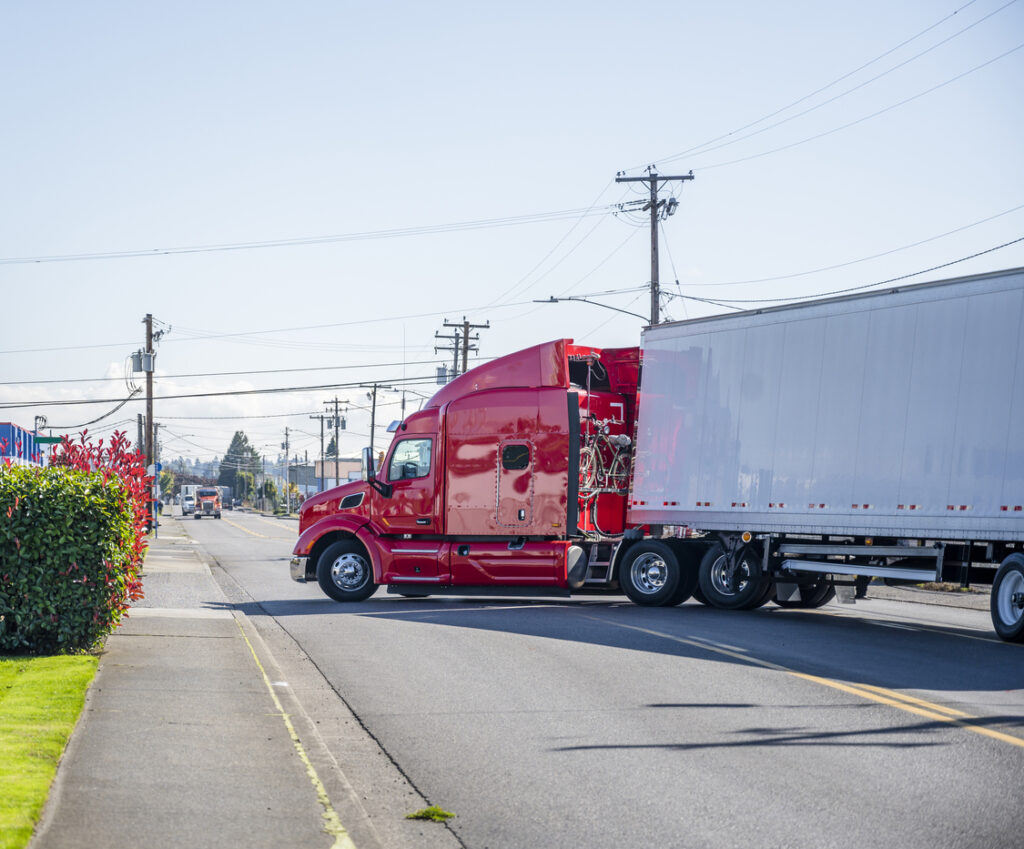

What You Need to Know About DOT Physicals for Truck Drivers

In the world of trucking, safety is paramount. Ensuring that commercial drivers are physically fit to operate large vehicles on our roads is a crucial part of that safety equation. This is where the DOT (Department of Transportation) physical comes into play. If you’re a truck driver or aspiring to be one, understanding what a DOT physical is, what it entails, the new requirements, where to get one, its cost, and its validity period is essential. This comprehensive guide will address these questions and provide valuable insights into this vital aspect of your trucking career.

What is a DOT Physical?

A DOT physical, officially known as a “Department of Transportation Physical Examination,” is a mandatory medical evaluation designed to assess a commercial driver’s physical and mental fitness to safely operate a commercial motor vehicle (CMV). It is a standardized assessment that helps ensure the safety of both the driver and other road users.

What Does a DOT Physical Consist Of?

A DOT physical is a comprehensive examination that includes various elements to assess a driver’s overall health and fitness for the job. The examination typically includes the following components:

  1. Medical History Review: The medical examiner will inquire about your medical history, including any chronic illnesses, previous surgeries, or medications you are currently taking.
  2. Vision Test: A vision test will assess your visual acuity and peripheral vision. Corrective lenses, if required, are permitted to meet the vision standards.
  3. Hearing Test: A hearing test is conducted to determine your ability to hear a forced whisper at a distance of five feet or more. Hearing aids may be used to meet the hearing standards.
  4. Blood Pressure Measurement: Your blood pressure will be checked to ensure it falls within acceptable ranges.
  5. Physical Examination: A thorough physical examination will be performed to assess your general health, including checks for cardiovascular, respiratory, and musculoskeletal issues.
  6. Urine Sample: A urinalysis is typically conducted to check for underlying medical conditions, including diabetes.
  7. Drug and Alcohol Testing: You will also be required to undergo drug and alcohol testing, as mandated by federal regulations.

What Are the New DOT Physical Requirements?

The requirements for a DOT physical have evolved over time, with an emphasis on ensuring the health and safety of commercial drivers. As of an update in September 2021, the requirements included the following key elements:

  1. Vision: Commercial drivers must have at least 20/40 vision in each eye with or without correction. They must also have a field of vision of at least 70 degrees in the horizontal meridian.
  2. Hearing: The driver must be able to hear a forced whisper at five feet or more, with or without a hearing aid.
  3. Blood Pressure: The acceptable blood pressure range is typically 140/90 or lower. If your blood pressure is higher, you may receive a temporary certification and be required to manage it.
  4. General Health: You must be in reasonably good health, with no disqualifying medical conditions.
  5. Medications: Some medications may disqualify you, especially if they could impair your ability to drive safely.

**Please note that regulations can change, and it’s essential to verify the current requirements with the DOT or a certified medical examiner.

Medical Conditions that Disqualify You from a CDL:

Certain medical conditions may disqualify you from obtaining or renewing a Commercial Driver’s License (CDL) or passing a DOT physical. These conditions often relate to physical and mental health. Disqualifying medical conditions may include:

  1. Epilepsy or Seizure Disorders: Unless they are well-controlled and have no seizures for a specified period.
  2. Insulin Use: Diabetics who require insulin for control may be disqualified unless they meet specific criteria.
  3. Vision Issues: Severe vision problems that cannot be corrected to meet DOT standards.
  4. Hearing Loss: Profound hearing loss or inability to hear a forced whisper even with a hearing aid.
  5. Cardiovascular Issues: Severe heart conditions, especially those that could lead to sudden incapacitation.
  6. Psychiatric Conditions: Certain mental health conditions that could impair your ability to drive safely.
  7. Substance Abuse: A history of substance abuse or failed drug and alcohol tests.

Where Can I Get a DOT Physical?

You can get a DOT physical from a licensed and certified medical examiner. These medical professionals are specifically trained to perform DOT physicals and are familiar with the requirements and standards set by the Federal Motor Carrier Safety Administration (FMCSA). You can find a list of certified medical examiners on the FMCSA’s National Registry of Certified Medical Examiners.

How Much is a DOT Physical?

The cost of a DOT physical can vary depending on the location and the medical examiner’s fees. On average, you can expect to pay between $80 to $120 for the examination. Keep in mind that this cost does not include any additional drug or alcohol testing that may be required.

How Long Does a DOT Physical Take?

A DOT physical typically takes about 30 minutes to an hour to complete. The actual time may vary depending on the medical examiner’s schedule and any specific health issues or concerns that need to be addressed during the examination.

How Long Is a DOT Physical Good For?

The validity of a DOT physical certificate varies depending on your health and medical history. In most cases, a DOT physical certificate is valid for 24 months. However, if you have a medical condition that requires monitoring, the certificate may be issued for a shorter duration, and you may need to undergo more frequent examinations. Additionally, if you have a medical condition that poses a greater risk, you might receive a temporary certification with specific requirements for maintaining your qualification.

In conclusion, understanding the intricacies of DOT physicals is crucial for every truck driver. It ensures not only your safety but the safety of everyone else on the road. Keep in mind that regulations can change, so it’s essential to stay updated with the latest requirements and consult a certified medical examiner when it’s time for your DOT physical. Ultimately, staying in good health and meeting the standards set by the DOT is a fundamental part of being a responsible and safe truck driver.

To learn more about Truck Driving options with a Certified Top-Pay Carrier, contact us at Barr-Nunn Transportation.

Drive for Barr-Nunn Transportation! Search Truck Driving Positions or Apply Now!

Truck Driving Tips: How to Avoid Mistakes When Turning Around

When it comes to truck driving, one of the most crucial skills to master is turning around safely and efficiently. Making mistakes during a turn can lead to accidents, damage to the vehicle, and potential harm to others on the road. In this article, we will discuss the importance of proper turning techniques, common mistakes to avoid, and provide valuable tips to help truck drivers navigate turns with confidence.

Importance of Proper Turning Techniques

Turning a large commercial truck is not the same as maneuvering a regular vehicle. Due to the size and weight of trucks, they require more space and careful planning to execute turns safely. Employing proper turning techniques is essential to prevent accidents and maintain control over the vehicle. By mastering these skills, truck drivers can significantly reduce the risk of collisions and enhance their overall driving abilities.

Common Mistakes When Turning Around

1. Misjudging the Space

One of the most common mistakes truck drivers make when turning is misjudging the available space. This often happens when attempting to make tight turns in congested areas. Failing to accurately assess the space can result in sideswiping other vehicles, hitting curbs, or damaging property. Truck drivers should always be aware of their truck’s turning radius and take into account the surrounding environment before initiating a turn.

2. Failing to Signal

Another mistake frequently observed is the failure to use proper signals when turning. Signaling allows other drivers to anticipate a truck’s movement and adjust their own driving accordingly. Neglecting to signal can lead to confusion and potentially dangerous situations on the road. It is crucial for truck drivers to use their turn signals in advance to indicate their intentions clearly.

3. Taking Turns Too Sharply

Turning a truck too sharply is a common error that can result in jackknifing, where the trailer swings out of control, or the truck tipping over. It is vital for truck drivers to take wider turns, especially when navigating tight corners or making U-turns. By doing so, they can ensure the truck remains stable and reduce the risk of accidents.

4. Not Checking Blind Spots

Failure to check blind spots is a mistake that can have severe consequences. Due to the size of trucks, they have larger blind spots compared to regular vehicles. Neglecting to check these blind spots before initiating a turn can lead to collisions with other vehicles or pedestrians. Truck drivers should always use their mirrors effectively and physically turn their heads to check blind spots before changing lanes or making turns.

5. Making On-Road U-Turns

Truck drivers should avoid making on-road U-turns due to various reasons. Firstly, U-turns pose significant risks to other vehicles and pedestrians, as they often require a wide turning radius and obstruct traffic flow. Secondly, large trucks have limited maneuverability and visibility, making U-turns more challenging and prone to accidents. Additionally, U-turns can damage road infrastructure, such as curbs and medians, leading to costly repairs. Overall, truck drivers should opt for safer alternatives like utilizing designated U-turn locations or finding suitable turning points further down the road.

Tips to Avoid Mistakes When Turning Around

1. Plan Ahead

Proper planning is key to avoiding turning mistakes. Before reaching a turn, truck drivers should assess the route, check for any potential obstacles or restrictions, and plan their turn accordingly. This includes considering the size of the intersection, traffic conditions, and the need for any adjustments in speed or lane positioning.

2. Use Your Signals

Using turn signals is crucial to communicate your intentions to other road users. Truck drivers should signal well in advance of making a turn, giving other drivers ample time to react. Clear and timely signaling helps maintain a smooth flow of traffic and reduces the risk of accidents.

3. Take Wide Turns

To navigate turns safely, truck drivers should take wider turns whenever possible. This allows the truck to follow a more gradual arc, reducing the risk of trailer swing or rollover. By staying within the designated lanes and taking wider turns, drivers can maintain control and ensure the safety of themselves and others around them.

4. Check Your Blind Spots

Checking blind spots is essential for all drivers, but it is particularly crucial for truck drivers due to the larger blind spot areas. Regularly checking mirrors and physically turning your head to check blind spots before making a turn or changing lanes is vital. This helps ensure the safety of nearby vehicles and pedestrians.

Conclusion

Mastering the art of turning around safely is vital for every truck driver. By understanding the common mistakes to avoid and implementing the provided tips, truck drivers can significantly enhance their turning skills and reduce the risk of accidents. Safe and efficient turning not only protects the driver and the cargo but also contributes to overall road safety for everyone.

FAQs

Q: How can I avoid misjudging the space when turning my truck?
A: To avoid misjudging the space, it’s important to be aware of your truck’s turning radius and plan your turns accordingly. Take into account the surrounding environment, such as the width of the road, parked vehicles, and any potential obstacles.

Q: Why is it essential to check blind spots when turning a truck?
A: Checking blind spots is crucial because trucks have larger blind spot areas compared to regular vehicles. Failing to check blind spots can result in collisions with other vehicles or pedestrians.

Q: Can using turn signals really make a difference when turning a truck?
A: Yes, using turn signals is essential. It communicates your intentions to other road users and allows them to anticipate your movements, reducing the risk of accidents.

Q: What should I do if I need to make a tight turn with my truck?
A: When making a tight turn, take it slow and wide. Ensure you have enough space and maneuver carefully to avoid hitting curbs, vehicles, or other objects.

Q: How can I improve my turning skills as a truck driver?
A: Practice is key. Familiarize yourself with your truck’s turning capabilities and limitations. Take the time to learn and implement proper turning techniques, and always stay vigilant while on the road.

To learn more about Truck Driving options with a Certified Top-Pay Carrier, contact us at Barr-Nunn Transportation.

Drive for Barr-Nunn Transportation! Search Truck Driving Positions or Apply Now!

Benefits of Being a Company Truck Driver

Truck driving is an important industry that plays a crucial role in the economy. With the continued growth and expansion of the industry, there are more job opportunities than ever before for truck drivers. Two of the most popular career paths in the industry are being a company truck driver and an owner-operator truck driver. In this blog post, we will discuss the benefits of being a company truck driver and how it compares to being an owner-operator truck driver.

Benefits of Being a Company Truck Driver:

1. Job Security

Company truck drivers enjoy greater job security than owner-operators. They do not have to worry about finding their own loads or dealing with the ups and downs of the freight market. Company truck drivers are also more likely to have a consistent schedule, which allows them to plan their personal lives more effectively.

2. Steady Income

One of the biggest advantages of being a company truck driver is the steady income. Company truck drivers receive a regular paycheck, and their earnings are not dependent on the amount of freight they transport. They also do not have to worry about the expenses associated with owning and maintaining a truck, which can be significant.

3. Benefits Package

Many companies offer their drivers a comprehensive benefits package that includes health insurance, paid time off, and retirement plans. This is a significant advantage, as many owner-operators do not have access to these benefits.

4. Reduced Responsibility

Company truck drivers have less responsibility compared to owner-operators. They are responsible for driving the truck and ensuring that the cargo is delivered safely and on time. They are not responsible for the maintenance and repair of their truck, which can be time-consuming and expensive. They also do not have to worry about finding their own loads, negotiating rates, or dealing with the administrative tasks that come with running a business.

5. Training and Development

Many companies provide their drivers with comprehensive training programs, ongoing support, and development opportunities. This ensures that their drivers are well-trained and equipped to handle any challenges they may face on the road. These can include safety training, specialized driving courses, or even opportunities to advance into management positions. This can help drivers develop new skills and grow their careers.

Company Truck Driving vs. Owner-Operator Truck Driving

Truck drivers should consider the differences between being a company truck driver versus an owner-operator in order to make an informed decision about their career path. Each option has its own unique benefits and challenges, and understanding these can help drivers make the best choice for their individual preferences and goals.

Control and Flexibility

One of the biggest advantages of being an owner-operator is having more control and flexibility over your business. You can choose your clients, set your rates, choose your own routes, and make decisions that impact your business. However, this also means that you have to manage all aspects of the business yourself, including finding clients, managing finances, and handling equipment maintenance.

Earning Potential

While company truck drivers receive a steady income, owner-operators have the potential to earn more money. They can set their own rates and have more control over their expenses. However, this also means that they are responsible for all expenses including fuel, maintenance, insurance, and taxes. This can create financial uncertainty and risk.

Time Management

Owner-operators have more control over their schedules and can choose when they work. They can take time off when they need it or work longer hours if they want to earn more money. However, this also means that they have to manage their time effectively to ensure that they meet client deadlines and maintain a steady income.

Equipment Ownership

Owner-operators own their equipment, which means they have more control over the type and quality of equipment they use. They can invest in equipment that meets their specific needs and preferences. However, this also means that they are responsible for all maintenance and repair costs, which can be expensive.

Expenses

Owner-operators are responsible for all of the expenses associated with owning and maintaining a truck. This includes fuel, insurance, maintenance, and repairs. These expenses can be significant and can cut into their earnings. Company truck drivers, on the other hand, do not have to worry about these expenses, as they are covered by the company.

Conclusion

In conclusion, both being a company truck driver and an owner-operator have their own unique advantages and disadvantages. It’s essential for individuals to consider their own preferences and goals when making a decision about their career path in the trucking industry. For those who value job security, steady income, and reduced responsibility, being a company truck driver may be the best option. However, for those who value control, flexibility, and earning potential, being an owner-operator may be the better choice. Regardless of which career path an individual chooses, the trucking industry plays a vital role in the economy and offers a rewarding and fulfilling career for those who are passionate about driving and logistics.

To learn more about Truck Driving options with a Certified Top-Pay Carrier, contact us at Barr-Nunn Transportation.

Drive for Barr-Nunn Transportation! Search Truck Driving Positions or Apply Now!

What Drivers Should Look For In a Trucking Company

If you’ve recently received your CDL or you’re an experienced driver looking for a new opportunity and are now ready to apply for trucking jobs, you might be wondering how to choose the right trucking company for you. Every truck driver has different preferences when it comes to choosing an employer, but there are some things you should consider when searching for a truck driving job.

Reputation

One of the most important things to look for is the company’s reputation. Take the time to research what the company is known for and compare its website and social media platforms with other companies. Look for reviews from current and former employees, but keep in mind that not all reviews are reliable. Additionally, consider the company’s culture, tenure of current drivers, and company values, as this will impact your experience as an employee.

Quality Equipment

The quality of equipment is also crucial. As a driver, you will spend a significant amount of time in your truck, so your comfort and safety are essential. Look for a company that invests in modern, well-maintained equipment and offers safety features such as collision mitigation systems, lane departure warning systems, and adaptive cruise control. A carrier that prioritizes proper maintenance of its equipment will reduce the chances of unexpected breakdowns or accidents.

Type of Freight

Consider the type of freight and driving style that the company offers. Does the company primarily haul van truckloads, or do they also haul tanker and intermodal freight? Do they offer over-the-road, regional, or local driving options? Make sure that the company’s freight type and driving style align with your preferences.

Driver Pay and Benefits

Pay is an important factor to consider, but it’s not the only one. Look for a company that offers a high starting wage, performance pay, stop-off pay, customer-specific pay, and other types of pay that can add up over time. Comprehensive benefits such as medical, dental, and vision coverage, a 401(k) plan with company match, and paid time off are also essential.

Home Time and Flexibility

Finding a carrier that offers flexible schedules and adequate home time is essential, especially if you have family commitments or other obligations. Look for carriers that offer options such as regional or dedicated routes, which may allow for more predictable schedules and home time. A carrier that values work-life balance will ultimately lead to higher job satisfaction and overall well-being.

Safety

Safety should be your top priority as a professional truck driver. Look for a company that emphasizes safety and provides high-quality training for its drivers. Check the length of the orientation period for both inexperienced and experienced drivers and make sure the company puts safety first. Ask if the carrier offers thorough training programs for new drivers and ongoing support for experienced drivers. This can include resources such as driver managers, safety coordinators, and a driver hotline to provide assistance and answer any questions you may have.

Tuition Reimbursement for CDL Training

Finally, consider whether the company offers tuition reimbursement for CDL training. Trucking school can be expensive, and some companies offer to reimburse drivers’ tuition through monthly payments. Look for a company that offers paid orientation and will reimburse you for travel and lodging during the training period.

In conclusion, choosing the right trucking company requires careful consideration of several factors. By researching the company’s reputation, equipment, freight type, pay and benefits, home time, safety, and tuition reimbursement options, you can make an informed decision about your next truck driving job.

To learn more about Truck Driving options with a Certified Top-Pay Carrier, contact us at Barr-Nunn Transportation.

Drive for Barr-Nunn Transportation! Search Truck Driving Positions or Apply Now!

Winter Health Tips for Truck Drivers

Staying healthy can be a challenge as the temperatures turn colder and winter sets in. As a truck driver who spends many hours on the roadway, this time of year can present even more challenges when it comes to maintaining your overall health. Thankfully, there are some steps you can take to reduce your risk of getting sick and keep yourself healthy throughout the winter:

Common Cold-Related Illnesses

The winter months bring along an increased risk of various types of illnesses for us all. However, as a truck driver, you might be more vulnerable to some of these factors than people in other professions. For example, problems like the following can be something you experience while working in frigid temperatures:

  • Hypothermia
  • Frost Bite
  • Cold/Flu

Tips For Staying Healthy as a Truck Driver: Winter Wellness Tips

Thankfully, by following the healthful tips listed below, you can decrease your chances of experiencing any of the ailments mentioned above or other winter-related problems. Keep them in mind, to ensure you remain healthy throughout the winter trucking season:

  • Stay Warm: When outdoors working on your rig or performing any trucking-related tasks, make sure that you are wearing warm clothing designed to keep your body temperature at healthy levels. Layers are great, so you can remove them if you warm up. Also, wind-resistant and water-resistant clothing are optimal. If you are inside your truck, you can even add a warm blanket to the mix.
  • Stay Hydrated: It might seem counterintuitive when you are cold, but during the winter, you must ensure that you get enough water and your body stays hydrated. Be aware that tea and coffee can actually have the opposite effect on you and dehydrate your body.
  • Exercise Regularly: Every adult should aim to get at least 150 minutes of moderate exercise on a weekly basis. When it is cold outside, maintaining a good workout regimen can become challenging if not impossible. In many cases, you have to shift to indoor workouts to get your heart pumping when exercising outdoors is not ideal.
  • Eat a Healthy Diet: All throughout the year it is important to eat a good healthy diet. However, during the winter it can be even more important as it can reduce your risk of getting sick and/or gaining weight from being more sedentary. Aim to eat a diet full of low-fat dairy, vegetables, fruits, and lean proteins. Avoid or limit excess sugar and saturated fats.
  • Get Plenty of Sleep: It’s important to get the correct amount of sleep even during the winter months. It can be tempting to almost hibernate when the temperature cools, so try to maintain a healthy sleeping pattern that allows you enough sleep to function properly.
  • Get Your Flu Shot: One easy way to reduce your risk of getting sick this winter is by getting your flu shot. This will boost your body’s immunity to the flu and if you do end up getting it, make your recovery easier and quicker.
  • Practice Proper Hygiene: These rules that we all learned as children are just as important now if not more so when it comes to fighting back against winter colds and the flu. Make sure you are doing the following regularly to keep yourself as healthy as possible:
    • Wash your hands often with warm water and soap, especially before eating.
    • Sanitize the surfaces you touch frequently.
    • Do not share utensils or cups with anyone else.
    • If you are in a crowded indoor space, consider wearing a mask.
    • Maintain a six-foot clearance from others.
  • Go Outside at Least Once Daily: Due to the short days and the cold, frigid temperatures, many people will experience a vitamin D deficiency throughout the winter months. To counteract this and ensure your spirits stay up, get outdoors as often as you can, but aim for at least once daily. Of course, make sure that you are protected from the elements when doing so, but make a daily dose of natural sunlight a priority.

Keep all the tips listed above in mind to keep yourself healthy this winter as a truck driver. Add to this, being safe on the roadway and ensuring that you have an emergency bag packed in case you are stuck, and you will be ready for anything winter throws at you!

Interested in driving for Barr-Nunn Transportation?

Search Driving Positions or Apply Now!

You may also enjoy What are Drop-and-Hook Trucking Jobs?

Celebrating Barr-Nunn Transportation’s 40th Anniversary

October 19, 1982. The Beginning

A driver himself, Robert Sturgeon purchased Manning Truck Lines and rebranded it as Sturgeon Truck Lines, Inc. With safety and on-time delivery as the company’s core values, and his 13-truck inventory, he was promptly contracted by Rail Flite to haul piggyback freight from Iowa to Omaha and Kansas City rail lines.

In March of 1985, Sturgeon went on to purchase Barr-Nunn’s authority and became licensed to haul freight throughout the United States.

Now branded as Barr-Nunn, the company collectively consisted of 97 drivers, 25 support staff, 85 tractors, and 152 trailers. Amazingly, Barr-Nunn amassed $9.7 million in sales in just 3 years.

In April of 1985, Barr-Nunn launched its first east coast freight lane for Strayer Seed Company. Shortly thereafter, the fleet was outfitted with 30 brand-new ‘85 and ‘86 Kenworth Tractors.

Further securing its foothold in the trucking industry, by January 1989, the workforce had expanded to 112 drivers and 53 support staff. Barr-Nunn’s annual revenue ballooned to $12 million.

Barr-Nunn’s arsenal grew in 1994, adding a 20,000 sq. ft. maintenance facility in Granger, Iowa. It also houses offices, training rooms, and drivers’ lounges. Moreover, the fleet grew to 225 tractors.

In January 1999, Barr-Nunn’s sales topped $77 million, and the fleet continued to flourish. It had expanded to 570 tractors and 1,400 trailers. The support staff grew to 130 Iowa-based maintenance and office personnel.

In early 2000, Barr-Nunn broke ground and launched the construction of a new corporate office in Granger, Iowa.

In the summer of 2003, Robert Sturgeon bolstered Barr-Nunn’s reach by opening a terminal in Washington Courthouse, Ohio. This facility served as the company’s first outlying driver support and orientation facility. This Ohio terminal would remain functional until early 2010.

In January 2007, Barr-Nunn further expanded its footprint by opening a terminal in the “Queen City” Charlotte, North Carolina. Driver support functions, orientation, and maintenance were conducted in this modest facility.

Only four months later in June 2007, Barr-Nunn opened a terminal in Manchester, Pennsylvania. Here, support staff conducted orientation, training, and tractor/trailer maintenance to support Barr-Nunn’s transiting driving professionals to the present day.

In January 2010, the Ohio terminal was relocated to Columbus. Here, support staff continued to conduct orientation and training as integral parts of the company’s culture.

Barr-Nunn was acquired by Knight Transportation in 2014 and the Sturgeons retired after 32 years. In addition to maintaining all jobs, company leadership, and brand independence, Barr-Nunn remains committed to providing our drivers with recognized “Top Pay” compensation, industry-leading safety performance, and award-winning customer service.

From 2018 through February 2019, Charlotte’s terminal received a much-appreciated complete brand-new remodel.

In 2019 and throughout the peak of the pandemic, Barr-Nunn’s driving professionals and support staff remained secure, reliable, agile, and safe—we sustained the nation during an unprecedented time in America’s history…

Over the course of our 40 years in business, we continue to maintain our fierce dedication to a “safety first and always” operation with unrivaled on-time service and the accolades from our customers to prove it.

Here’s to the next 40 years!

Barr-Nunn PTO: How Drivers Earn Paid Days Off

No matter how much you love your job, there will come a time when you want to take some time away, travel, or spend time with family. In other words, you will want some paid days off to enjoy a much-needed and deserved vacation. If you are a truck driver for Barr-Nunn or considering becoming one, you will be particularly interested in learning how drivers can earn paid days off with this company. Read on to learn more:

Importance of Truck Driver Vacation Time

Truck drivers are in extra demand, especially with the supply chain issues and the fact that they have been classified as essential workers throughout the pandemic. This means there has been increased demand with no end in sight for these hard-working professionals. Therefore, they are deserving of a break and should consider this paid vacation or time off as necessary for the following reasons:

  • Destress: Because of the high demand on their time and for their highly-skilled services, truckers can become stressed. Therefore, they need and deserve a break in order to destress from their jobs, the demands, the requirements, and the immense draw for their skills.
  • Spend Time With Family: Since truckers spend much of their time away from home completing routes, paid time off presents the opportunity for them to spend time with their loved ones. This can help them mentally and physically as well as encourage healthy relationships with those they love. It also ensures that their families know they are prioritized and important to the trucker, even though their career takes them away for many days of the month.

Barr-Nunn PTO: Truck Driver Paid Time Off

There are many ways that drivers can accrue or build-up paid days off which they can then use to take much-needed time off. They include the following:

  • Paid Per Mile: This is also known as PTO or paid time off per mile at Barr-Nunn. If you are a solo company truck driver, you earn so much paid time off per ever so many miles driven. Team drivers earn a slightly different amount per mile driven. The amount for solo-truck drivers breaks down as follows:
    • Paid miles 60,000 equals 3 days PTO or paid time off.
    • Paid miles 120,000 equals 3 days PTO.
    • Paid miles 180,000 equals 3 days PTO.
    • Paid miles 360,000 equals 6 days PTO.
    • Paid miles 480,000 equals 6 days of PTO.
    • Paid miles 960,000 equals 9 days of PTO.
    • An additional 9 days are offered with every additional 60,000 miles driven thereafter.
  • Paid Per Shift: If you are instead paid per shift, you will earn PTO annually on your employment anniversary.
  • CSA Safety Bonuses: With Barr-Nunn safety is of paramount importance, so they offer CSA safety bonuses to drivers every 90 days that allow drivers to earn additional PTO time.

What About Unexpected Needs?

Barr-Nunn understands that sometimes life happens. Therefore, they work diligently with truckers to ensure that they can get home when they need to for situations like funerals or jury duty that simply cannot be helped or planned. For specific company policies pertaining to these unexpected and unplanned needs, ask when signing up as a driver. Of course, that doesn’t always mean that a driver in this situation will have accumulated PTO, but the company will most certainly work with them to ensure they can be with their family or fulfill their duties as they come up.

Bottom Line: You Can Earn Paid Time Off

As with any other professional field, the trucking industry also provides a means of earning paid time off. Through various means including miles driven and additional safety qualifications, Barr-Nunn drivers can accumulate more and more PTO to spend with their families or on vacation. Ask about specifics for each type of PTO when signing up as a driver.

Interested in driving for Barr-Nunn Transportation? Search Driving Positions or Apply Now!

You may also enjoy 7 Qualities of Great Truck Drivers

What are Drop-and-Hook Trucking Jobs?

Drop-and-Hook Truck Driving

Small and larger companies, as well as tractor-trailer owner-operators looking for ways to improve their freight processes, should consider a practice called drop-and-hook trucking.

What is Drop-and-Hook Freight?

In this case, company truck drivers or owner-operators are asked to drop off their trailer when they arrive at their destination rather than wait with it until it’s emptied. With the full trailer unhooked, they’ll then be asked to pick up an empty trailer and go to their next pick-up. At this customer, they will drop the empty and pick up another full trailer and then get right back on the road with it.

Drop-and-hook trucking is designed to be especially efficient for the company and for the driver alike.

Drop-and-Hook vs. Live Loads

Traditionally, many trucking companies use “live loads”, where the driver pulls their truck to their destination and then sits and waits for it to be unloaded. Depending on how busy the yard is or how many items are in the trailer, sometimes this task can take hours.

These long waits can leave the driver with nothing to do during their wait – they’re essentially standing around losing money. Then, after their trailer is fully unloaded, the driver still has an empty trailer that they have to drive to the next stop or drive home.

However, in most drop-and-hook trucking freight, if the warehouse staff has been able to focus their efforts on being more efficient and productive with their loads, they’ll have the next trailer all loaded and ready for the driver to pick up when they arrive with a full trailer.

Provided the driver is familiar with drop-and-hook practices, it’s easy for them to work with the warehouse staff to get the second full trailer hooked up and ready to move out, often as fast as 30 minutes. This way, unloading doesn’t need to be rushed either, at least for the driver’s sake.

Advantages and Disadvantages

  • Pros

    If a driver has plenty of drop-and-hook hauls on their schedule, he or she will be able to put in more miles each day and also have less waiting time at each stop. They’ll also be more likely to hit their scheduled pick-up time and end times more dependably.
  • Cons

    Live loads may still be preferred for certain cargo like food, pharmaceutical products, or frozen goods. Live loads also might work better for flatbed cargo vs. trailers, and situations where the driver should have a role in unloading.

Drivers Also Ask

How is drop-and-hook different from live load?

In a live load, the truck driver must wait for their trailer to be loaded or unloaded at the destination, which can take hours depending on the size of the load and the availability of staff. Drop-and-hook eliminates this waiting time by allowing the driver to switch trailers quickly and get back on the road, making it a faster and more efficient option.

What are the benefits of drop-and-hook trucking?

The primary benefits of drop-and-hook trucking are reduced waiting times and increased mileage, allowing drivers to complete more trips in a day. Drivers spend less time waiting at the dock and more time driving, which can lead to higher earnings and better adherence to delivery schedules. It also reduces stress since drivers don’t have to manage the loading or unloading process.

Are there any downsides to drop-and-hook freight?

While drop-and-hook is generally more efficient, it may not be ideal for all types of freight. Cargo that requires special handling, such as refrigerated goods, pharmaceuticals, or items on flatbed trailers, may need a live load process where the driver oversees loading and unloading. Additionally, not all companies have the infrastructure to support drop-and-hook, limiting its availability.

How long does a drop-and-hook usually take?

A drop-and-hook can typically be completed in as little as 30 minutes, depending on the efficiency of the warehouse and the driver’s familiarity with the process. This is significantly faster compared to live loads, where drivers may wait several hours for loading or unloading.

Do all trucking companies offer drop-and-hook freight?

Not all trucking companies offer drop-and-hook freight. The availability of this service depends on the company’s infrastructure, the type of freight they handle, and their clients’ needs. However, many large companies and logistics providers are increasingly adopting drop-and-hook practices to improve efficiency for both drivers and businesses.

Looking for Drop-and-Hook CDL Trucking Jobs?

At Barr-Nunn Transportation, we offer our Solo Drivers, Team Drivers, and Team Owner-Operators opportunities for 100% no-touch freight, most of which is drop-and-hook. That means our drivers can enjoy more time on the road and less time waiting for freight to be unloaded. Barr-Nunn also offers drivers Practical Mileage Scale pay, paid time off, and safety-based pay raises.

Interested in driving for Barr-Nunn Transportation? Search Driving Positions or Apply Now!

You may also enjoy 7 Qualities of Great Truck Drivers

Pros and Cons of Husband and Wife Truck Driving Teams

Lori & Qyn – Husband and Wife Truck Drivers at Barr-Nunn

There are many benefits of being a truck driver for a living. It’s a way to see the nation and hit the open road, and it presents a host of exciting challenges and fun situations. Of course, to be fair, it also can come with some drawbacks, such as loneliness, boredom, and fatigue from being on the road all alone. It can also have a negative impact on your family relationships. Thankfully, one way to combat the negative side of things is to create a husband and wife truck driving team, where you hit the road as a pair. The following is more information on the benefits and potential drawbacks of trying this as a career path:

Benefits of Husband and Wife Trucking Teams

The following are the most notable benefits of working as a husband and wife truck driving team. While this list isn’t exhaustive, it does contain some of the most often cited reasons for choosing this career path:

  • It Can Be More Profitable: Obviously, with two drivers instead of just one, you can cover more ground when on your routes and in turn make more money. You can actually shift out with each other, allowing one person to drive while the other rests and get more trips done than possible by yourself.
  • It Can Prevent Other Team-Related Problems: Husband and wife team driving is also more beneficial than other forms of team truck driving since husbands and wives can sleep in the same space and are more comfortable together for long periods.
  • It Prevents Loneliness: Driving a truck can be an isolating way to make a living. However, when you opt to team drive instead of going it alone, you can counteract this common complaint about this career choice. You can even use the time to strengthen your relationship by talking on your routes as you drive or stopping in new locations and seeing scenic spots, making memories, and enjoying each other’s company.
  • Lessens the Mental and Physical Stress of Truck Driving: Since you are taking turns as a team, if one person feels stressed or mentally taxed, the other can step in and drive for a spell or even help the driver talk through the issue and maintain a level of calmness. This can reduce the overall stress level of truckers by a good bit.

Cons of Driving With Your Spouse

While many benefits go along with becoming a wife and husband truck driving team, the career choice isn’t without some potential drawbacks. The following are some cons you might note when choosing this career:

  • Spend Less Time Together: This might seem to go against the benefits listed above, but if you are team driving, you might find you have less time together because one of you is always sleeping while the other is driving.
  • It Can Be A Point of Contention: If one spouse loves truck driving, but the other does not, team driving can become a point of contention fairly quickly. It also takes a great deal of skill to safely and effectively operate an 18-wheeler, so both members of the couple need to be skilled and feel confident in operating the rig, not just one.
  • It Can Be Too Much Time Together: Some couples do better with a little time apart, and for those couples, team driving is probably not a good idea as it forces you to be together around the clock.

Husband and wife driving teams can be a rewarding joint career. They are also in high demand within the trucking industry, so finding placement shouldn’t be hard if this is the career you and your spouse want to pursue.

Looking to join one of the highest-paying team trucking companies in the country? Learn more about Team Driving Jobs at Barr-Nunn Transportation. At Barr-Nunn, we offer our drivers superior pay, well-equipped late-model equipment, and substantial home time.

People Also Ask

What are the benefits of husband and wife truck driving teams?

Husband and wife truck driving teams can experience increased earnings due to continuous vehicle operation, reduced loneliness on the road, and the opportunity to share travel experiences together.

How do husband and wife teams manage driving schedules?

Typically, one spouse drives while the other rests, allowing for longer continuous operation and adherence to hours-of-service regulations. This rotation helps in meeting tight deadlines and maximizing efficiency.

Are there challenges unique to husband and wife trucking teams?

Yes, challenges can include spending extended periods together in confined spaces, which may lead to interpersonal tensions. Additionally, coordinating rest schedules and managing work-life balance can be demanding.

How does team driving impact income compared to solo driving?

Team driving often leads to higher combined income due to the ability to cover more miles in less time. Many carriers offer premium pay for team drivers, making it a financially attractive option.

What considerations should couples make before becoming a truck driving team?

Couples should assess their compatibility for spending long hours together, discuss expectations, and ensure both are comfortable with the demands of the job. It’s also important to consider the impact on family life and personal time.

Do husband and wife teams have better work-life balance?

While team driving allows couples to be together, it can blur the lines between work and personal life. Success depends on setting boundaries and effective communication to maintain a healthy balance

Interested in driving for Barr-Nunn Transportation? Search Driving Positions or Apply Now!

You may also enjoy How To Become an Efficient Team Truck Driver

How Barr-Nunn’s Truck Driver Referral Program Leads the Industry

A driver referral program allows you as a truck driver to play an active role in building up the trucking company for which you are working. It also can help you earn some notable benefits as well as you get the word out about why others should consider becoming drivers for said company. It’s no secret that the industry overall is struggling to find safe, qualified, and hard-working drivers to employ. As a satisfied truck driver, working in a career you love, you can help create a more robust industry by sharing your knowledge with other drivers through a referral program.

Benefits of Driver Referrals: Why Truck Drivers Love Referral Programs

There are many benefits for drivers when it comes to referral programs. At Bar-Nunn, you as a driver can easily earn additional income by referring other drivers to our company. You can enjoy the following notable benefits:

  • Earn more money.
  • Experience passive income.
  • Help improve the company by building up the workforce.

Details of Barr-Nunn’s Driver Referral Program

For a limited time, Barr-Nunn is allowing each driver who refers another driver to Barr-Nunn who ultimately hauls a load, the ability to receive an extra CSA Safety Bonus and On-Road Safety Bonus for each referred driver. Bonuses can be earned every 90 days, which means you could receive around four extra payouts if you meet safety requirements. The following are additional details about this potential to earn extra income:

  • CSA Safety Bonuses for Solo and Team drivers:
    • Solo truck drivers:
      • Earn $875 + extra paid time off (have a Hazmat Endorsement)
      • Earn $700 + extra paid time off (don’t have a Hazmat Endorsement)
    • Team truck driver:
      • Earn $1,025 each + more paid time off (have a Hazmat Endorsement)
      • Earn $825 each + more paid time off (without a Hazmat Endorsement)
  • On-Road Safety Bonuses are $500 for all drivers.
  • Potential to earn bonuses four times a year for every driver referred. As mentioned above, you can gain extra supplemental income and help Barr-Nunn grow simply by sharing our company with your friends.

Barr-Nunn Driver Referral Example:

Tim is an experienced team driver with Barr-Nunn with a hazmat endorsement. His friend, Brian, is a driver for another company but is looking to make a change. Tim refers Brian to Barr-Nunn. Brian is hired at Barr-Nunn and starts hauling freight.

Tim will now receive an extra CSA Safety Bonus, an extra On-Road Safety Bonus, and added Paid-Time Off in addition to his regular bonuses the next time he is eligible.

Tim’s first 90-Day bonus payout after the referral is now $3,050 and 2 days of PTO instead of what he would normally receive of $1,525 and 1 day of PTO.

If Tim completes the requirements to make his safety bonuses for the next 9 months, the total for his yearly bonuses will be $12,200 and 8 days of PTO. That’s $6,100 and 4 PTO days more than he normally would have earned—all because he referred Brian to become a Barr-Nunn driver.

“At Barr-Nunn, our drivers are our #1 priority. We believe in treating our drivers with respect, care, and understanding. We give our drivers the best opportunities to make the money that they deserve for safely providing an essential service to keep this country moving. Our industry-leading truck driver referral program is just one of the ways Barr-Nunn drivers can earn extra money every year.”

– Jeff Blank, Barr-Nunn Director of Recruiting

Other Trucking Companies Referral Programs

Here are some examples of referral programs at other trucking companies:

  • Company A: Drivers can enjoy unlimited referral payouts. Potential prize drawings and $2,000 referral for experienced driver hires.
  • Company B: Drivers can earn $1,500 when referring an experienced CDL driver. No limit on referrals.
  • Company C: Drivers can earn $1,000 by referring a new driver to Werner. No limit on referrals.
  • Company D: Earn $1,500 for the first three drivers referred, along with a $100 gift card, and a t-shirt. Earn another $2,000 per driver for fourth and fifth drivers and $2,500 for six and more drivers referred. Referral bonuses are paid after 90 days of hire.
  • Company E: Driver referrals will earn $1,500 with a new hire and 60 days of employment.

Best Ways to Find Potential Driver Referrals

If you are looking for more information on driver referrals, or want to share information with your friends in order to earn some referrals bonuses from your company, consider using the following methods:

  • Share on social media
  • Talk to friends and family
  • Chat with other drivers at truck stops

How to Submit a Driver Referral to Barr-Nunn

Contact Barr-Nunn Transportation to learn more about the referral program and determine how to submit a driver to the program and see how it leads the industry with truck driver incentive programs. Keep in mind that at Barr-Nunn, you as a driver will benefit greatly by referring other drivers and can continue to benefit from subsequent referrals. Why not help build the company while earning additional income? It’s a win, win for sure!

Interested in driving for Barr-Nunn Transportation? Search Driving Positions or Apply Now!

You may also enjoy 7 Qualities of Great Truck Drivers