Red Flags Semi-Truck Drivers Should Watch Out For When Looking For A New Company

The open road beckons, but choosing the right trucking company as your partner in that journey can feel like navigating a highway at rush hour. With so many options vying for your attention, it’s easy to get lured in by promises or overlook crucial warning signs. But before you travel to orientation, it’s vital to step on the brakes and carefully assess potential red flags. After all, your well-being, safety, and satisfaction shouldn’t be collateral damage in the search for a new trucking gig.

For over the last 41 years, we at Barr-Nunn Transportation have understood the value of informed decisions. We’re committed to transparency and building genuine partnerships with our drivers. That’s why we want to empower you, the driver, with the knowledge to identify red flags before they become roadblocks to your success and happiness.

Red Flags Before Signing On

1. Unclear Communication

Imagine this: you ask a question about pay, benefits, or routes, and the answer feels like driving through fog. Evasive responses, incomplete information, or unprofessional communication are all signs that something might be amiss. Remember, clear and direct communication is the foundation of trust, and a company that can’t provide it readily might not be one you want to trust with your career.

2. Extreme Promises Without Proof

We all love a good incentive but be wary of companies that shower you with unrealistic guarantees of sky-high earnings without proof or certifications or specific routes that seem too convenient to be true. Remember, sustainable success is built on honest expectations and achievable goals. Don’t let the allure of empty promises blind you to potential realities.

3. Negative Online Reviews

In today’s digital age, online reviews hold immense power. Take some time to research the company you’re considering. Look for consistent patterns in negative reviews, especially regarding pay, safety, treatment, or communication. While a few disgruntled voices shouldn’t raise immediate alarms, a chorus of complaints warrants closer scrutiny. Consider reaching out to reviewers for firsthand accounts to get a more nuanced perspective.

4. Poor Safety Record

Your safety is paramount. Before signing on, check the company’s FMCSA record (SAFER Web – Company Snapshot) for crash rates and violations. Ask about their safety training programs, protocols, and overall safety culture. Remember, a company that prioritizes safety invests in its drivers and fosters a culture of responsibility. Don’t compromise your well-being for the sake of convenience.

5. Questionable Equipment

The truck you drive is your home away from home and your trusted steed on the road. Your truck should come with amenities that provide you comfort and reduce your on-road expenses like a microwave, refrigerator, and more. Be wary of companies with a fleet of poorly maintained or outdated equipment. Ask about the age and condition of their trucks, their maintenance procedures, and replacement schedules. Remember, a reliable truck is an investment in your productivity and safety, and you deserve nothing less.

Red Flags After You Sign On

The red flags don’t disappear after you join a company. Here’s what to keep an eye on:

1. Pay Discrepancies and Delays

Let’s be honest, getting paid fairly and on time is crucial. Be mindful of unexpected deductions, unexplained discrepancies in your paychecks, or any delays in payment schedules. Don’t hesitate to ask questions and demand clear explanations and documentation. Remember, your time and efforts deserve fair compensation.

2. Pressure to Exceed Safety Limits

Safety should never be negotiable. If you’re pressured to exceed safe driving limits, violate regulations, or compromise your well-being to meet unrealistic deadlines, don’t back down. Remember, your safety and the safety of others are paramount. Report any instances of such pressure to human resources and don’t be afraid to stand your ground.

3. Poor Communication and Disorganization

Clear communication is essential for a smooth and efficient operation. Watch out for patterns of miscommunication, missed appointments, or unreliable information. A disorganized company can lead to frustration, wasted time, and ultimately, lost opportunities. If communication issues persist, address them with relevant personnel and seek clarity whenever necessary.

4. Hostile or Unprofessional Work Environment

Respect, professionalism, and a positive work environment are not just perks; they’re fundamental rights. Be aware of any signs of disrespectful treatment or harassment. Don’t tolerate a toxic workplace, even if it seems minor at first. Remember, you deserve to feel valued and respected. Report any inappropriate behavior to human resources and take necessary steps to protect your well-being.

5. Lack of Support and Resources

As a driver, you’re part of a team, and that team should support you with the resources and training you need to succeed. Be wary of companies that leave you feeling isolated, unsupported, and lacking access to necessary tools or training. Remember, your success is their success, and they should be invested in your growth and development. If you feel unsupported, seek out additional resources, talk to your supervisor, or if necessary, consider exploring other opportunities where your contributions are valued and you’re equipped for success.

Choosing the Right Road

At Barr-Nunn Transportation, we understand the importance of avoiding these red flags. We’re committed to fostering a culture of transparency, open communication, and genuine driver support. We believe in fair compensation, prioritize safety, and invest in our fleet and your well-being. We offer comprehensive training programs, reliable equipment, and a dedicated support team to ensure you have everything you need to thrive.

We encourage you to explore our driver resources, including testimonials, detailed information about our benefits and compensation packages, and our commitment to safety.

Remember, the search for a new trucking company is a journey, not a race. Take the time to research, ask questions, and don’t be afraid to walk away from opportunities that don’t align with your values and priorities. At Barr-Nunn Transportation, we believe in building genuine partnerships with our drivers, and we’re confident that by recognizing red flags and seeking out companies that prioritize your well-being and success, you’ll find a trucking home where you can truly thrive.

Ready to hit the road with a company that values you? Contact Barr-Nunn Transportation today and discover the difference transparency, respect, and genuine support can make in your trucking career.

Additional Resources:

FMCSA website: https://www.fmcsa.dot.gov/
Barr-Nunn Transportation driver resources: https://barr-nunntruckingjobs.com/benefits

Practical Mileage Pay as a Driver-Centric Compensation Model

Commercial truck drivers or professional drivers are the unsung heroes of the American industry. In fact, truckers across the nation are responsible for shipping more than 80% of all the nation’s annual freight, accounting for 11.4 billion tons of goods. Therefore, to say truckers are important to the economy is the understatement of the century. They are not only important, they are vital.

Therefore, if you want to get into an industry where you know you will have job security and be considered a modern hero, then trucking might be the career for you. If you are considering truck driving (or any profession for that matter), your compensation is also pretty important. In fact, according to a Stay Index Study, sufficient pay is the top factor in driver retention in both women and men who choose the profession, making it the most basic need. Thankfully, at Barr-Nunn, we agree and have committed to offering our employees practical mileage pay for more compensation.

Understanding Practical Mileage Pay

Practical mileage pay is a type of compensation that is based on the distance between the trucks’ origin and their destination, tabulated based on known routes that are regarded as the most efficient in terms of hauling the load in question and based on the truck itself. With practical pay, truck drivers can choose to take a different route than the one outlined or “paid for”, but they will be paid based on that predetermined route and the rate that has been negotiated.

Actual miles, by comparison, are exactly what they sound like, the actual miles a truck driver drives to deliver a shipment or trucking miles. This is also sometimes referred to as “hub miles” in the industry. Another way that miles are paid is the HHG or “household good miles” model. This is based on the shortest miles or the shortest route between the beginning point and the destination. It does not take into consideration the best route for the load or even the fastest route. It is solely based on the number of miles from point A to point B, regardless of infrastructure, traffic congestion, or speed.

Practical Mileage Pay in Action

Practical mileage is often considered a more accurate representation of the miles that a trucker actually puts under their wheels throughout the delivery process. Although the numbers will vary based on many factors, most truck drivers will note an increase of between 5% and 8% more paid miles with this type of compensation model. Therefore, when comparing practical miles vs short miles, or even practical miles vs HHG, practical mileage pay is more advantageous for drivers in terms of compensation, making it a popular option.

Practical mileage pay is beneficial because it allows truckers to bypass congested areas, bad weather, and more while still getting paid for the miles they are driving. It doesn’t simply consider the shortest route without using any common sense for the practicality of that route. Therefore, many truckers prefer this form of pay, though not all companies offer it as, sadly, they can get away with paying their truckers less if they don’t offer practical mileage pay.

Implementing Practical Mileage Pay

Putting practical mileage pay into practice within a trucking company takes a commitment to trying to provide the most fair pay per mile. Each company will implement this pay system slightly differently based on several factors. The challenge is switching over from a pay system that has likely been in place for years. However, it is a more accurate and fair way to compensate truckers, so it should be given serious legal and regulatory consideration.

The Future of Compensation Models in the Trucking Industry

Technology and its incorporation into the trucking industry are key in effectively quantifying the best routes and tracking vehicles. Technology has proven to be a game-changer when it comes to utilizing practical mileage pay. GPS tracking systems, for example, provide real-time data to truckers, allowing them to avoid potential hazards. Driver assistance systems help by offering lane departure warnings, adaptive cruise control, and even collision warnings. The technology allows optimization of GPS systems that look at factors like telematics, fuel consumption, and more that help a trucking company come up with the most efficient route that the practical mileage will then be based on and will determine what a trucker is paid.

Telematic systems are another noteworthy technology that is changing the trucking industry for the better. This tech is a blend of informatics and telecommunications that combines to predict and improve a vehicle’s performance and condition. Telematic systems include onboard diagnostics, GPS technology, and real-time data about a truck’s condition and performance. This all has to do with how drivers are compensated, through the preferred route based on performance and other factors, making it a fairer system.

Empowering Truckers Through Driver-Centric Compensation Models

Our commitment to our drivers at Barr-Nunn is unparalleled. Barr-Nunn has proudly offered the coveted practical mileage pay for many years as we know it is a more accurate and fair compensation model for our drivers. As such, our professional drivers are better compensated and more satisfied with their professional situation. Practical mileage pay ensures no driver is shorted or given less pay based on an unrealistic route. Instead, through the use of innovative technology, we ensure that our drivers are paid fairly through practical mileage.


Common Truck Driver Questions

What is practical mileage pay in trucking?
Practical mileage pay compensates truckers based on the most efficient and realistic route between the origin and destination. This system ensures fairer pay compared to shorter or less practical mileage methods.

How does practical mileage pay benefit truck drivers?
Practical mileage pay benefits truck drivers by providing compensation closer to the actual miles driven, allowing for route flexibility to avoid traffic, bad weather, and other delays, while increasing overall earnings.

What is the difference between practical miles and actual miles?
Practical miles are calculated based on efficient and realistic routes, while actual miles, often called “hub miles,” are the exact miles a truck drives. Practical miles often result in higher pay for truckers.

Why do some trucking companies prefer not to use practical mileage pay?
Some companies avoid practical mileage pay because it typically results in higher compensation for drivers. They may opt for methods like HHG miles, which calculate pay based on shorter routes, often leading to reduced costs for the company.

How is technology used in practical mileage pay systems?
Technologies like GPS tracking, telematics, and real-time data analysis optimize route planning for practical mileage pay. These systems ensure efficient routing and fair compensation for drivers.

Why is practical mileage pay considered a driver-centric compensation model?
Practical mileage pay is driver-centric because it accounts for realistic driving conditions and routes, ensuring fair compensation while empowering drivers with flexibility and higher satisfaction.


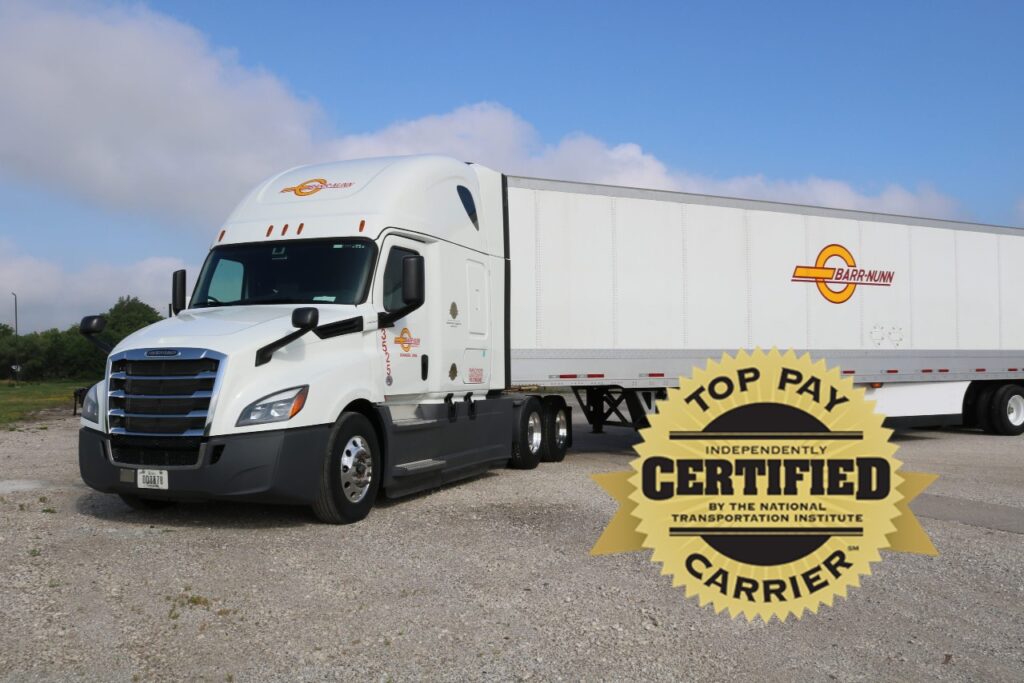
To learn more about Truck Driving options with a Certified Top-Pay Carrier, contact us at Barr-Nunn Transportation.

Drive for Barr-Nunn Transportation! Search Truck Driving Positions or Apply Now!

Why Team Truck Drivers Thrive at Barr-Nunn Transportation

Truck driving is more than a job; it’s a lifestyle, especially for team drivers. At Barr-Nunn Transportation, the experiences of team truck drivers reveal a deep appreciation for the unique opportunities and supportive environment provided by the company. These drivers not only traverse the country’s highways together but also share a bond that’s nurtured by the road and respected by their employer. Read testimonials from our team drivers about what sets Barr-Nunn apart from other trucking companies.

Top Reasons Team Drivers Love Being at Barr-Nunn

1. Economic Stability and Shared Experience

The decision to become a team truck driver often stems from the desire for a stable and lucrative career. At Barr-Nunn, drivers have found that team driving is not just financially rewarding but also an opportunity to share the highs and lows of life on the road with someone close. For couples, it’s a chance to work and travel together, turning their truck into a home away from home. This unique setup allows them to not just earn together but also strengthen their relationship.

“Barr-Nunn has proven to meet all of its promises — like better pay and better hometime as well as freight that keeps us moving.”

“I get to work with my brother earning better money for our prospective families.”

“More miles equal more pay. Also having a second pair of eyes is helpful when avoiding tight situations.”

2. Favorite Aspects – Beyond Just Driving

Team drivers at Barr-Nunn enjoy more than just the open road; they relish the company of their driving partner. Whether it’s a spouse, friend, or colleague, having someone to share the journey makes each mile more enjoyable. The sense of companionship and partnership in facing the challenges of the road is a significant aspect of their job satisfaction. The beauty of the landscapes, the diversity of the cities they pass through, and the shared sense of accomplishment in timely deliveries add layers of fulfillment to their roles.

“Beautiful experience to drive throughout the States with someone that I love. The more miles we drive; the more of life we see and the more money we gain as we go.”

“The sense of relief that comes with driving with someone you trust. There’s also some comfort in knowing that if there’s ever any issue you have someone that can always give a helping hand.”

3. Dedication for Driver Well-Being

What sets Barr-Nunn apart from other trucking companies for these drivers is the company’s commitment to honesty, respect for personal time, and recognition of their hard work. Drivers appreciate the competitive pay, but more importantly, they value how the company treats them like family. The respect for work-life balance, understanding of the importance of home time, and the top-notch condition of equipment demonstrate Barr-Nunn’s dedication to their drivers’ well-being and professional success.

“Barr-Nunn is unlike any other company my husband and I have dealt with. We are not numbers, we are always treated with respect. Our team leader, Nathan, is outstanding which makes us want to do a good job for him. We could go on but that should sum it up.”

“Barr-Nunn is honest, truly cares about the driver, a company that prioritizes safety, recognizes driver effort with great pay, awards, and gets driver home, honors home time request.”

Advice for New Team Drivers:

Seasoned drivers at Barr-Nunn have a wealth of advice for newcomers. They emphasize the importance of communication, not just with each other but also with dispatch and management. Staying professional, setting shared goals, and practicing patience are key to a harmonious working relationship. They also stress the importance of safety and the need to support each other through challenges. The ethos of Barr-Nunn, as echoed by its drivers, is one of mutual respect, hard work, and teamwork.

“In this industry, the better you communicate, the better opportunity you have for achieving your goals.”

“Help each other. It isn’t a competition of who knows more, it is an effort on both parts to share knowledge to make each other better drivers.”

“Do your best to try and keep a schedule but at the same time be flexible for more earnings opportunities. “

Conclusion

Driving for Barr-Nunn Transportation is more than a career; it’s a journey filled with adventure, companionship, and growth. These drivers’ stories reflect a company culture that values not only economic benefits but also human connection and professional respect. It’s a place where every mile on the road contributes to building a rewarding career and a fulfilling life.

To learn more about Truck Driving options with a Certified Top-Pay Carrier, contact us at Barr-Nunn Transportation.

Drive for Barr-Nunn Transportation! Search Truck Driving Positions or Apply Now!

How to Place Emergency Triangles on the Road

A disabled truck—either due to mechanical problems or as a result of an accident—can create a very dangerous situation. After all, stopping on the side of the highway, especially in poorly lit areas or in poor visibility due to weather or on a winding road, creates a very high-risk situation both for you as a truck driver and for other vehicles on the roadways. Thankfully, emergency triangles and their proper placement can make a risky situation safer. Prompt and proper emergency triangle placement can save your life or the life of someone else on the road.

Understanding Emergency Triangles: How to Place Emergency Triangles

FMCSA guidelines require all commercial motor vehicle drivers stopped on the shoulder of a highway to place warning devices in the form of emergency triangles on the roadway within 10 minutes of them pulling over or as quickly as possible. Consequently, all commercial truck drivers are required to carry three emergency triangles to place when they are stopped.

The proper placement of these devices is just as important as placing them in the first place as their proper spacing will ensure a truck is seen quickly and the driver and emergency personnel are visible while waiting for a tow or other form of help. Barr-Nunn proudly supports and promotes all federal and state regulations when it comes to making highway and roadway travel safer with proper safety device placement. The following is a helpful breakdown of the proper placement:

Two Lane Roads

  • Place one triangle 10 ft in front of the vehicle on the side of the oncoming traffic.
  • Place one triangle 10 ft behind the vehicle on the side of oncoming traffic.
  • Place one triangle 100 ft behind the vehicle in the center of the lane in which the vehicle occupies.

Divided Highways and One-Way Roads

  • Place one triangle 10 ft. behind the vehicle on the same side as the oncoming traffic.
  • Place one triangle 100 ft behind a vehicle in the center lane the vehicle occupies.
  • Place one triangle 200 ft behind the vehicle in the center of the lane being occupied.

Obstructed Vehicle, Poor Visibility

  • Place one triangle 100 ft ahead of the vehicle.
  • Place one triangle 10 ft behind the vehicle on the side of oncoming traffic.
  • Place one triangle between 100 ft and 500 ft down the road to provide increased warning for vehicles coming up on your truck.

When to Use Emergency Triangles

You should never stop on the side of the road unless it is necessary due to mechanical issues or other problems. Switching drivers, taking rest breaks, and adjusting navigation is not an adequate reason to pull off the roadway and should instead be completed in a legal parking location. The following are the most common applicable reasons you might need to place emergency triangles:

  • Breakdowns and mechanical failures
  • Accidents and collisions
  • Roadside emergencies

Ensuring Personal Safety

You as a driver want to make your truck as visible as possible when it is stalled or broken down on the shoulder of a roadway. Therefore, keep the following in mind to ensure your safely going about this process:

  1. Begin the process by turning on your four-way flashers, making yourself more visible while you place the emergency triangles.
  2. Wear reflective clothing when putting up the emergency triangles or other gear or collecting them. This increases your visibility, thus making you safer.
  3. Make sure the triangles are set up with reflective side facing oncoming traffic so that the design works to promote visibility.
  4. Contact help and other drivers. Let other drivers in the area know what is going on, so they can be sure to slow down and maintain a safe distance. You should also call for help to get your truck up and moving as soon as possible, reducing the time you are on the side of the roadway.

Common Mistakes to Avoid

While the regulations are pretty straightforward, even simple and seemingly minute mistakes can relegate emergency triangles nearly useless. Therefore, it’s important to avoid common mistakes that can reduce their benefits and purpose.

  • Incorrect Placement: The placement that is outlined by safety standards, as well as changing them based on situations and types of roads, ensures that the triangles do the most good. Therefore, placing them improperly can mean you aren’t getting the most benefit from their presence.
  • Insufficient Distance: As you know, as a truck driver, you need time to get over in another lane, it can’t happen instantaneously. Unfortunately, a common mistake that is seen with emergency triangles is insufficient distance, meaning the triangles are placed too close to the truck itself, not giving other motorists adequate time to move over.
  • Neglecting to Activate Hazard Lights: While the emergency triangles are important to be sure, you should also activate your hazard lights when placing them to further promote visibility.

Barr Nunn’s Commitment to Safety Through Proper Emergency Triangle Placement

The information above outlines exactly how to place emergency triangles if you find yourself stranded on the side of the road. It’s important that you practice the placement and know all the proper procedures for each situation before you find yourself facing them in a real-life scenario. Thankfully, at Barr-Nunn Transportation we are committing to continued training on everything related to driver safety including proper emergency triangle placement and procedures.

To learn more about Truck Driving options with a Certified Top-Pay Carrier, contact us at Barr-Nunn Transportation.

Drive for Barr-Nunn Transportation! Search Truck Driving Positions or Apply Now!

Hidden Gems on the Eastern U.S.A. Trucking Routes

Hey, seasoned road warriors! If you’re hauling with Barr-Nunn Transportation on the East Coast, get ready for a journey beyond the ordinary. We’re about to uncover the hidden gems along your trucking routes that will turn your routine trips into memorable adventures!

The Scenic Coastal Routes

Rolling Waves and Endless Horizons

Get your cameras ready! We’re diving into the breathtaking landscapes lining the Atlantic Ocean. From coastal cliffs to serene beaches, these scenic routes will make you appreciate the beauty of the open road.

  • I-64 to West Virginia: Traverse the scenic journey along I-64 to West Virginia, where rolling hills and lush green landscapes accompany your drive, providing glimpses of the Appalachian beauty that characterizes this route.
  • Blue Ridge Parkway, Virginia, and the Carolinas: Embark on the mesmerizing Blue Ridge Parkway as it winds through Virginia and the Carolinas, treating travelers to breathtaking vistas of the Blue Ridge Mountains, vibrant fall foliage, and opportunities to explore charming overlooks and hiking trails.
  • Ocean Drive, Newport, Rhode Island: Cruise along Newport’s Ocean Drive and experience the opulence of Gilded Age mansions, seaside cliffs, and panoramic ocean views, immersing yourself in the timeless charm of this coastal town.
  • Kancamagus Highway, New Hampshire: Take a journey through the heart of the White Mountains on the Kancamagus Highway, where winding roads lead to stunning overlooks, dense forests, and the beauty of New Hampshire’s natural landscapes, making it a must-drive for those seeking a scenic escape.

Stops and Attractions

Ever wanted to take a detour to a lighthouse or a quaint seaside town? We’ve got the deets on notable stops and attractions that will add a splash of excitement to your journey.

Balancing Act: Efficiency vs. Scenic Detours

We know time is money, but who says you can’t have both? Discover tips on balancing efficiency with those tempting detours. It’s all about making the most of your drive.

Historic Routes and Landmarks

Time-Travel on the Highway

Uncover the historical significance tucked away along your routes. From battlefields to iconic landmarks, history comes alive as you roll through these time-honored corridors.

Key Natural Landmarks

We’ve mapped out the must-see natural landmarks and points of interest for truckers who crave a dash of natural beauty with their cargo. Learn how to blend work with a cultural enrichment experience.

Work Hard, Culture Harder

Who says work can’t be fun? Dive into the local cultures and traditions you encounter on your routes. Your truck becomes a vessel for both goods and cultural appreciation.

Culinary Adventures on the Road

Beyond Fast Food: Local Cuisine Spotlight

Tired of the same old truck stop menu? We’re shining a light on the diverse and delicious local cuisines along the East Coast. Spice up your journey with flavors from around the region.

Trucker-Friendly Dining

Discover unique food stops that cater to truckers. From food trucks to hidden diners, find places where you can savor a good meal without worrying about parking space.

  1. Iron Skillet – Kenly, North Carolina
    Address: 923 Johnston Pkwy, Kenly, NC 27542
    Situated at the Kenly 95 Petro truck stop, Chrome Grill is popular among truckers for its classic American menu and trucker-friendly amenities.
  2. Whiskey Joe’s Bar & Grill – Tampa, Florida
    Address: 7720 W Courtney Campbell Causeway, Tampa, FL 33607
    Located near the Port of Tampa, Whiskey Joe’s offers a relaxed atmosphere, seafood, and waterfront views. It has parking suitable for trucks.
  3. Tamarack’s Best of West Virginia – Beckley, West Virginia
    Address: One Tamarack Park, Beckley, WV 25801
    Tamarack is a cultural center that includes a food court showcasing the best of West Virginia’s cuisine. It has truck parking and a variety of dining options.

Feast Your Way Across the East Coast

Trucking is not just a job; it’s a culinary adventure! Learn how to turn your meal breaks into a diverse culinary experience that reflects the flavors of each state you pass through.

Quaint Towns and Cozy Truck Stops

Charming Small Towns

Navigate your way through charming small towns that offer a break from the hustle and bustle. Experience local hospitality and discover the stories behind these hidden gems.

  • St. Michaels, Maryland
    • Nestled on Maryland’s Eastern Shore, St. Michaels is a picturesque town known for its historic charm, waterfront views, and maritime heritage. Visitors can explore the Chesapeake Bay Maritime Museum and enjoy the town’s quaint streets lined with shops and eateries.
  • Woodstock, Vermont
    • With its classic New England charm, Woodstock is a postcard-perfect town in Vermont. Visitors can stroll along the village green, explore the historic covered bridges, and experience the small-town warmth of this quintessential Vermont community.
  • Beaufort, South Carolina
    • Beaufort is a Southern gem known for its antebellum architecture, Spanish moss-draped oak trees, and historic charm. Take a walking tour of the historic district, enjoy waterfront views, and experience the laid-back hospitality of this Lowcountry town.
  • Jim Thorpe, Pennsylvania
    • Nestled in the Pocono Mountains, Jim Thorpe is a charming town with Victorian architecture, boutique shops, and scenic surroundings. Known for its outdoor recreational opportunities, visitors can explore the Lehigh Gorge Scenic Railway or hike along the nearby trails.
  • Mystic, Connecticut
    • Mystic exudes maritime charm with its historic seaport and aquarium. This New England town offers a blend of history, nautical heritage, and a quaint downtown. Explore the Mystic Seaport Museum, stroll along the river, and enjoy seafood at local eateries.

Cozy Truck Stops with Amenities

We know a comfy rest stop can make all the difference. Find out about cozy rest stops that go beyond the basics, providing amenities to make your breaks more enjoyable.

Community Connection

Become a part of the communities you traverse. Learn how community engagement can turn your pit stops into meaningful connections, fostering a sense of camaraderie on the road.

Conclusion

As you wrap up this guide, reflect on the richness of experiences awaiting you along the East Coast trucking routes. It’s not just about the destination; it’s about the journey itself.

Truckers, don’t just drive; embrace the adventure! We encourage you to go beyond the highways, explore the hidden gems, and make each trip a story worth telling.

As you hit the road again, remember that the East Coast is not just a series of routes; it’s a treasure trove waiting to be discovered. Happy trucking, and may your journeys be filled with hidden gems and memorable moments!

To learn more about Truck Driving options with a Certified Top-Pay Carrier, contact us at Barr-Nunn Transportation.

Drive for Barr-Nunn Transportation! Search Truck Driving Positions or Apply Now!

Tips for Organizing Your Semi-Truck Cab

Navigating the highways and byways of this vast country can be both thrilling and challenging, and we understand that keeping your semi-truck cab organized is no small feat. A clutter-free cab not only enhances your efficiency on the road but also contributes to a safer and more enjoyable driving experience. In this blog post, we’ll explore some tried-and-true tips to help you master the art of organizing your semi-truck cab like a pro.

1. Declutter Your Workspace

Let’s start with the basics – a clutter-free workspace is a productive workspace. Begin by removing any unnecessary items that may have accumulated over time. Old paperwork, empty containers, or worn-out gear can easily clutter your cab and make it feel cramped. Streamline your essentials and create designated spaces for each item to avoid unnecessary rummaging during your journeys.

2. Invest in Storage Solutions

Maximize the limited space in your semi-truck cab by investing in storage solutions tailored to the trucking lifestyle. Consider hanging organizers, storage bins, or collapsible crates to keep items neatly in place. Utilize wall-mounted pockets for easy access to documents, logbooks, and maps. A well-organized cab not only looks professional but also contributes to a stress-free environment.

3. Optimize Sleeper Area

For long-haul truckers, the sleeper area is your home away from home. Keep it cozy and organized by investing in storage solutions designed for the sleeper berth. Use under-bed storage containers to stow away personal items, bedding, and clothing. Consider using hooks or hangers for hanging garments to prevent wrinkles and save space. A well-organized sleeper area ensures you have a comfortable and relaxing space to recharge during those essential rest stops.

4. Cable Management Matters

With the myriad of electronic devices essential for modern trucking, cables can quickly become a tangled mess. Invest in cable organizers or Velcro ties to keep charging cables, GPS cords, and other wires in check. Not only does this make your cab look neater, but it also prevents distractions and potential safety hazards.

5. Label Everything

Efficiency is the key to success on the road, and labeling can be a game-changer. Clearly label storage bins, containers, and compartments to quickly locate items when needed. This simple step saves time and frustration, allowing you to focus on the road ahead instead of searching for that elusive tool or paperwork.

6. Regular Cleaning Routine

Maintaining a clean cab is not just about aesthetics; it’s also about creating a healthy and pleasant environment. Develop a routine for cleaning your semi-truck cab, including wiping down surfaces, vacuuming, and emptying trash regularly. A clean cab not only contributes to your well-being but also reflects positively on your professionalism.

7. Prioritize Safety

Organizing your semi-truck cab isn’t just about convenience; it’s also about safety. Ensure that essential items like first-aid kits, emergency tools, and safety gear are easily accessible. Regularly check that all safety equipment is in good condition, and replace any expired items promptly.

Conclusion

Mastering the art of organizing your semi-truck cab takes time and effort, but the benefits are well worth it. A well-organized cab enhances your efficiency, safety, and overall driving experience. As you hit the open road, take these tips to heart and turn your cab into a well-ordered haven. Safe travels, and may your journeys be as organized as they are adventurous!

To learn more about Truck Driving options with a Certified Top-Pay Carrier, contact us at Barr-Nunn Transportation.

Drive for Barr-Nunn Transportation! Search Truck Driving Positions or Apply Now!

What It Means to Be a Dedicated Truck Driver

The world of trucking is a vast and dynamic industry, with countless roles that keep the wheels of commerce turning. Among these roles, dedicated truck drivers play a vital part in ensuring goods reach their destination efficiently and safely. In this blog, we’ll explore the life of a dedicated truck driver, shedding light on the responsibilities, challenges, and perks that come with this unique profession.

Understanding Dedicated Truck Driving

What is a dedicated truck driver?

Dedicated truck drivers are an important part of the backbone of the transportation industry. They are professionals responsible for transporting goods along specific routes for a single company or client. Unlike long-haul truckers who travel cross-country, dedicated drivers often operate within regional or local areas. They are the steady hands that keep supply chains running smoothly.

The role and responsibilities of dedicated drivers

Dedicated drivers are tasked with several responsibilities, including loading and unloading cargo, inspecting their vehicles, planning efficient routes, and ensuring timely deliveries. These drivers become intimately familiar with their routes, customers, and cargo, forming a crucial link in the chain that connects manufacturers to retailers and consumers.

Benefits and Challenges

The advantages of being a dedicated driver

  1. Job security and stability: One of the most appealing aspects of dedicated truck driving is the job security it offers. Companies rely on their dedicated drivers to maintain reliable routes, ensuring a steady flow of products. This stability often comes with better pay and benefits.
  2. Predictable schedules: Dedicated drivers often enjoy consistent schedules, allowing them to plan their lives more effectively. This predictability is especially appreciated by those looking to spend more time with family or pursue personal interests.
  3. Equipment and support: Dedicated drivers often work with well-maintained, top-of-the-line equipment. They also benefit from strong relationships with their clients, leading to better support, and resources to get the job done.

The challenges of the dedicated truck driving profession

  1. Monotony and routine: While predictability is a benefit, it can also become a drawback for some dedicated drivers. The daily grind of following the same routes and schedules can lead to monotony, making it essential to find ways to keep the job interesting.
  2. Handling customer-specific requirements: Each customer has unique needs and expectations. Dedicated drivers must be adept at adapting to these requirements, whether it’s ensuring timely deliveries to a just-in-time manufacturer or dealing with specific loading and unloading processes.
  3. Managing time away from home: Even with more predictable schedules, dedicated drivers often spend nights on the road, away from the comforts of home. Balancing work and personal life can be a challenge, and it’s essential to have a support system in place.

Life as a Dedicated Driver

Daily routines and schedules

The life of a dedicated driver typically revolves around strict routines. They often start their day early, perform pre-trip inspections on their trucks, and embark on their routes. During the day, they navigate traffic, meet delivery deadlines, and ensure the safe transportation of goods. Nights are spent in truck stops or rest areas, making the truck cabin their temporary home.

Experiences of dedicated drivers

How to thrive in the dedicated truck driving lifestyle: Thriving in this profession often requires a combination of dedication, adaptability, and a passion for the open road. Many dedicated drivers find ways to stay engaged by listening to audiobooks, podcasts, or learning new skills during their journeys.

Specialization and Industry Trends

Specialized dedicated truck driving roles

Dedicated drivers often have opportunities to specialize in certain types of cargo. Some may transport hazardous materials, while others become experts in handling temperature-sensitive freight like perishable goods. This specialization can lead to higher pay and increased demand for their expertise.

Emerging trends in the dedicated trucking industry

  1. Technology and automation: The trucking industry is experiencing a technological revolution, with automation and telematics systems becoming more prevalent. Dedicated drivers may need to adapt to these new tools, improving efficiency and safety.
  2. Sustainability and green logistics: As environmental concerns grow, companies are increasingly looking for ways to make their supply chains more eco-friendly. Dedicated drivers may find themselves transporting goods using electric or hybrid vehicles, contributing to a greener future.

Training and Qualifications

Requirements to become a dedicated driver

To embark on a career as a dedicated truck driver, you typically need a commercial driver’s license (CDL). The specific requirements may vary depending on your location, the type of cargo you plan to transport, and your employer’s preferences. Generally, you’ll need to meet age and health requirements and pass written and practical exams.

Recommended training and certifications

While a CDL is the foundation, additional training and certifications can make you a more competitive candidate and a safer driver. Consider obtaining endorsements for specialties like hazmat or tanker hauling. Defensive driving courses can also enhance your skills and safety on the road.

Career Opportunities and Advancement

Growth prospects for dedicated drivers

Dedicated drivers often enjoy solid job security, but there are opportunities for growth within this career. Experienced drivers may have the chance to move into supervisory roles or become driver trainers, sharing their knowledge with newcomers. They can also explore opportunities with different companies or industries.

Opportunities for career advancement

Career advancement for dedicated drivers can lead to becoming a dispatcher, fleet manager, or even an owner-operator with their trucking business. The skills and insights gained on the road can be invaluable for these roles.

Conclusion

In conclusion, the life of a dedicated truck driver is a unique journey filled with both challenges and rewards. While it may not be a path for everyone, those who embrace the dedicated trucking lifestyle find job security, adventure, and the opportunity to contribute to the backbone of the economy. If you have a passion for the open road and a commitment to safety and reliability, a career as a dedicated truck driver might be the perfect fit for you. Embrace the challenges and savor the experiences, for the road less traveled often leads to the most extraordinary destinations.

To learn more about Truck Driving options with a Certified Top-Pay Carrier, contact us at Barr-Nunn Transportation.

Drive for Barr-Nunn Transportation! Search Truck Driving Positions or Apply Now!

What You Need to Know About DOT Physicals for Truck Drivers

In the world of trucking, safety is paramount. Ensuring that commercial drivers are physically fit to operate large vehicles on our roads is a crucial part of that safety equation. This is where the DOT (Department of Transportation) physical comes into play. If you’re a truck driver or aspiring to be one, understanding what a DOT physical is, what it entails, the new requirements, where to get one, its cost, and its validity period is essential. This comprehensive guide will address these questions and provide valuable insights into this vital aspect of your trucking career.

What is a DOT Physical?

A DOT physical, officially known as a “Department of Transportation Physical Examination,” is a mandatory medical evaluation designed to assess a commercial driver’s physical and mental fitness to safely operate a commercial motor vehicle (CMV). It is a standardized assessment that helps ensure the safety of both the driver and other road users.

What Does a DOT Physical Consist Of?

A DOT physical is a comprehensive examination that includes various elements to assess a driver’s overall health and fitness for the job. The examination typically includes the following components:

  1. Medical History Review: The medical examiner will inquire about your medical history, including any chronic illnesses, previous surgeries, or medications you are currently taking.
  2. Vision Test: A vision test will assess your visual acuity and peripheral vision. Corrective lenses, if required, are permitted to meet the vision standards.
  3. Hearing Test: A hearing test is conducted to determine your ability to hear a forced whisper at a distance of five feet or more. Hearing aids may be used to meet the hearing standards.
  4. Blood Pressure Measurement: Your blood pressure will be checked to ensure it falls within acceptable ranges.
  5. Physical Examination: A thorough physical examination will be performed to assess your general health, including checks for cardiovascular, respiratory, and musculoskeletal issues.
  6. Urine Sample: A urinalysis is typically conducted to check for underlying medical conditions, including diabetes.
  7. Drug and Alcohol Testing: You will also be required to undergo drug and alcohol testing, as mandated by federal regulations.

What Are the New DOT Physical Requirements?

The requirements for a DOT physical have evolved over time, with an emphasis on ensuring the health and safety of commercial drivers. As of an update in September 2021, the requirements included the following key elements:

  1. Vision: Commercial drivers must have at least 20/40 vision in each eye with or without correction. They must also have a field of vision of at least 70 degrees in the horizontal meridian.
  2. Hearing: The driver must be able to hear a forced whisper at five feet or more, with or without a hearing aid.
  3. Blood Pressure: The acceptable blood pressure range is typically 140/90 or lower. If your blood pressure is higher, you may receive a temporary certification and be required to manage it.
  4. General Health: You must be in reasonably good health, with no disqualifying medical conditions.
  5. Medications: Some medications may disqualify you, especially if they could impair your ability to drive safely.

**Please note that regulations can change, and it’s essential to verify the current requirements with the DOT or a certified medical examiner.

Medical Conditions that Disqualify You from a CDL:

Certain medical conditions may disqualify you from obtaining or renewing a Commercial Driver’s License (CDL) or passing a DOT physical. These conditions often relate to physical and mental health. Disqualifying medical conditions may include:

  1. Epilepsy or Seizure Disorders: Unless they are well-controlled and have no seizures for a specified period.
  2. Insulin Use: Diabetics who require insulin for control may be disqualified unless they meet specific criteria.
  3. Vision Issues: Severe vision problems that cannot be corrected to meet DOT standards.
  4. Hearing Loss: Profound hearing loss or inability to hear a forced whisper even with a hearing aid.
  5. Cardiovascular Issues: Severe heart conditions, especially those that could lead to sudden incapacitation.
  6. Psychiatric Conditions: Certain mental health conditions that could impair your ability to drive safely.
  7. Substance Abuse: A history of substance abuse or failed drug and alcohol tests.

Where Can I Get a DOT Physical?

You can get a DOT physical from a licensed and certified medical examiner. These medical professionals are specifically trained to perform DOT physicals and are familiar with the requirements and standards set by the Federal Motor Carrier Safety Administration (FMCSA). You can find a list of certified medical examiners on the FMCSA’s National Registry of Certified Medical Examiners.

How Much is a DOT Physical?

The cost of a DOT physical can vary depending on the location and the medical examiner’s fees. On average, you can expect to pay between $80 to $120 for the examination. Keep in mind that this cost does not include any additional drug or alcohol testing that may be required.

How Long Does a DOT Physical Take?

A DOT physical typically takes about 30 minutes to an hour to complete. The actual time may vary depending on the medical examiner’s schedule and any specific health issues or concerns that need to be addressed during the examination.

How Long Is a DOT Physical Good For?

The validity of a DOT physical certificate varies depending on your health and medical history. In most cases, a DOT physical certificate is valid for 24 months. However, if you have a medical condition that requires monitoring, the certificate may be issued for a shorter duration, and you may need to undergo more frequent examinations. Additionally, if you have a medical condition that poses a greater risk, you might receive a temporary certification with specific requirements for maintaining your qualification.

In conclusion, understanding the intricacies of DOT physicals is crucial for every truck driver. It ensures not only your safety but the safety of everyone else on the road. Keep in mind that regulations can change, so it’s essential to stay updated with the latest requirements and consult a certified medical examiner when it’s time for your DOT physical. Ultimately, staying in good health and meeting the standards set by the DOT is a fundamental part of being a responsible and safe truck driver.

To learn more about Truck Driving options with a Certified Top-Pay Carrier, contact us at Barr-Nunn Transportation.

Drive for Barr-Nunn Transportation! Search Truck Driving Positions or Apply Now!

How Truckers Can Build Connections in the Trucking Community

Are you a new commercial truck driver looking to build lasting connections within the trucking community? You’re in the right place! In this article, we’ll explore effective strategies and tips to help you connect with fellow truckers, share experiences, and become an integral part of the trucking community. Whether you’re a seasoned driver or just starting your trucking journey, building these connections can enhance your career and make life on the road more enjoyable.

Understanding the Trucking Community

To build connections within the trucking community, you must first understand what it represents. The trucking community is a diverse group of individuals with a shared passion for truck driving. It includes drivers of all experience levels, from rookies to seasoned veterans. Recognizing this diversity will help you relate to and connect with a wide range of people.

Engaging in Online Forums

Online forums dedicated to trucking are a treasure trove of information and an excellent platform for building connections. Websites like TruckersReport, Trucking Truth, and Team Run Smart offer a space for drivers to discuss industry trends, share experiences, and seek advice. Join these forums, participate in discussions, and contribute your insights to become a recognized member of the online trucking community.

Attending Trucking Events

Trucking events, such as truck shows and expos, are ideal places to meet fellow truckers face-to-face. These gatherings provide opportunities to network, exchange stories, and forge valuable connections. Keep an eye out for trucking events happening in your area and make an effort to attend them whenever possible.

You can find trucking events in your area by checking online event listings, following industry news, or joining local trucking forums where members often share event information.

Joining Social Media Groups

Social media has revolutionized the way we connect with others. Joining trucking-related groups on platforms like Facebook and LinkedIn can help you expand your network. Share your experiences, engage in conversations, and connect with fellow truckers who share your interests.

Participating in Convoy Drives

Convoy drives are not only a fun way to spend your time on the road but also an excellent opportunity to build connections. Join local convoy drives or charity events, and you’ll find yourself surrounded by like-minded individuals who are passionate about trucking just like you.

During a convoy drive, if you encounter difficulties, don’t hesitate to ask for help from fellow participants. Truckers are known for their willingness to assist each other in challenging situations.

Sharing Your Experiences

Every trucker has unique experiences to share, whether it’s an interesting route, a challenging delivery, or a valuable lesson learned on the road. Sharing your experiences through blogs, vlogs, or social media can help you connect with other truckers who can relate to your journey.

Being a Reliable Resource

Building connections often involves being a source of help and information for others. When you offer assistance or guidance to fellow truckers in need, you establish yourself as a reliable resource in the community. This can lead to lasting connections and a sense of fulfillment in helping others.

Helping Fellow Truckers

Whether it’s lending a hand with a mechanical issue or offering a listening ear during a tough time, helping your fellow truckers can create strong bonds within the community. Acts of kindness and support go a long way in building trust and connections.

Contributing to Industry Publications

Consider writing articles or sharing your expertise in industry publications. This not only showcases your knowledge but also positions you as an authority in the trucking field. Your contributions will be appreciated by fellow truckers seeking valuable insights.

To start contributing to industry publications, reach out to the editors and express your interest. Prepare a sample article or blog post showcasing your expertise to demonstrate your writing skills.

Staying Informed and Adapting

The trucking industry is constantly evolving. Stay informed about industry trends, regulations, and technological advancements. Being adaptable and open to change will make you more relevant and valuable to the trucking community.

Balancing Connection Building with Your Work Schedule

Balancing work and community involvement can be challenging. Try to allocate some time each week for community-building activities, whether it’s online discussions, attending events, or simply connecting on social media during breaks.

Conclusion

Building connections within the trucking community is not only beneficial for your career but also enriching for your personal life. By engaging with fellow truckers, sharing experiences, and contributing to the community, you can become an integral part of this passionate and supportive network.

By following these tips and actively participating in the trucking community, you’ll find yourself surrounded by supportive peers who share your passion for truck driving. These connections will not only make your trucking journey more enjoyable but also open doors to new opportunities in your career.

To learn more about Truck Driving options with a Certified Top-Pay Carrier, contact us at Barr-Nunn Transportation.

Drive for Barr-Nunn Transportation! Search Truck Driving Positions or Apply Now!

9 Time Management Tips for Truck Drivers

Time management is crucial for truck drivers who spend long hours on the road, often facing tight schedules and delivery deadlines. Efficient time management not only ensures timely deliveries but also promotes safety and reduces stress.

Here are 9 helpful time management tips for truckers:

  1. Plan your route and schedule
  2. Prioritize safety
  3. Pre-trip inspections
  4. Optimize rest breaks
  5. Utilize technology
  6. Stay organized
  7. Minimize distractions
  8. Time-blocking
  9. Learn from experience

In this article, we’ll discuss these time management tips that can help truck drivers make the most of their time on the road.

1. Plan Your Route and Schedule

One of the first and most essential steps in effective time management for truck drivers is planning. Before hitting the road, carefully plan your route and schedule. Use GPS or route planning apps specifically designed for truck drivers, which consider factors like truck size, weight limits, and road restrictions. Knowing your route in advance can help you avoid unexpected delays and optimize your driving time.

2. Prioritize Safety

Safety should always be the top priority for truck drivers. While it may seem counterintuitive to time management, ensuring safety actually saves time in the long run. Adhering to speed limits, taking regular breaks, and getting enough rest are all essential for staying safe and avoiding accidents that can cause significant delays.

3. Pre-Trip Inspections

Conduct thorough pre-trip inspections before hitting the road. Checking your truck’s mechanical condition, tires, brakes, and fluids can help you identify potential issues early on, preventing breakdowns that could lead to unplanned downtime. A well-maintained truck is a reliable one, which is essential for staying on schedule.

4. Optimize Rest Breaks

Truck drivers are required to take mandatory rest breaks, and these can be an excellent opportunity to manage your time effectively. Plan your rest breaks strategically, so you can take care of personal needs, grab a quick meal, and restock supplies without wasting too much time. Use technology to find nearby truck stops and rest areas, which can save you valuable minutes.

5. Utilize Technology

Modern technology has revolutionized the trucking industry, making it easier for drivers to manage their time. Invest in a reliable GPS system, ELD (Electronic Logging Device), and mobile apps that can help you with navigation, track your hours of service, and monitor traffic conditions in real time. These tools can help you make informed decisions and adjust your route if necessary.

6. Stay Organized

Maintaining an organized truck cabin can significantly improve your time management. Keep important documents, such as your logbook and shipping documents, well-organized and easily accessible. Use storage solutions like bins and shelves to keep your belongings in order, so you don’t waste time searching for things when you need them.

7. Minimize Distractions

Distractions can eat up precious time on the road. Avoid using your phone while driving, and if you must take a call, use a hands-free device. Limit the use of in-cabin entertainment systems to your rest breaks, and don’t let them interfere with your driving schedule. By minimizing distractions, you can stay focused on the road and your schedule.

8. Time-Blocking

Time-blocking is a time management technique that involves scheduling specific blocks of time for different tasks or activities. As a truck driver, you can use time-blocking to allocate time for driving, rest breaks, meal stops, and administrative tasks. Having a clear schedule can help you stay organized and on track throughout your journey.

9. Learn from Experience

Finally, one of the best ways to improve your time management skills as a truck driver is to learn from your experiences. Keep a journal of your trips, noting any challenges, delays, or unexpected issues you encounter. Over time, you can use this information to refine your planning and decision-making, ultimately becoming a more efficient and effective driver.

Conclusion

Effective time management is essential for truck drivers to meet their delivery deadlines, ensure safety, and reduce stress on the road. By following these nine time management tips, you can make the most of your time behind the wheel, stay organized, and become a more successful and efficient truck driver. Remember that good time management not only benefits you but also contributes to the overall efficiency and reputation of your trucking company.

To learn more about Solo Truck Driving options with a Certified Top-Pay Carrier, contact us at Barr-Nunn Transportation.

Drive for Barr-Nunn Transportation! Search Truck Driving Positions or Apply Now!