What CDL Truck Drivers Should Know About Mountain Driving

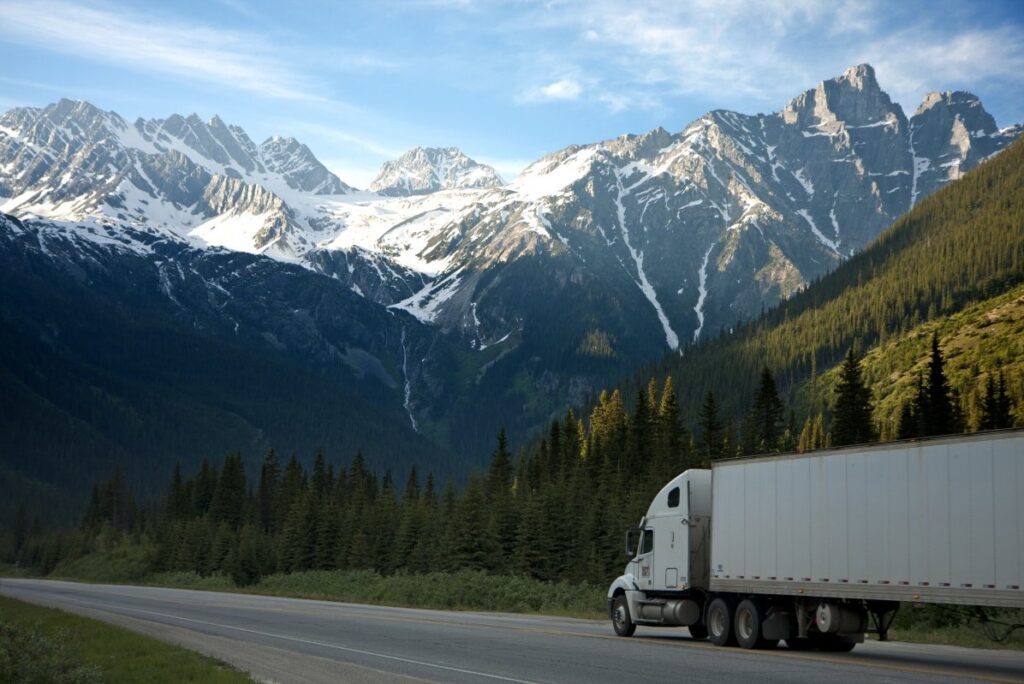
Driving on mountainous roads is not easy for any driver. However, when you are operating a big rig truck, this can be even more challenging. Read on to learn more about the potential dangers of mountain driving and how to counteract these risks and stay safe, even on mountain roadways:

Potential Dangers of Mountain Driving

Mountain roads are scenic and beautiful, but they can also be deadly if not given the respect they are due. The first step is knowing the risks, which include the below factors:

  • Downgrades due to steep grades mean you might have to use your gears and your brakes a lot when driving down mountain regions. Overheating brakes is one of the most common dangers associated with severe downgrades like those found through mountain passes.
  • Bad weather, like ice, snow, or even rain can make mountain roads slick, and severe winds can cause significant problems.
  • Blind curves and narrow roads with little to no shoulder are just part of mountain driving. These are factors all big rig drivers need to be aware of before hitting the roadway.
  • Believe it or not road rage from drivers who want to get around your rig can be more likely when driving on narrow mountain roads, even with the enhanced dangers of passing.

How to Prepare

Driving safely up, around, and down mountains begin with great preparation. Ask yourself: What should I do before driving in mountains? Or what safety precautions should you take when driving in mountains? Keep the following tips in mind to ensure you are well-prepared for any challenge you might face on mountain roadways:

  • Check the weather where you plan on traveling. While sometimes the weather can get nasty quickly and without much warning, if you know that bad weather is coming, you might be able to find another route to get you to your destination. If not, it will at least ensure you know what you will be facing and be prepared.
  • Make sure that you have your tire chains at the ready. This is especially important when your route includes mountain roads where snow and ice can make them particularly treacherous.
  • Maintain your truck’s engine and brakes. As mentioned above, the grades on mountain roads are hard on brakes and your engine. Therefore, make sure that you are properly maintaining these elements of your truck and that they are working as they should before you attempt a mountain route.

Tips for Truck Driving in the Mountains

Read below for more tips on how to safely drive on mountains:

  • Pay attention to grading. A major cause of accidents is not knowing the grade of a road. If you are not familiar with the area already, make sure to look for the grade sign. This percentage will give you an idea of what speed is safest to use when either climbing or descending a mountain. In most cases, you need to stay in lower gear during this process.
  • Go slow and use the appropriate gear. Another way to stay safe on mountain roads is using the right equipment like snow chains and going slow. Always match your speed to the current road conditions and the mountain grade to stay safe. Slow and steady wins the race when it comes to making it safely over a mountain in a big rig.
  • Watch for curves ahead. Mountain roads are notorious for blind curves. When traveling these mountain passes, keep in mind that there will be curves ahead, and ensure that your speed is appropriate to navigate them safely.
  • Don’t overuse brakes. Many drivers make use of the jake brake and only touch their brake pedal occasionally. When you maintain a slow speed and have allowed for the grade percentage, you shouldn’t have to hold down the brakes.
  • Don’t tailgate. Although it can be difficult to avoid, especially on narrow roads where passing is sometimes impossible, it’s important to never tailgate. You don’t want to find yourself unable to stop and hit someone who is moving slower than you.
  • Turn on hazards. If you want to ensure that other drivers know you are doing your best to maintain a slow and safe speed, which might not always be to their liking, turn on your hazards. This is also a good idea if you find yourself in rainy, snowy, or foggy conditions as it will make you more visible to other drivers.
  • Use a runaway lane. When absolutely necessary, use the runaway lane if you find yourself out of control of your rig. While it might not be what you want to do, it can save your life.

Drivers Also Ask

What is the most common danger of mountain driving for truckers?

The most common danger for truckers driving on mountain roads is overheating the brakes, especially when descending steep grades. Constant braking on long downgrades can cause the brakes to lose their effectiveness, potentially leading to accidents. To prevent this, truckers should use engine braking, gear down, and avoid riding the brakes.

How do truck drivers prepare for driving in the mountains?

Truck drivers prepare for mountain driving by checking the weather, maintaining their vehicles, especially the brakes and engine, and ensuring they have the necessary equipment like snow chains. Additionally, they familiarize themselves with the grades and conditions of the roads they’ll be driving on and make sure they’re aware of any blind curves or narrow roads.

Why is it important for truckers to use lower gears on mountain roads?

Using lower gears on mountain roads helps truckers control their speed without overusing the brakes. This reduces the risk of brake failure due to overheating, which is especially important on steep downgrades. Lower gears also provide more engine braking, allowing for smoother descents.

What are runaway lanes, and when should a trucker use them?

Runaway lanes are emergency lanes on steep mountain roads designed for vehicles, particularly trucks, that have lost control or their brakes have failed. Truckers should use these lanes immediately if they cannot slow down or stop their vehicle using their brakes, as runaway lanes can prevent serious accidents.

How can bad weather affect truck driving on mountain roads?

Bad weather, such as rain, snow, or ice, can make mountain roads extremely slick and dangerous for truckers. Snow and ice, in particular, reduce traction, making it difficult to control a truck’s speed and direction. Additionally, severe winds can make steering more challenging, especially in exposed mountain areas. This is why checking the weather and having snow chains ready is crucial for mountain driving.

Why are mountain roads challenging for truck drivers?

Mountain roads present unique challenges for truck drivers due to their steep grades, sharp curves, narrow lanes, and variable weather conditions. These factors require truckers to navigate carefully and adjust their speed frequently. The combination of long downhill stretches and difficult weather conditions like snow or rain can also increase the risk of brake failure, making these routes particularly demanding.

Keep the tips listed above in mind to stay safe as a CDL truck driver navigating dangerous mountain roadways.

What is No-Touch Freight?

As a new truck driver, you will be deciding between no-touch and traditional freight driving jobs, or those you do not unload or load yourself. Consider the following information about no-touch freight for a better understanding of what this means within the trucking industry.

What Does No-Touch Freight Mean?

When a type of freight is described as no-touch, this simply means that the truck driver does not load or unload their freight themselves. It could imply that warehouse employees load or unload the freight while it is parked at a loading dock or could mean that the driver simply drops and hooks freight at a trucking company with a large trailer and container pods. Either way, the truck driver is not responsible for the loading and unloading process. Instead, they pull up and have their load hooked to their truck or they pull in and have it unhooked.

Common Types of No-Touch Freight

No-touch freight can be any type of freight that the trucker driver isn’t responsible for loading or unloading. However, in some cases, no-touch freight is labeled as such because the loads themselves are dangerous, perhaps containing dangerous goods, gasses, or toxic chemicals.

These special loads require highly qualified individuals to handle them. Therefore, a driver would have to possess specific qualifications to meet the Federal Hazardous Materials Regulations.

Consequently, in some cases, no-touch freight is the result of this type of material that requires specifically trained handling. Other times, it’s simply freight that is unloaded or loaded before the trucker gets there to reduce the time it takes to get a load heading towards its destination.

Benefits of No-Touch, Drop-and-Hook Loads

There are many benefits of no-touch or drop-and-hook loads in comparison to a driver loading or unloading their own freight. The following are some of the most applicable:

  • Less liability for the driver: When a driver isn’t responsible for loading or unloading their own freight, this means they are not liable for any damages that happen during this process. Operating a no-touch freight truck is a great option for drivers who do not want the added liability of dealing with elevated platforms, heavy cargo, or the use of dock ramps or forklifts.
  • More time efficient: Because a driver can pull in with a load already ready to go out, or pull in and then leave their freight to be unloaded, it frees up the driver’s time to get onto the next trip.
  • Time to relax: No-touch freight also gives drivers an opportunity to relax, call home, or take care of other duties while their trailer is being either loaded or unloaded. This pause in the action can be a valuable resource for a driver who has been on the road for hours.
  • Less physical stress: Not having to worry about lifting or moving freight is less physically taxing on drivers. Therefore, especially if a driver has physical limitations, no-touch freight can be a way they can still enjoy the profession of trucking.

Find a No-Touch Freight Trucking Company

Once you determine that no-touch freight is a good option for you as a truck driver, you will want to look for a trucking company that has this type of freight hauling as an option. Some companies offer a no-touch freight option for 100% of their trucks, while others don’t have that option for the entire fleet. Keep in mind that removing the touching element of freight hauling will mean that you only focus on driving. You won’t get any physical activity from loading or unloading. If that sounds like what you are looking for, simply inquire about no-touch freight jobs at Barr-Nunn Transportation.

Interested in driving for Barr-Nunn Transportation? Search Driving Positions or Apply Now!

You may also enjoy What are Drop-and-Hook Trucking Jobs?

Tips for How to Balance Truck Driving and Family Life

Truck driving can be an exciting way to make a living and see the country, simultaneously. Unfortunately, due to the demands of the industry, being gone for days, weeks, or months at a time is likely for a truck driver. This can negatively impact family life for the entire family unit. Thankfully, the following tips represent ways you can actively change this narrative and better balance truck driving and family life:

How Long Are Drivers on the Road?

Before delving deeper into improving work-life balance for trucking families. There are two main options when it comes to joining the trucking industry, being a regional driver or an over-the-road (OTR) driver. In most cases, newer truck drivers in the industry will begin as OTR drivers at least for their first year. Most trips will range between five and seven days, with truckers going home for one day per every seven days worked. Of course, some trips will be longer and last weeks at a time and others will be shorter. It all depends on the type of driver you are and what company for which you are working.

Tips on Balancing Truck Driving and Family Life

1. Make the Most of Home Time

All parents are tired when they can get home from work, and this is especially true for the trucker who has been on the road for days or weeks. However, when you are home, it’s immensely important that you make the most of your time off with your family. Go to local parks, go get ice cream, take them to and from school, go to all their sports events, etc. Just try to be as involved as possible with the time you have.

2. Work Towards a Predictable Schedule

If possible, speak with the company you are working for and aim to create a more predictable schedule. Sometimes, this is impossible, other times it is doable. The only way to know is to ask and then do what is necessary to get your hours more predictable where your family can plan around your work days.

3. Keep in Touch with Tech

Thankfully, today, unlike in previous years, you can actually keep in touch with your family no matter how many miles away from them you are at the time. FaceTime, Zoom, texts, voice messages, pictures, etc. can all be sent from you to your family and vice versa to keep the connection healthy between all the family members, even when you are away from home working. Many families find it easiest to schedule a set time of day to communicate with their loved one, others rather it being spontaneous, either way, as long as you make an effort, you are maintaining that family connection, even hundreds or thousands of miles away.

4. Become a Local Driver or Owner Operator

If it’s feasible, you can become a local driver or owner-operator. This will mean that those long weeks or months on the road simply aren’t required. You can instead stay close to your family and still enjoy a career you love. Being an owner-operator also allows you to set your own schedule, so even when you do have to be on the road, you can better plan these trips around your big family events.

5. Ask Family Members or Close Friends to Help with Home Tasks

If you do have to leave for days, weeks, or months at a time and know your family will need help with specific household tasks, make sure to ask family members or close friends to step in and help out while you are away, or delegate your jobs among your family members. Most people don’t mind helping out if they know there is a need, and setting up provisions to ensure your family is taken care of while you are away is one way to show them you love them.

6. Take Reminders of Home on the Road With You

Finally, take something from home with you when hitting the road for a long trip. This could include any number of items. Just make sure it’s something that makes you smile and think of home.

Put all the above tips into action to better balance being a truck driver and family life.

Truck Driving for Barr-Nunn Transportation

At Barr-Nunn Transportation, we know how important home time and family life are for our drivers. When do you want to be home to see family and friends? When it’s time for you to be home, we get you there! We work with all of our drivers to make a schedule and routes that fit their needs. In certain geographic areas, Barr-Nunn offers different options for drivers who like to be home daily or weekly.

People Also Ask

How can truck drivers maintain family relationships while on the road?

Truck drivers can maintain family relationships by utilizing technology to stay connected, making the most of home time, and planning schedules that allow for quality family interactions.

What challenges do truck drivers face in balancing work and family life?

Challenges include extended periods away from home, unpredictable schedules, and the physical and mental demands of the job, which can strain family relationships.

Are there trucking jobs that offer more home time?

Yes, positions such as regional or local driving jobs often offer more predictable schedules and frequent home time compared to long-haul routes.

How can technology help truck drivers stay connected with their families?

Technology enables drivers to communicate with their families through video calls, messaging apps, and social media, helping to maintain relationships despite physical distance.

What strategies can truck drivers use to improve work-life balance?

Strategies include negotiating predictable schedules, becoming a local driver or owner-operator, delegating home tasks, and bringing reminders of home on the road to stay connected emotionally.

How does being an owner-operator affect a truck driver’s family life?

Being an owner-operator can provide more control over schedules, allowing drivers to plan trips around important family events, potentially improving work-life balance.

Interested in driving for Barr-Nunn Transportation? Search Driving Positions or Apply Now!

You may also enjoy 7 Qualities of Great Truck Drivers

Valuable Truck Driving Tips from Experienced Truckers

Experienced truck drivers from Barr-Nunn Transportation, a company known for its driver benefits and competitive pay, share their hard-earned knowledge in this article. Packed with practical tips for both new and seasoned drivers, the article offers guidance on staying safe and maximizing efficiency on the road. The most essential truck driving tips include prioritizing safety over speed by planning routes effectively and understanding how to calculate rates efficiently. Developing a positive attitude and strong work ethic is also crucial to navigate the trucking industry’s ups and downs, so drivers can be prepared for anything from long stretches of highway to unexpected delays.

Over the last thirty-eight years, Barr-Nunn Transportation has forged a culture committed to driver financial stability and career success, which is why our truck drivers are some of the most experienced truckers in the industry today. Not only do our drivers pride themselves on delivering hauls safely, on time, and with quality customer service — our drivers enjoy passing on what they have learned to others.

Top Tips from Barr-Nunn Truck Drivers

Here are truck driving tips from experienced Barr-Nunn Transportation truckers:

Jim P.

Truck Driver Tips

  1. Avoid a “miles” mindset. It’s about money, not miles.
  2. Understand effective rate per mile with band pay, special load pay, etc.
  3. Understand there are good days and bad days, good weeks, and bad weeks.
  4. Accept waiting time in between loads.

Reasons to Work at Barr-Nunn Transportation

  • Good equipment.
  • Good pay.
  • Being treated with respect and as a person.
  • Can always ask dispatch which direction to go if not preplanned when headed to a receiver.
  • Very seldom pulled into for a DOT inspection.
  • Inspection bonuses are great.

Scott B.

Truck Driver Tips

  1. Attitude is key.  
  2. A strong work ethic is a big help.
  3. Not every day in trucking is a good day.  
  4. Must be prepared for the worst sometimes.
  5. Need to run at night and may have to flip your clock.  

Reasons to Work at Barr-Nunn Transportation

  • Strong company communication 
  • The staff always tell the truth.
  • Late-model equipment with great specs.
  • Liberal time off.

Susan & Frank B.

Truck Driver Tips

  1. Run loads efficiently.
  2. Always keep track of your hours to know what you can and can’t do. 
  3. Adapt to different schedules. 
  4. You must be flexible.

Reasons to Work at Barr-Nunn Transportation:

  • Excellent pay and bonuses.
  • The staff is always helpful.

Paul G.

Truck Driver Tips

  1. Drivers need to be good at time management.
  2. Focus on the big picture rather than day-to-day load mileage. 
  3. (New drivers) Avoid unrealistic expectations and manage time wisely.

Reasons to Work at Barr-Nunn Transportation

  • The pay and compensation are the best. After all, we’re not here to donate our time and do volunteer work; it’s all about the bottom dollar.

Ken C.

Truck Driver Tips

  1. Drivers need to be able to flip the clock from day to night.

Reasons to Work at Barr-Nunn Transportation

  • Hardly ever get pulled into a DOT scale except in FL.
  • Preferential treatment at outside shops and OEM dealers.
  • Excellent home time, vacation, and great equipment.
  • Great communication on the night shift.

Gerald C.

Truck Driver Tips

  1. Make use of the technology. It makes the job 100% easier. 
  2. Communicate early and often with dispatch regarding customers, pickup and delivery times, delays, etc.  
  3. Don’t focus on the daily or even weekly miles.
  4. Understand you can make an excellent annual income.

Reasons to Work at Barr-Nunn Transportation

  • The technology that’s available to company drivers.
  • Having the correct information for pick-ups and deliveries. Our customers appreciate the fact we are always prepared. 
  • Very rarely having to deal with maintenance issues while on the road. 
  • The company safety record.
  • The excellent compensation package.
  • The staff at Barr-Nunn is always helpful.

Monti P.

Truck Driver Tips

  1. Ask company drivers the real amount of home time.
  2. Try to take alternate routes when possible.
  3. Ask company drivers about team leaders and how they treat others.

Reasons to Work at Barr-Nunn Transportation

  • The best thing I like about the company is being able to trust the people you work for.
  • The trucks are maintained very well. 
  • Calling the shop when there is a problem and getting assistance immediately.

Summary of Trucking Tips

The trucking industry is as challenging as it is rewarding, and the insights shared by seasoned drivers from Barr-Nunn Transportation are invaluable for anyone looking to thrive on the road. Whether you are a rookie or an experienced driver, these tips highlight the importance of balancing safety, time management, and a proactive mindset. Prioritizing financial goals over sheer mileage, understanding the need for flexibility in schedules, and maintaining open communication with dispatch are core strategies recommended by drivers. The common thread among these professionals is an emphasis on staying adaptable, leveraging available technology, and cultivating a strong work ethic to handle the varied demands of long-haul trucking.

FAQs

What are some essential safety tips for truck drivers?

Safety is a top priority for truckers, as highlighted by experienced drivers from Barr-Nunn Transportation. Essential tips include effective route planning to avoid congestion and unsafe areas, adhering to rest periods to prevent fatigue, and maintaining proper communication with dispatch for any unexpected delays or issues. Additionally, making use of technology such as GPS and fleet management tools helps drivers stay updated and avoid potentially hazardous situations.

Why is time management important for truck drivers?

Time management is crucial because it helps drivers meet delivery schedules without compromising on safety. Paul G., one of the experienced drivers at Barr-Nunn, stresses the importance of focusing on the bigger picture rather than daily mileage. This means tracking available driving hours, planning breaks strategically, and avoiding unnecessary rushes that could lead to accidents or violations of hours-of-service regulations.

What mindset should new truck drivers adopt for success?

New truck drivers should cultivate a mindset that embraces both the highs and lows of the job. As Jim P. shares, it’s important to understand that there are both good and bad days, weeks, and even months in trucking. Scott B. emphasizes that a strong work ethic and a positive attitude go a long way in helping drivers adapt to changing conditions and schedules, including the need to switch between day and night shifts.

How can technology improve a truck driver’s experience?

Technology is a game-changer for truck drivers, simplifying route navigation, time tracking, and communication. Gerald C. points out that utilizing the tools available makes the job 100% easier. From electronic logging devices (ELDs) to communication apps that streamline dispatch updates and customer interactions, embracing technology can enhance efficiency and reduce stress on the road.

What should drivers know about pay and compensation at Barr-Nunn Transportation?

Barr-Nunn Transportation is known for its excellent compensation packages and transparent pay structures. As Paul G. succinctly puts it, drivers need to remember that the job is not just about the miles but the money made per mile, including bonuses for special loads and other incentives. This focus on fair pay and competitive benefits makes the company an attractive employer for professional drivers.

Why do drivers appreciate the company culture at Barr-Nunn Transportation?

The company culture at Barr-Nunn is built around respect, open communication, and support. Drivers like Monti P. note that trusting the people you work with is key, and the company ensures drivers feel valued through helpful staff, late-model equipment, and responsive maintenance teams. This supportive environment makes it easier for drivers to perform well and enjoy their time on the job.

Conclusion

Experienced truckers know the transportation industry can be a rewarding and lucrative career. Because truck driving demands as much physical skill as it does mental agility and communication skills, our truck drivers know how to use their experience to manage hours on the road to maximize income. Implement the truck driving tips from experienced truckers at Barr-Nunn Transportation, and you’ll be on your way to a successful career.

You may also enjoy: 7 Money-Saving Tips for Truck Drivers

Interested in driving for Barr-Nunn Transportation? Apply Now

Dashcams For Truckers: What You Need to Know

A truck dashcam is a tool utilizing technology for the betterment of the trucking industry. Dashcams for truckers work by recording every minute a truck is in operation and sometimes when parked, showcasing what’s going on both inside and outside the cab.

Benefits of Dashcams

There are many situations this type of recording is advantageous.

In Case of an Accident

If a truck driver happens to experience an accident while operating their vehicle, blame can be placed on a driver, even if they are not in fact at fault. In many cases, it comes down to one person’s word against another, and if there are no witnesses to say otherwise, an innocent driver can easily be blamed for an accident that wasn’t truly their fault. A dash can become an innocent driver’s best piece of evidence to prove their innocence. After all, video feed doesn’t lie. Since the Federal Motor Carrier Safety Administration (FMCSA) states there are more than 400,000 accidents involving commercial trucks yearly, dashcams should be considered a nearly vital piece of equipment for all professional drivers.

Allows Drivers to Check on Trucks, Even When Away

Another benefit of a dashcam is to show what has happened when a driver is away from their truck. Imagine a situation where a driver is inside a restaurant and comes back out to an unexpected ding in the bumper on their parked truck. The dashcam video will reveal what happened while the driver was away. This information can be extremely helpful to find the person at fault for damage to an expensive truck. Admittedly, not all dashcams have the ability to record when the truck isn’t in operation, but it is a possible option that can be extremely helpful.  

Aids in Training

Dashcams can also be utilized to train new drivers. Since a dashcam records what a driver sees, watching the recording afterward can give trainers the ability to correct improper technique in their drivers. In other words, the dashcam serves as a substitute ride along with the trainer. Although the corrections won’t be instantly implemented, the corrections can be made once the video is reviewed. In addition, the dashcam will not completely take the place of an Electronic Logging Device (ELD) but can work in conjunction with this required piece of equipment.

Identifies Careless Drivers

For fleet owners, dash cameras can be an invaluable way to ensure drivers are operating their trucks properly. The recording aspect allows owners to determine if their drivers are obeying their training and performing safely on roadways by reviewing video footage.  

Saves Money

Unfortunately, just having a dashcam won’t in and of itself reduce a truck’s insurance rates. However, since insurance rates are often impacted by motor vehicle reports, by proving an accused driver is not at fault for an accident, the video proof can save a driver a hike in insurance premiums.

Evaluating Dashcams for Truckers

Once a driver has made the decision to invest in a dashcam, they should consider the following elements:

  • Price: Dashcams can range in price from as little as $40 to as much as $500. The cost will depend greatly on the features of the particular dashcam.
  • Features: A few of the features that drivers should contemplate when choosing a dash cam include:
    • Automatic looping.
    • Microphones.
    • Location and time tracking.
    • Accelerometers.
    • Camera mounts.

The Best Dashcams For Truckers Available

The following are a few of the best dash cams drivers can purchase, along with their features:

Wheel/Witness HD PRO Dash Cam with GPS: $124.99

This camera, made by Ambarella, features a 170-degree super-wide lens. It records everything in front of the truck in crisp 2304x1296P, Super HD 2k resolution.

More features:

  • Continuous loop recording. The camera records automatically until the microSD card is full. Once the card is full, the oldest file is replaced with new ones.
  • GPS Enabled: Drivers can follow video alongside Google Maps on their screen, revealing where the driver was during the recording.
  • Three possible mounting locations, including two sticky mounts and one suction cup.
  • Night video equipped.
  • Easy-to-use interface, allowing drivers to begin using the product immediately.

ROAV by Anker Dash Cam C1: $72.99

This device features a Sony Sensor and a 1080p FHD wide-angle dashcam.

More features:

  • Motion-Activated: This device activates the camera the instant the truck is moved or bumped.
  • It comes with a quick start guide.
  • 12-month warranty.
  • Dual-port charger.
  • Drivers can access camera recordings via an app on their mobile devices.

Vantrue N2 Pro Dual Dash Cam: $199.99

The Vantrue features both inside and outside views. The front camera is a 310-degree camera. This device also features a motion sensor, a 24-hour parking mode, and infrared night vision capacity.

More features:

  • Loop recording: This camera overwrites the oldest footage with the newest.
  • Auto LCD off timer.
  • Audio recording with a built-in microphone.
  • Optional GPS.
  • An automatic sensor that detects a collision/shake that locks the footage in an event file, preventing video overwrite.
  • 18-month warranty.

OldShark Dash Cam: $49.99

This dashcam features a 170-degree wide-angle dashcam, with a 32GB recording card.

More features:

  • Parking mode, detecting collisions.
  • Night vision, with superior resolution.
  • Sony sensor that captures detail for a superior visual experience.
  • Easy to use, with windshield mount.
  • Loop recording, which overwrites old recordings continuously.
  • G-sensors that detect collision.
  • Camera powers on when the engine starts and turns off when the engine is turned off.

Dashcams for Truckers: Bottom Line

Dashcams are a worthwhile investment for any professional truck driver. The security and peace of mind they provide, make them an ideal addition to every truck driver’s cab. The above are a few of the best dash cams on the market as well as information on why drivers should consider them a necessary piece of equipment for operating a commercial truck. Dashcams might not be required equipment for commercial fleets, but their presence is extremely helpful.

Looking for a truck driving job? Apply Now or Search Driving Positions.

Top Five Tips For Winter Truck Drivers

During winter months, when roadways can become icy and snow-covered, safety is of paramount importance. After all, even the most experienced commercial drivers can experience a weather-related accident. Reduced traction combined with poor visibility can cause an extreme challenge to even highly skilled drivers. Here are our Top Five Tips For Winter Truck Drivers to help improve roadway safety for truck drivers, even during extreme weather conditions.

Top Five Tips For Winter Truck Drivers

1.) Slow Down

Most accidents involve speed in some way. Therefore, it’s important for drivers to slow down, especially during winter driving conditions. Drivers must compensate for poor traction and visual hindrances by slowing down, giving themselves extra time to react if something should happen in front of them. According to a Road & Track article, when temperatures are between 25 and 35 degrees, tires can lose their grip, even more than they might at lower temps. This means that colder temperatures don’t always mean worse roadway conditions and showcases how even moderately cold temps can lead to dangerous driving conditions. Therefore, winter weather driving means slowing down!

2.) Put Extra Space Between Vehicles

A wet roadway means it takes a vehicle at least twice as long as normal to stop. On icy roads, this number jumps up to 10 times as long. Consequently, it’s important for drivers to leave ample space between their trucks and the vehicle in front of them. This will give drivers the necessary to stop if the need should arise.

3.) Avoid Sudden Actions

During cold, wet, icy or snowy weather, it’s important for drivers to refrain from sudden actions. This means drivers should not accelerate, brake, corner or any other driving-related action suddenly. Consistent speed is of vital importance to prevent the truck from sliding due to a slippery roadway. If sudden braking is necessary on a slick roadway, evasive action is likely the better option, rather than slamming on the brakes. A driver traveling at around 25-30 mph, which is ideal for poor driving conditions, should consider maneuvering around obstacles with a deceleration in order to avoid a potential collision.

4.) Be Aware of Potential Hazards

Bridges and overpasses can become especially dangerous during winter driving conditions. These locations tend to ice quickly, before the rest of the roadway, and they can even be neglected during road preparation for winter weather. Therefore, it’s important for truck drivers to slow down when approaching bridges to reduce their risk of sliding on black ice or slick patches.

5.) Be Prepared

Another way truck drivers can reduce their risk of having an accident on a winter roadway, is to prepare ahead of time. Drivers should check their truck’s tire pressure, antifreeze levels, engine oil and lights before traveling. It’s also a good idea to have a mechanic inspect the truck before winter weather begins, to ensure it is in tip-top shop for winter driving.

What Else Drivers Can do to Stay Safe

Having an accident due to slipping and sliding isn’t the only risk associated with winter weather driving. Icy, snowy roadways can cause all sorts of issues, some of which can strand truck drivers on the road, without the ability to get to a warm, safe location. Consequently, truck drivers should prepare an emergency kit of sorts in the unfortunate event that they find themselves stranded, waiting on roadways to reopen. (listed below)

Drivers might be tempted to walk to find help if their truck is stuck on the roadway, but in many cases, if they can’t see a place nearby to walk, it’s best to stay put, bundle up and wait for the storm to pass. It’s important to remember that carbon monoxide poisoning is possible if the truck’s exhaust pipe gets clogged with snow. Therefore, drivers should check their exhaust pipe regularly and keep windows slightly cracked to ensure proper ventilation. It’s also a good idea to only run the engine for around 10-15 minutes every hour.  

The following are some supplies every truck driver should have on hand when driving during the winter months to keep them safe while stranded or help get them moving once again if possible: Emergency Kit:

  • Tire chains.
  • Flashlight.
  • Extra clothing, for layering.
  • Blankets.
  • Windshield fluid.
  • Rain gear.
  • Gloves.
  • Bag of sand, salt or kitty litter to give traction on icy parking lots or roadsides.
  • Jumper cables.
  • Brushes or snow scrapers.
  • Putty knife or hammer, for frozen air tanks.

General Tips For Winter Truck Drivers Keep Safe on Icy Roadways

In addition to all the tips listed above, truck drivers should also keep the following general advice in mind:

Warm-up The Windshield

A dirty windshield presents a problem when it’s icy and freezing cold outside. When the temperature plummets, it can be difficult to get the defroster to work. Some truckers like to add brake line antifreeze to washer fluid to address this issue. This prevents the fluid from freezing on the window the second it hits when it is freezing outside. Drivers should also give themselves enough time to warm their trucks up properly before traveling. This includes time to properly warm-up or defrost the windshield.

Address Frozen Brakes

Brakes can also be frozen during winter weather conditions. If they become frozen, there are two things drivers should check to address this dangerous situation. They are as follows:

  • Frozen Drums: If the shoe is frozen solid to the drum, drivers often can gently tap the drum with a hammer (mentioned above) to unfreeze.
  • Frozen Valve: A frozen valve can be remedied by pouring methyl hydrate through the system.

Understand Waiting it Out is Sometimes Best

If truck drivers know severe winter weather is coming and there is simply no way to avoid the area, they are often better off just waiting out the weather, instead of risk getting stuck on the highway. In general, exit ramps are plowed after main highways, then rest areas. Therefore, truck drivers should wait out winter weather at a hotel, 24-hour restaurant, or gas station parking lot, instead of trying to travel. Doing so when they know bad weather is inevitable and unavoidable can prevent them from getting snowed in on the highway.

Are you a truck driver? Let us know if you have more tips for winter truck drivers.

Looking for a truck driving job? Apply Now or Search Driving Positions