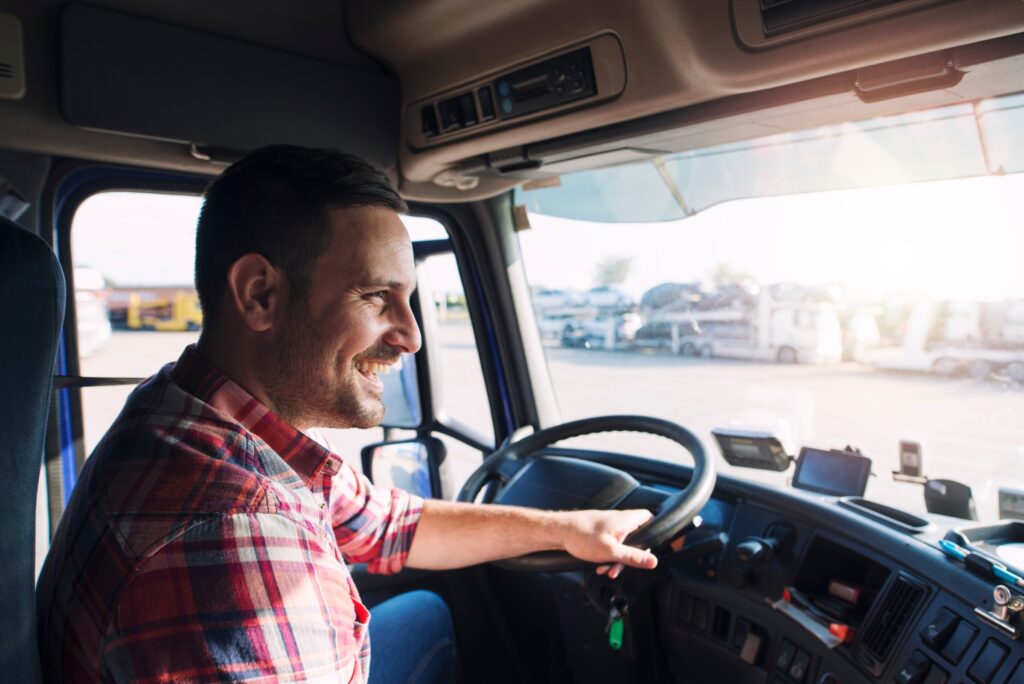
Strategies for Successful Team Trucking: Boost Efficiency, Communication, and Teamwork

Team trucking can be one of the most rewarding ways to work in the transportation industry, offering increased earning potential, reduced downtime, and the opportunity to share responsibilities. However, success in team trucking depends on strong communication, mutual respect, and effective planning. At Barr-Nunn Transportation, we understand the importance of fostering strong partnerships between team drivers. In this guide, we’ll share strategies for successful team trucking to help drivers optimize their collaboration and enjoy the many benefits of team driving.

The Benefits of Team Trucking

Team trucking offers unique advantages that make it appealing for many drivers. By working in pairs, team drivers can cover longer distances in shorter periods, allowing for expedited deliveries. This can lead to higher pay due to increased mileage and access to specialized, high-priority routes.

Beyond financial incentives, team trucking also provides built-in companionship on the road, helping drivers combat the isolation often experienced in solo trucking. With a partner to share responsibilities, drivers can also enjoy better work-life balance and reduced stress during trips.

Top Strategies for Successful Team Trucking

  1. Establish Clear Communication

Effective communication is the cornerstone of any successful partnership. Before hitting the road, discuss your driving styles, preferences, and expectations. Decide how you’ll handle critical tasks like navigation, refueling, and meal planning. Regularly check in with each other to ensure you’re on the same page and address any issues early to avoid misunderstandings.

  1. Set Shared Goals

Discuss your goals for the team, such as desired mileage, earnings, or trip schedules. Knowing that you’re working toward the same objectives can foster cooperation and prevent conflicts. Regularly review your progress to ensure you’re both satisfied with the partnership.

  1. Divide Responsibilities Fairly

Clearly define roles and responsibilities for each driver. For example, one driver might handle pre-trip inspections while the other manages paperwork or route planning. Rotating tasks periodically can keep things fair and prevent burnout.

  1. Prioritize Rest and Sleep

Team trucking allows one driver to rest while the other drives, but ensuring quality rest is essential. Agree on a sleep schedule that works for both of you, and invest in comfortable bedding to make the truck’s sleeper berth a restful space. A well-rested driver is safer, more alert, and better equipped to handle challenges on the road.

Navigating Challenges in Team Trucking

  1. Adapt to Each Other’s Driving Styles

Every driver has unique habits and preferences. Take time to understand each other’s approaches to driving, braking, and navigating. Being flexible and accommodating can prevent friction and make the partnership smoother.

  1. Manage Conflict Proactively

Disagreements are inevitable, but how you handle them matters. Address issues calmly and respectfully, focusing on solutions rather than assigning blame. If a conflict persists, consider bringing in a neutral third party, such as a Barr-Nunn Transportation fleet manager, to mediate.

  1. Plan Routes Together

Collaborative route planning ensures both drivers are comfortable with the journey ahead. Use GPS systems and trucking apps to identify the best routes, rest stops, and refueling stations. Agreeing on the plan upfront reduces stress and minimizes surprises.

  1. Be Respectful of Personal Space

Living in close quarters can be challenging, especially during long trips. Respect your partner’s need for privacy and downtime. Whether it’s allowing them to nap undisturbed or using headphones for personal entertainment, small gestures of respect can go a long way.

Building a Strong Team Dynamic

  1. Leverage Each Other’s Strengths

Every driver brings unique skills to the table. One might excel at night driving while the other prefers navigating urban areas. Play to each other’s strengths to maximize efficiency and make the most of your partnership.

  1. Practice Patience

Patience is essential in team trucking, especially when spending long hours together. Be understanding of each other’s quirks and remember that both of you are working toward the same goals.

  1. Keep Open Lines of Communication with Dispatch

A strong relationship with your dispatcher can make team trucking more efficient. Communicate clearly and consistently about your availability, progress, and any issues on the road. At Barr-Nunn Transportation, our dispatchers are trained to support team drivers and facilitate smooth operations.

Maximizing Efficiency as a Team

  1. Plan Rest Breaks Strategically

Coordinate rest breaks to ensure minimal downtime. For example, one driver can take a break while the other handles refueling or checks the truck’s tires and fluids. Efficiency in these small tasks adds up over the course of a trip.

  1. Use Technology to Your Advantage

Invest in tools like GPS systems, route planning apps, and electronic logging devices (ELDs) to streamline operations. Barr-Nunn Transportation equips its trucks with advanced technology to help drivers navigate efficiently and comply with regulations.

  1. Monitor Fuel Efficiency

Team drivers cover more miles, so fuel efficiency is crucial. Practice fuel-saving techniques, such as maintaining a steady speed, avoiding unnecessary idling, and planning routes with minimal traffic or elevation changes.

Staying Safe on the Road

  1. Stay Alert for Weather and Traffic Conditions

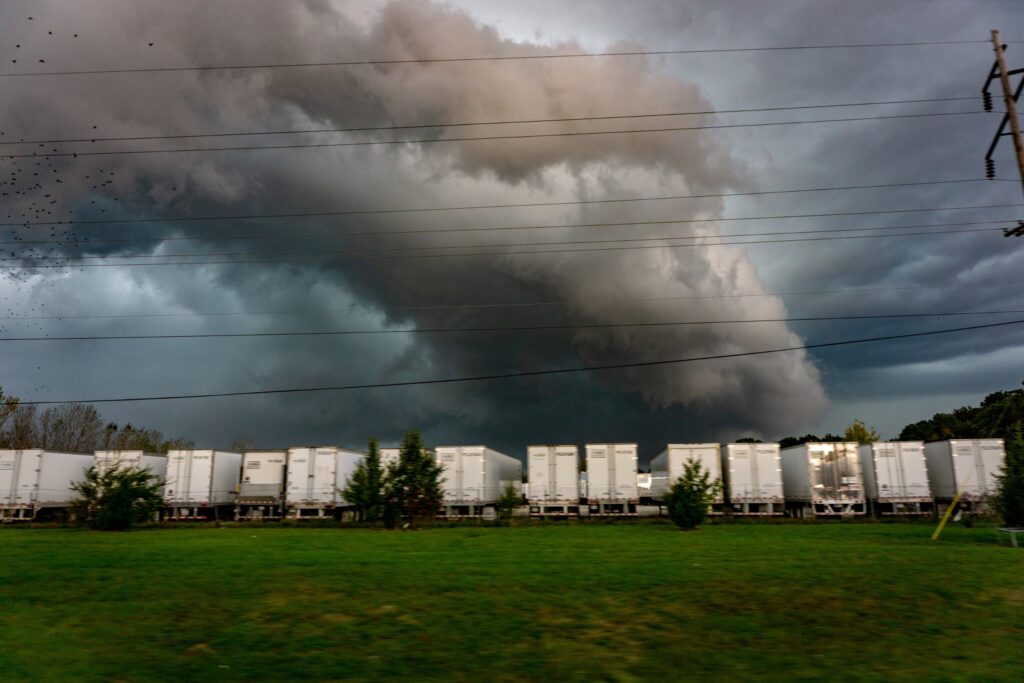
Driving conditions can change rapidly, so staying informed is key. Share updates about weather or traffic delays and be prepared to adjust your plans as needed. Safety should always be the top priority.

How Barr-Nunn Transportation Supports Team Drivers

At Barr-Nunn Transportation, we recognize the value of team trucking and strive to create an environment where team drivers thrive. Our trucks are equipped with amenities to enhance comfort and efficiency, including advanced navigation systems and TPMS (Tire Pressure Monitoring Systems). Additionally, we offer competitive team pay packages and bonus programs to reward high-performing teams.

Fleet managers at Barr-Nunn are also dedicated to supporting team drivers by addressing concerns promptly and providing resources to optimize your experience on the road. Whether it’s route planning assistance or maintenance support, we’re here to help you succeed.

Conclusion

Successful team trucking requires preparation, communication, and mutual respect. By implementing these strategies, team drivers can maximize efficiency, minimize stress, and enjoy the many benefits of working together. At Barr-Nunn Transportation, we’re committed to empowering our team drivers with the tools, support, and training needed to excel. With the right approach and a strong partnership, team trucking can be a fulfilling and profitable career path.

To learn more about Truck Driving options with a Certified Top-Pay Carrier, contact us at Barr-Nunn Transportation.

Drive for Barr-Nunn Transportation! Search Truck Driving Positions or Apply Now!

Tips for Truck Driving in Rain

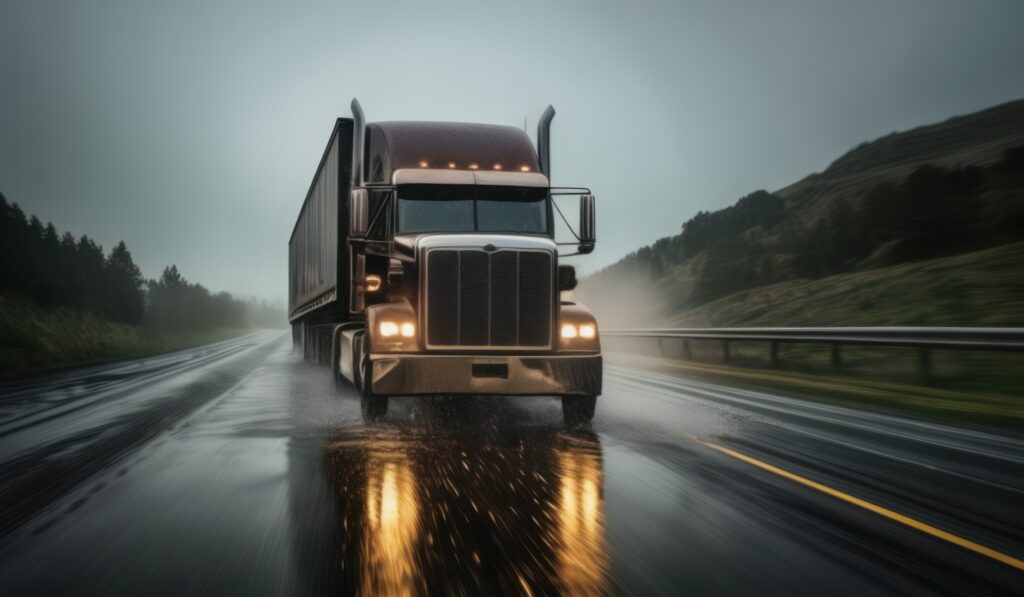
Truck driving in the rain presents unique challenges that require skill, preparation, and caution. Reduced visibility, slippery roads, and hydroplaning risks mean truckers must adjust their driving techniques to maintain safety and control. At Barr-Nunn Transportation, we prioritize the safety of our drivers and fleet. Here are comprehensive tips for truck driving in rain to help truckers stay safe and efficient, even during inclement weather.

The Importance of Safety When Driving in Rain

Rainy conditions can significantly impact road safety for truck drivers. Heavy rain affects visibility, road grip, and braking distances, making it essential for drivers to adopt safe driving practices. For truckers, the stakes are high; the weight and size of a semi-truck mean that even small mistakes can have serious consequences. By following proven strategies, drivers can reduce risks and ensure both their safety and that of other road users.

Tips for Driving Safely in Rainy Conditions

1. Reduce Speed to Adapt to Wet Conditions

When roads are wet, friction between the tires and the road is reduced, increasing stopping distance. To compensate, drivers should lower their speed to match the conditions. Slowing down gives you more time to react and reduces the chances of hydroplaning.

2. Increase Following Distance

Maintaining a safe distance between your truck and the vehicle in front of you is crucial in rainy weather. Trucks require longer stopping distances, especially when the road is slippery. A safe rule of thumb is to double the following distance you would maintain in dry conditions.

3. Use Headlights and Keep Them Clean

Proper illumination is key to seeing and being seen during rain. Turn on your low-beam headlights to enhance visibility, but avoid using high beams as they can reflect off the rain and create glare. Additionally, ensure your headlights are clean and free of dirt to maximize their brightness.


Handling Visibility Challenges

4. Keep Windshield Wipers in Top Condition

Your windshield wipers play a vital role in maintaining visibility. Check them regularly to ensure they are in good condition. Replace wiper blades if they leave streaks or fail to clear the windshield effectively. Also, ensure the washer fluid reservoir is full to help clear mud or grime splashes.

5. Defog Your Windshield Properly

Rain often leads to fogged windows, reducing visibility. Use the defroster and air conditioning to keep windows clear and maintain a clear line of sight. A clean windshield, inside and out, will also reduce the chances of condensation.

6. Avoid Standing Water and Puddles

Deep puddles or standing water can lead to hydroplaning, a situation where tires lose contact with the road surface and skim on water. If you can’t avoid puddles, drive through them slowly and steadily to prevent water from splashing up into the engine or wheel wells.


Best Practices for Maintaining Traction in the Rain

7. Monitor Tire Tread and Pressure

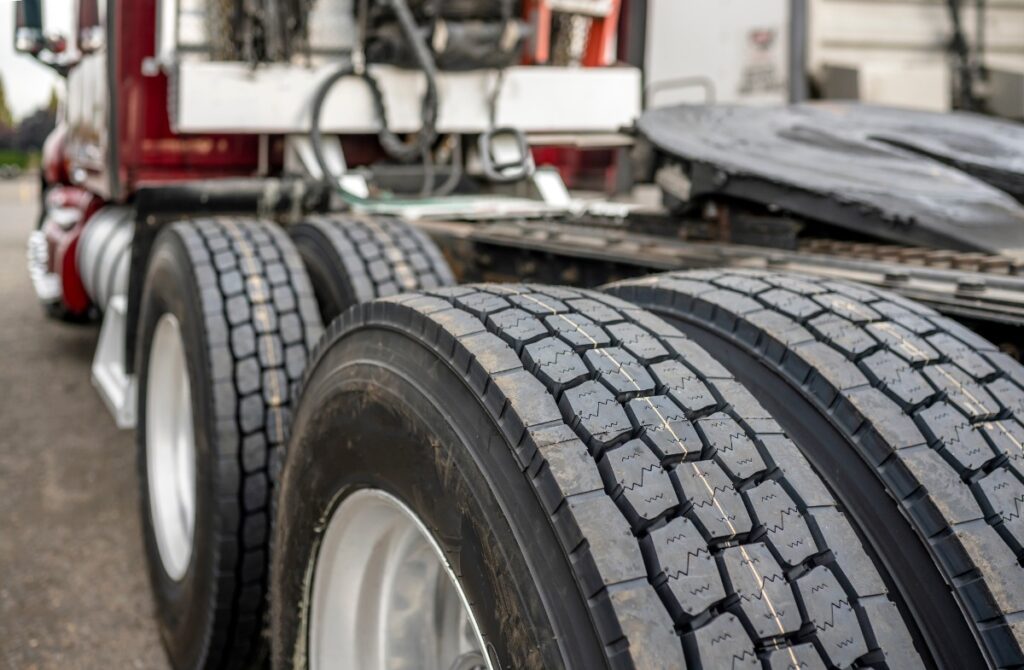
Good tire tread is essential for displacing water and maintaining traction. Before heading out, check your tires to ensure they have sufficient tread depth and are inflated to the manufacturer’s recommended PSI. Proper tire pressure helps maintain contact with the road and reduces the risk of hydroplaning.

8. Avoid Sudden Movements

Quick steering corrections or sudden braking can cause skidding or loss of control. Drive smoothly and anticipate your movements well in advance. Gradual changes in speed and direction will help maintain traction and stability.

9. Know How to Handle Hydroplaning

Hydroplaning occurs when the tires lose grip on the wet surface and glide over the water. If you feel your truck hydroplaning, don’t panic. Gently take your foot off the accelerator, keep the steering wheel steady, and avoid making sudden movements. Do not slam on the brakes; allow the truck to regain traction naturally.


Adjusting Driving Techniques

10. Be Prepared for Wind Gusts

Rain is often accompanied by strong winds, which can make it difficult to control the truck, especially when it is not fully loaded. Keep a firm grip on the steering wheel and remain alert for sudden gusts, particularly when driving in open areas or on bridges.

11. Use Engine Braking Cautiously

While engine braking is a useful tool for managing speed on descents, it should be used carefully in wet conditions. Rapid deceleration can lead to wheel lock-up and skidding. Lightly tap the brake pedal to signal your intentions to drivers behind you when slowing down.

12. Stay in the Middle Lane When Possible

The outer lanes often accumulate more water due to poor drainage. Staying in the middle lane when safe and appropriate can minimize your exposure to standing water and reduce the risk of hydroplaning.


Additional Safety Tips for Rainy Weather

13. Watch for Spray from Other Vehicles

The spray generated by vehicles, especially large trucks, can reduce visibility for drivers behind. Be mindful of how your own truck affects visibility for others, and keep an eye out for vehicles that may be affected by your spray.

14. Take Breaks When Necessary

If the rain becomes too intense, don’t hesitate to pull over at a safe location and wait it out. Heavy downpours can create a “white-out” effect where visibility drops dramatically. Safety is more important than maintaining a strict schedule.

15. Use the Right Lane When Driving Slowly

If you need to drive significantly slower due to rain, stay in the right lane to allow faster traffic to pass on the left. This helps maintain the flow of traffic and reduces the risk of being rear-ended.

How Barr-Nunn Transportation Supports Drivers in Bad Weather

At Barr-Nunn Transportation, we understand the challenges our drivers face when driving in rain and adverse weather. We provide drivers with top-quality training that includes best practices for handling rain and other weather conditions. Our fleet is equipped with technology to enhance safety, including Tire Pressure Monitoring Systems (TPMS) that help drivers maintain optimal traction. By prioritizing safety and vehicle maintenance, Barr-Nunn ensures drivers are well-prepared to handle any challenge they encounter on the road.

Conclusion

Driving in rainy weather requires skill, caution, and preparation. By following these tips for truck driving in rain, drivers can enhance their safety and the safety of those around them. Maintaining reduced speed, practicing smooth driving techniques, and ensuring good visibility are key to staying safe during inclement weather. At Barr-Nunn Transportation, we’re committed to supporting our drivers with the tools and knowledge needed to navigate challenging conditions safely and efficiently.

What is the Right Tire Pressure for Semi-Truck Tires?

Maintaining the right tire pressure is a critical aspect of a truck driver’s daily responsibilities. Not only does it ensure safety on the road, but it also impacts fuel efficiency, vehicle performance, and overall tire lifespan. For drivers at Barr-Nunn Transportation, this knowledge is essential for smooth operations. In this article, we’ll dive into the importance of proper tire pressure, the right PSI for semi-truck tires, and how to avoid the common pitfalls of over- or under-inflation.

Tire Pressure for Truck Drivers

Proper tire pressure plays a pivotal role in the day-to-day safety and performance of semi-trucks. It influences how a truck handles on different terrains, how stable it feels under varying loads, and even how long the tires last. Maintaining correct tire inflation improves grip, allows for better braking, and reduces the likelihood of dangerous blowouts. From a financial perspective, properly inflated tires can also significantly reduce fuel costs, a factor every driver is conscious of when logging long miles across the country.

Tire longevity is another factor to consider. The correct air pressure ensures even tread wear, which helps prevent premature replacement. For companies like Barr-Nunn, keeping tires in optimal condition directly translates to more operational efficiency, and fewer roadside emergencies. Drivers who stay on top of their tire pressure will experience fewer unexpected issues, allowing them to focus on their job.

The Importance of Tire Pressure in Semi-Trucks

Tire pressure is critical for semi-trucks due to the unique demands placed on these vehicles. Unlike passenger cars, semi-trucks carry much heavier loads, often traveling thousands of miles across a variety of road conditions. The right tire pressure ensures that the truck’s handling is optimal, which is key for safety when dealing with steep inclines, sharp turns, or heavy braking.

With proper inflation, a truck will also experience better stability. Inadequate pressure can make the truck difficult to control, especially when fully loaded, putting the driver at risk. Moreover, incorrect tire pressure can affect the smoothness of the ride and cause discomfort for long-distance drivers.

Understanding PSI: What Does It Mean?

PSI, or pounds per square inch, measures the air pressure inside your tires. For semi-truck drivers, understanding PSI is essential because it dictates how efficiently the truck operates. Passenger vehicles typically require lower PSI levels, but semi-truck tires often demand pressures of up to 100 PSI or more, depending on the tire’s load rating and manufacturer specifications.

Correct tire pressure depends on various factors, including load weight, road conditions, and temperature. It’s critical to check the manufacturer’s recommendations for each specific tire, as the wrong PSI could lead to dangerous outcomes.

Recommended Tire Pressure for Semi-Truck Tires

Industry standards typically recommend a tire pressure range between 90 and 120 PSI for semi-trucks. However, the exact PSI for each tire should match the manufacturer’s guidelines and consider the load being carried. For instance, when fully loaded, a truck may need its tires inflated to the higher end of this range.

It’s also worth noting that different brands of tires might have slightly different recommendations, so it’s important to check the sidewall of the tire or consult the tire’s manual for the specific PSI range. Additionally, Barr-Nunn Transportation drivers should regularly consult company protocols on tire pressure to align with safety and efficiency standards.

Factors That Influence Tire Pressure

Several factors can affect tire pressure, which means that it might fluctuate throughout the day or across different routes:

  • Load Weight: The heavier the load, the higher the tire pressure should be to ensure proper distribution across the vehicle.
  • Temperature Changes: Tires lose approximately 1 PSI for every 10°F drop in temperature, and the opposite happens in hot weather, where pressure increases.
  • Road Conditions: Rough, uneven, or poorly maintained roads can impact tire wear, making regular checks essential.
  • Tire Type: Specific tires are designed for different conditions (off-road vs. highway), and each type has unique PSI requirements.

The Effects of Over-Inflated Tires

While some drivers might think that inflating tires beyond the recommended PSI will provide better fuel efficiency, over-inflated tires can actually reduce traction and make it harder to control the truck. Excessive air pressure also causes the tires to wear unevenly, particularly in the center of the tread. This premature wear can lead to blowouts, especially under heavy loads, which is a serious safety risk on the road.

The Effects of Under-Inflated Tires

On the other hand, under-inflated tires are equally hazardous. They create increased rolling resistance, making the engine work harder to move the truck, which negatively impacts fuel efficiency. Additionally, under-inflation causes more wear on the tire’s edges, leading to a higher risk of blowouts. In fact, a significant number of tire blowouts are directly related to low tire pressure, making it crucial for truck drivers to regularly monitor and adjust their tire pressure.

Tire Pressure for Different Weather Conditions

Weather can dramatically impact tire pressure. In colder climates, air molecules contract, lowering tire pressure, while heat causes the air to expand, increasing pressure. Therefore, drivers must be vigilant about checking tire pressure during both hot summers and cold winters. In regions like the northeastern U.S., where temperatures can vary significantly, adjustments should be made based on the seasonal changes to maintain optimal tire performance.

Temperature’s Impact on Tire Pressure

Temperature plays a critical role in tire pressure fluctuations. As a rule of thumb, for every 10°F increase, tire pressure goes up by about 1 PSI, and vice versa. Drivers should account for this when traveling through areas with varying climates, such as mountainous regions in the eastern U.S., where temperatures can shift dramatically in short distances.

How Often Should Semi Truck Tire Pressure Be Checked?

Regular tire pressure checks are essential for preventing issues before they become serious problems. It’s recommended that drivers check tire pressure at least once a day, ideally before starting their shift. This helps identify any slow leaks or variations in PSI caused by temperature changes. Additionally, it’s important to check the tires again after long hauls, especially if the truck has traveled through regions with drastic climate differences.

Best Tools for Monitoring Tire Pressure

Two key tools for monitoring tire pressure are the manual tire pressure gauge and the Tire Pressure Monitoring System (TPMS). While a basic tire gauge can give an accurate reading on the spot, TPMS devices provide continuous updates about the tire’s pressure in real time. Barr-Nunn Transportation trucks come equipped with TPMS on all trailers, making it easier for drivers to monitor tire pressure without manual checks during a haul.

How to Manually Check Tire Pressure

To manually check tire pressure, follow these steps:

  • Gather Equipment: You’ll need a reliable tire pressure gauge.
  • Remove the Valve Cap: Locate the valve stem on the tire and remove the cap.
  • Use the Gauge: Press the gauge onto the valve stem and wait for the reading.
  • Compare to Recommended PSI: Check the tire’s PSI and compare it with the manufacturer’s recommendation.
  • Adjust Pressure as Needed: Inflate or deflate the tire to meet the correct PSI.

Signs of Improper Tire Pressure

There are several warning signs that may indicate improper tire pressure:

  • Uneven Tire Wear: Worn tire edges or centers can signal low or high pressure.
  • Poor Handling: The truck may feel sluggish or harder to control, especially in turns or when braking.
  • Increased Fuel Consumption: A sudden spike in fuel usage could be related to under-inflated tires.
  • Vibration in the Steering Wheel: Uneven tire pressure can cause the truck to shake, leading to discomfort and handling issues.

How Incorrect Tire Pressure Impacts Fuel Economy

Fuel economy is one of the biggest reasons to maintain proper tire pressure. Under-inflated tires increase rolling resistance, making the truck consume more fuel to maintain speed. Over time, this can add up to significant costs for both individual drivers and companies like Barr-Nunn. By keeping tires properly inflated, drivers can expect better fuel efficiency, saving thousands of dollars in fuel expenses over the life of the truck.

Legal Requirements for Semi-Truck Tire Pressure

The Federal Motor Carrier Safety Administration (FMCSA) requires that all commercial trucks meet specific tire pressure regulations. Drivers are responsible for ensuring that their tires are properly inflated according to both federal and state laws. Additionally, compliance with these regulations is crucial for passing safety inspections and avoiding fines.

Tire Pressure and Load Distribution

Even load distribution is essential to maintaining proper tire pressure. Unevenly loaded trucks place excessive strain on certain tires, leading to under-inflation or over-inflation issues. Drivers should regularly inspect how weight is distributed on their truck to ensure that no one tire is bearing more load than others.

How Tire Pressure Affects Truck Safety

Improper tire pressure can be a silent threat to truck safety. Under-inflation or over-inflation can lead to tire blowouts, which are hazardous at high speeds. Moreover, poor tire pressure affects braking efficiency, making it harder to stop the truck in time. For Barr-Nunn Transportation drivers, maintaining proper tire pressure is key to keeping both the driver and the cargo safe.

How to Avoid Tire Blowouts

Preventing blowouts starts with regular tire inspections and pressure checks. Drivers should make it a habit to inspect tires for signs of wear, maintain the proper PSI, and avoid overloading the truck. Keeping an eye on road conditions and avoiding potholes or rough terrain can also minimize the risk of a blowout.

Technology Solutions for Maintaining Tire Pressure

Technology has revolutionized tire maintenance with systems like automatic tire inflation (ATI) and advanced TPMS. ATI systems automatically adjust tire pressure as needed, while TPMS provides real-time pressure readings. These tools can help drivers stay on top of tire maintenance without frequent manual checks.

The Cost of Improper Tire Maintenance

Neglecting tire pressure maintenance can lead to costly consequences. Tire blowouts not only result in the need for immediate replacement but can also cause damage to other parts of the truck and require costly roadside assistance. Furthermore, under-inflated tires reduce fuel efficiency, resulting in long-term fuel expenses that could have been avoided.

What to Do in Case of a Tire Blowout

In the event of a tire blowout, follow these steps:

  • Remain Calm: Keep a firm grip on the steering wheel and avoid sudden movements.
  • Decelerate Slowly: Ease off the accelerator but don’t slam on the brakes.
  • Pull Over Safely: Find a safe spot to stop and turn on your hazard lights.
  • Inspect the Damage: Check the tire and call for assistance if necessary.

Tire Maintenance Best Practices

In addition to maintaining proper tire pressure, drivers should regularly rotate their tires, inspect them for wear, and ensure they are aligned. These practices help extend tire life and ensure that the truck handles smoothly on the road.

How Barr-Nunn Transportation Supports Tire Maintenance

At Barr-Nunn Transportation, safety and efficiency are top priorities. The company ensures that all trailers are equipped with TPMS, allowing drivers to monitor tire pressure in real time. Additionally, Barr-Nunn provides comprehensive maintenance support to ensure that drivers are equipped with the tools and knowledge necessary to keep their trucks in optimal condition.

The Role of Proper Tire Pressure in Reducing Carbon Emissions

Maintaining proper tire pressure doesn’t just save money; it also reduces the truck’s carbon footprint. Under-inflated tires cause the engine to work harder, burning more fuel and emitting more CO2. By keeping tires properly inflated, drivers can reduce fuel consumption and contribute to a greener environment.

Common Tire Pressure Myths in Trucking

Several myths persist about tire pressure in trucking, such as the belief that higher pressure always leads to better fuel efficiency. In reality, over-inflated tires can be just as dangerous as under-inflated ones. Another common misconception is that visual inspection alone is enough to determine if a tire is properly inflated, which is rarely the case. Always use a tire gauge or TPMS for accurate readings.

Conclusion

Proper tire pressure is an essential aspect of maintaining safety, fuel efficiency, and tire longevity for semi-truck drivers. By following best practices for tire maintenance and utilizing modern technology like TPMS, drivers can reduce the risk of blowouts, improve fuel economy, and ensure their trucks remain roadworthy. At Barr-Nunn Transportation, we support our drivers in maintaining optimal tire pressure, helping them stay safe on the road and operate efficiently.

SkyBitz Trailer Tracking and the Barr-Nunn Advantage: Enhancing Efficiency and Reducing Stress for Truck Drivers

In the trucking industry, time is money. Every minute spent searching for a trailer is a minute not spent on the road, and for truck drivers, these minutes can quickly add up to significant stress and lost revenue. Fortunately, technology is stepping in to alleviate these challenges, and one of the leading solutions is SkyBitz trailer tracking. Paired with the operational excellence of Barr-Nunn, this system is transforming the way drivers locate and manage their trailers, resulting in improved efficiency and reduced stress.

The Challenges of Traditional Trailer Management

Before diving into the benefits of SkyBitz, it’s important to understand the traditional challenges that truck drivers face. In a typical scenario, drivers might spend hours navigating large yards or multiple locations to find their assigned trailers. This process is not only time-consuming but also physically and mentally exhausting. Misplaced trailers, incorrect records, and lack of real-time information further exacerbate these issues, leading to delays and increased operational costs.

What is SkyBitz Trailer Tracking?

SkyBitz is a leading provider of remote asset tracking and information management solutions. Their trailer tracking system utilizes advanced GPS technology and cellular communication to provide real-time location data of trailers. This system is designed to offer seamless integration with existing fleet management systems, providing a comprehensive overview of all trailer assets.

How SkyBitz Works

The SkyBitz system equips trailers with GPS tracking devices that constantly relay location data to a centralized platform. This platform is accessible to both fleet managers and drivers via web or mobile applications. The real-time data allows users to pinpoint the exact location of any trailer within seconds, eliminating the need for physical searches.

The Barr-Nunn Advantage

Barr-Nunn, a respected name in the trucking industry, has integrated SkyBitz trailer tracking into their operations, providing a significant advantage to their drivers. Here’s how this integration benefits drivers:

1. Quick and Accurate Trailer Location

With SkyBitz, Barr-Nunn drivers can quickly locate their trailers without having to leave the cab of their truck. The real-time tracking data shows the precise location of each trailer, reducing search time from hours to mere minutes. This efficiency ensures that drivers spend more time on the road and less time searching for equipment.

2. Enhanced Operational Efficiency

The ability to quickly locate trailers means that Barr-Nunn can streamline their dispatch and routing processes. Drivers receive accurate and timely information, allowing them to plan their routes more effectively. This leads to fewer delays and improved on-time delivery rates, enhancing overall customer satisfaction.

3. Reduced Stress and Improved Safety

Searching for trailers in large yards or unfamiliar locations can be stressful and, at times, dangerous. By providing precise location data, SkyBitz reduces the physical and mental strain on drivers. They can confidently locate their trailers without the frustration of searching, leading to a safer and more relaxed working environment.

4. Improved Asset Utilization

SkyBitz also helps Barr-Nunn optimize their trailer utilization. By tracking the movement and usage patterns of each trailer, the company can make informed decisions about asset allocation and maintenance. This ensures that trailers are not sitting idle and are in the best possible condition for use.

5. Enhanced Communication

The integration of SkyBitz with Barr-Nunn’s fleet management system facilitates better communication between drivers and dispatchers. Any issues with trailer location can be quickly addressed, and drivers can receive real-time updates on trailer status, ensuring they are always in the loop.

Conclusion

The partnership between SkyBitz and Barr-Nunn is a game-changer for truck drivers. By leveraging advanced trailer tracking technology, Barr-Nunn provides its drivers with a powerful tool that enhances efficiency, reduces stress, and improves overall job satisfaction. For drivers, this means more time on the road, fewer headaches, and a safer, more productive working environment. As the trucking industry continues to evolve, innovations like SkyBitz trailer tracking are paving the way for a more efficient and driver-friendly future.

Northeast Regional Truck Driving vs. Over-the-Road: Choosing the Right Path for You

Congratulations on earning your CDL and embarking on a rewarding career in trucking! Here at Barr-Nunn Transportation, we’re dedicated to your success on the road. As you navigate the exciting world of trucking opportunities, one of the first crucial decisions you’ll face is choosing between Northeast Regional and Over-the-Road (OTR) trucking. Both offer unique advantages and understanding these differences will help you select the path that best aligns with your goals and lifestyle.

Understanding Northeast Regional Trucking

Northeast Regional trucking focuses on transporting goods within a designated region, typically encompassing several states in the Northeast corridor. This radius can vary depending on the company, but it often falls within a 650-mile range. Regional drivers haul a variety of cargo, playing a vital role in keeping the Northeast economy moving.

Benefits of Northeast Regional Trucking:

  • More Time at Home: One of the biggest perks of regional trucking is the increased home time. You’ll likely be home weekly or at least most weekends, allowing you to maintain a strong work-life balance. This is ideal for those who value spending time with family and friends or participating in local activities.
  • Familiar Routes: Regional drivers often operate on repetitive routes, giving you the chance to become an expert on the region’s roads and traffic patterns. This familiarity translates to smoother journeys, allowing you to navigate efficiently and anticipate potential delays.
  • Work-Life Balance: With regular home time, regional trucking allows you to establish a more balanced lifestyle. You can schedule appointments, participate in hobbies, or simply unwind without worrying about being constantly on the road.

Challenges of Northeast Regional Trucking

  • Traffic congestion: The Northeast is one of the most densely populated regions in the US, leading to heavy traffic congestion, especially around major cities and during peak hours. This can significantly slow down deliveries and increase driver stress.
  • Narrow roads and tight spaces: Many roads and infrastructure in the Northeast predate the era of large commercial trucks. This means narrow roads, tight turns, and low clearances on bridges can be a constant challenge for truck drivers. Navigating city streets and older industrial areas often requires extra caution and maneuvering skills.
  • Harsh weather conditions: The Northeast experiences all four seasons, and the winters can be particularly brutal. Snow, ice, and freezing temperatures can create hazardous driving conditions, requiring extra caution and potentially causing delays due to road closures or accidents.
  • Limited parking: Finding parking for large trucks, especially in urban areas, can be a major challenge. Truck stops can fill up quickly, and on-street parking is often restricted. This can make it difficult for drivers to take breaks or find rest when needed.
  • Tolls: The Northeast has a complex network of toll roads and bridges, which can significantly increase transportation costs for trucking companies and drivers who pay tolls themselves.
  • Aggressive driving: Traffic congestion and a fast-paced lifestyle can contribute to aggressive driving behavior in the Northeast. Truck drivers need to be extra aware of their surroundings and defensive in their driving to avoid accidents.
  • Off-loading challenges: Some delivery sites in the Northeast, particularly in older urban areas, may not have adequate space or infrastructure for large trucks to maneuver easily during loading or unloading.
  • Local regulations: Cities and states in the Northeast may have specific regulations for truck traffic, such as weight restrictions, curfews on deliveries, or designated truck routes.

While these challenges exist, trucking in the Northeast also offers competitive pay and a strong demand for skilled drivers. New England has a vibrant economy with a high volume of goods being transported in and out of the region. For drivers who can navigate the challenges, it can be a rewarding career path.

Understanding Over-the-Road (OTR) Trucking

OTR trucking involves hauling freight across the country, offering the opportunity to explore diverse landscapes and experience different cultures. OTR drivers typically cover longer distances, often exceeding 2,000 miles per trip.

At Barr-Nunn, our OTR drivers primarily focus on the Eastern and Midwest United States with routes typically reaching no further west than Omaha or Kansas City. The vast majority of our loads stay well below 1,500 miles, with an emphasis on regional hauling. In fact, only 1.5% of our loads even reach the 1,000 to 1,500-mile range.

Benefits of OTR Trucking:

  • Higher Earning Potential: Due to the extended travel distances, OTR drivers generally have a higher earning potential compared to their regional counterparts. This can be a deciding factor for those prioritizing maximizing their income.
  • Seeing the Country: OTR trucking offers the unique advantage of exploring various parts of the United States. You’ll traverse scenic highways, discover hidden gems in different towns, and gain firsthand experience of the nation’s diverse geography.
  • Diverse Experiences: As an OTR driver, you’ll encounter a wider range of road conditions, weather patterns, and cultural environments. This can be a rewarding experience for those who thrive on variety and enjoy adapting to new challenges.

Comparing Northeast Regional vs. OTR Trucking

Here’s a table summarizing the key factors to consider when choosing between Northeast Regional and OTR trucking:

FactorNortheast Regional Truck DrivingOver-the-Road (OTR) Truck Driving
Typical Home TimeWeekly or most weekendsCan be weeks or months between home visits
Pay PotentialLower than OTRGenerally higher than Regional
Work-Life BalanceMore balanced with regular home timeLimited work-life balance due to extended time away
Variety in Scenery/ExperiencesLimited to the Northeast regionOpportunity to explore various parts of the US

Choosing the Right Path for You

The decision between Northeast Regional and OTR trucking ultimately boils down to your personal priorities. Consider the following factors when making your choice:

  • Family Time vs. Income Potential: Do you value spending time with loved ones or prioritize maximizing your earnings? Regional trucking provides a better work-life balance, while OTR offers a higher earning potential.
  • Lifestyle Preferences: Are you drawn to routine and familiarity, or do you crave adventure and new experiences? Regional trucking allows you to become an expert on your designated routes, while OTR trucking provides constant change and exploration.
  • Comfort with Long Stretches on the Road: Can you handle extended periods away from home and the solitude of long-distance travel? OTR trucking demands a high degree of self-reliance and comfort with being on the road for extended periods.

Making an Informed Decision

Choosing between Northeast Regional and OTR trucking is a significant decision. Here are some additional resources to help you gather further information:

  • The American Trucking Associations (ATA) offers a wealth of resources for new truck drivers, including information on different trucking sectors and career paths.
  • The Bureau of Labor Statistics (BLS) provides detailed occupational information for truck drivers, including salary data and job outlook for regional and long-distance truck driving.
  • Visit our main Barr-Nunn Transportation Career page for more information on our company culture, driver benefits, and the types of trucking opportunities we offer, including both regional and potential OTR positions (link to your careers page).

We’re Here to Help!

At Barr-Nunn Transportation, we understand that choosing the right path in trucking is crucial. We’re committed to supporting new drivers in the Northeast and helping them find success in their careers. Regardless of whether you choose regional or OTR trucking, we encourage you to contact us to discuss your goals and explore potential opportunities at our company. We offer competitive benefits, a supportive work environment, and a dedication to driver safety and well-being.

Take the wheel of your future, and let Barr-Nunn Transportation be your partner on the road!

Practical Tips for Managing Your Hours of Service (HOS) as an OTR Driver

The open road beckons, offering an unparalleled sense of freedom and adventure for Over-the-Road (OTR) truck drivers. However, with the vast distances and long hours come significant responsibilities. At Barr-Nunn Transportation, we prioritize driver well-being alongside operational efficiency. One of the key factors contributing to both is effective management of Hours of Service (HOS) regulations. Understanding and adhering to HOS is essential for ensuring safety on the road, maximizing your time behind the wheel, and avoiding costly violations.

Understanding HOS for OTR Drivers

HOS is a set of federal regulations established by the Federal Motor Carrier Safety Administration (FMCSA) to limit the number of hours a commercial motor vehicle (CMV) driver can operate a truck within a specific time period. The goal is to prevent driver fatigue, a major contributor to accidents. The key components of HOS logs for OTR drivers include:

  • On-duty time: This encompasses any time you are working, including driving, loading/unloading, performing vehicle inspections, or waiting for repairs.
  • Off-duty time: This refers to any time you are not working and free from duty. You can use this time for rest, meals, or personal activities.
  • Driving time: This is the actual time spent driving the truck.
  • Sleeper berth time: This refers to time spent resting in a sleeper berth complying with specific requirements regarding mattress size and temperature control.

Staying updated on the latest HOS regulations is crucial. The FMCSA occasionally revises the rules, so familiarizing yourself with any recent changes ensures you remain compliant.

Mastering Your Daily Schedule

Planning is Key: Effective HOS management starts with meticulous pre-trip planning. Consider factors like the length of your route, rest stop availability (especially those with truck parking), and potential delays due to weather or traffic congestion. Utilize route planning apps or tools that estimate driving times and factor in potential rest breaks. This allows you to create a realistic schedule that adheres to HOS regulations while optimizing your driving time.

Split Sleeper Berth Strategies: The 10-hour break for OTR drivers can be split into two segments, with a minimum of 7 hours spent in the sleeper berth. This allows for some flexibility in scheduling your rest periods. To maximize rest during split sleeper berths, choose parking locations in quiet areas away from noise and traffic. Utilize blackout curtains to create a sleep-conducive environment in your sleeper berth.

Tech Tools for Your Advantage

Electronic Logging Devices (ELDs) are now the mandated way for most OTR drivers to track HOS electronically. ELDs simplify the record-keeping process, automatically logging your driving time, on-duty time, and off-duty time. They also provide alerts when approaching HOS limits, helping you stay compliant. In addition to ELDs, consider using mobile apps that can complement your HOS management. These apps can offer route planning features, break reminders, and even locate nearby truck stops with amenities.

Staying Compliant on the Road

Violating HOS regulations can have serious consequences. Fines can be significant, and repeated violations can lead to license suspension or disqualification. More importantly, exceeding HOS limits significantly increases the risk of driver fatigue, which can have devastating consequences on the road.

Here are some tips to avoid common mistakes that lead to HOS violations:

  • Planning for the Unexpected: While planning is key, unforeseen circumstances can arise. Be prepared to adjust your schedule if you encounter unexpected delays like traffic jams or bad weather. Communicate with your dispatcher and prioritize your safety over adhering to an unrealistic schedule.
  • Accurate Logging: Honesty and accuracy are paramount when recording your HOS data. ELDs can help, but it’s your responsibility to ensure all activities are logged correctly.

Conclusion

Effective HOS management is a crucial skill for every OTR driver. By understanding HOS regulations, planning your daily schedule meticulously, and utilizing technology to your advantage, you can ensure compliance, prioritize safety, and maximize your time behind the wheel.

Remember, at Barr-Nunn Transportation, we’re committed to your success on the road. We provide ongoing support and resources to help you excel in your OTR career. If you have any questions about HOS compliance or require additional support, don’t hesitate to contact us. Drive safely, prioritize your well-being, and conquer the road with confidence!

Understanding Free Rider Programs in Trucking

Sharing the open road with a companion can be a great way to combat loneliness and boost morale on long hauls. But navigating the world of “free rider programs” in trucking can be confusing. Here at Barr-Nunn Transportation, we prioritize transparency and want to ensure our drivers understand all their options.

So, what exactly is a free rider program in trucking?

Sharing the Ride, Sharing the Costs (or Not)

A free rider program allows approved passengers to ride along in a truck with the driver. These programs can vary significantly between companies. Here’s a breakdown of the key points:

  • Who qualifies as a “free rider”: Some programs restrict riders to spouses or immediate family members, while others allow friends.
  • Cost considerations: The term “free rider” means the driver does not have to pay the company for their rider/passenger to be in the truck. Some companies may require the driver to pay a weekly or monthly fee to the company to allow the passenger to ride along.
  • Company policy: Not all trucking companies offer free rider programs. It’s crucial to check with your specific employer to see if they have such a program and what their guidelines are.

Important Considerations Before Hitting the Road with a Rider

While having a companion can be enjoyable, there are essential factors to consider before participating in a free rider program:

  • Safety: Adding a passenger can introduce distractions and potentially impact your driving. Ensure your chosen rider is respectful of your space and understands the importance of road safety.
  • Comfort: Long hauls require focus and concentration. Consider your own personality and preferences. Would a constant companion enhance or hinder your ability to perform your job effectively?
  • Company regulations: Each company has its own policies regarding rider qualifications, safety protocols, and even designated sleeping arrangements. Be sure you and your chosen rider understand and adhere to these regulations.

Drivers Also Ask

What is a free rider program in trucking?

A free rider program in trucking allows a driver to bring an approved passenger, such as a family member or friend, along on their route. These programs vary between companies, with some offering the service at no extra cost, while others may charge a fee for the privilege of having a rider in the truck.

Do all trucking companies offer free rider programs?

No, not all trucking companies offer free rider programs. Some companies have strict policies that do not allow passengers, while others provide more flexibility. It’s important to check with your specific employer to understand their rules and any associated costs or restrictions.

Can a truck driver bring their spouse on the road?

In many cases, truck drivers are allowed to bring their spouses as part of a free rider program, but this depends on the company’s policies. Some programs may limit riders to immediate family members, while others are more flexible and allow friends or other companions. It’s important for drivers to confirm the company’s rider policy before making any arrangements.

Are there any safety concerns with bringing a rider in the truck?

Yes, there are safety concerns when bringing a rider along. Having a passenger can potentially introduce distractions, which may impact the driver’s focus. It’s important that the rider understands the rules of the road, respects the driver’s space, and does not interfere with driving safety.

Is there a cost for a free rider program?

In some companies, a free rider program is truly free, meaning the driver doesn’t have to pay for their passenger. However, other companies may charge a fee, typically on a weekly or monthly basis, to allow a passenger to ride along. Drivers should clarify their company’s specific policy on costs associated with bringing a rider.

Barr-Nunn Transportation’s Commitment to Driver Choice

At Barr-Nunn Transportation, we understand that every driver has unique preferences. While we don’t currently offer a formal free rider program, we encourage open communication. If you’re interested in having a companion on the road, discuss it with your supervisor. We can help you navigate company policies and ensure a safe and comfortable experience for everyone involved.

The Road Ahead

Ultimately, the decision of whether or not to participate in a free rider program is a personal one. We encourage you to weigh the potential benefits and drawbacks carefully. At Barr-Nunn Transportation, we prioritize driver well-being and are always happy to discuss any questions or concerns you may have.

Focus on the road ahead, and remember, we’re here to support you every mile of the way!

What It Means to Be a Certified Top Pay Trucking Carrier

At Barr-Nunn Transportation, we know that truck drivers are the backbone of the American economy. You keep our store shelves stocked, our businesses running, and our communities thriving. That’s why we’re committed to providing our drivers with not just a job, but a rewarding career.

We’re proud to announce that Barr-Nunn Transportation has been officially recognized as a 19-Year Certified Top Pay Carrier by the National Transportation Institute (NTI). This prestigious designation signifies that we go above and beyond to offer our drivers industry-leading compensation, benefits, and a stable work environment.

But what exactly does it mean to be a Top Pay Carrier? Let’s break it down for you:

More Than Just a Paycheck: Top-Tier Compensation

Earning a competitive wage is crucial for any driver. NTI recognizes carriers who consistently offer top-tier compensation packages. Here at Barr-Nunn Transportation, that translates to:

  • Competitive pay structures: Whether you prefer hourly, per-mile, or a combination, we offer options that ensure you’re well-compensated for your experience and hard work.
  • Safety bonuses: Go the extra mile (literally!) and get rewarded for your dedication. We offer bonuses that acknowledge your contributions to our success.

Security and Stability: A Robust Benefits Package

A good career goes beyond just the paycheck. NTI acknowledges carriers who prioritize driver well-being by offering comprehensive benefits packages. At Barr-Nunn Transportation, we’ve got you covered with:

  • Health insurance: We offer health insurance plans for you and your family, ensuring access to quality healthcare.
  • Retirement savings: Plan for your future with our retirement savings programs that help you build a secure nest egg.
  • Paid time off (PTO): Recharge and spend time with loved ones with our generous PTO policies.
  • Life insurance: We offer peace of mind with life and disability insurance plans that protect you and your family in case of the unexpected.

Building a Future: Strong Career Paths

A Top Pay Carrier designation signifies a commitment to driver development. At Barr-Nunn Transportation, we believe in investing in your future. Here’s how:

  • Mentorship programs: Connect with experienced drivers who can guide you and help you hone your skills.
  • Ongoing training: We offer ongoing training opportunities to enhance your skills and qualifications, opening doors to advancement opportunities.

A Foundation for Success: Financial Stability

NTI recognizes carriers with strong financial footing, ensuring their ability to deliver on their promises to drivers. Barr-Nunn Transportation is a financially stable company with a proven track record of success. This means:

  • Job security: Knowing your employer is on solid ground provides peace of mind and allows you to focus on the road ahead.
  • Consistent income: Financial stability translates to consistent work opportunities and reliable income.
  • Investment in the fleet: We invest in maintaining a modern, well-maintained fleet to ensure your safety and comfort on the road.

Why Barr-Nunn Transportation?

Being a Certified Top Pay Carrier is more than just a badge of honor. It’s a reflection of our commitment to our drivers. We believe that when you choose Barr-Nunn Transportation, you’re choosing a company that values your contributions and invests in your success.

At Barr-Nunn Transportation, you’ll experience:

  • Respectful work environment: We treat our drivers with the professionalism and respect they deserve.
  • Open communication: We value your input and maintain open communication channels to address your concerns and ideas.
  • Positive company culture: We foster a supportive and collaborative work environment where you feel valued and appreciated.

Ready to Hit the Road to Success?

If you’re a skilled and dedicated truck driver looking for a career that offers more than just a paycheck, then Barr-Nunn Transportation is the place for you. We offer competitive pay, comprehensive benefits, and a stable work environment that sets you up for success.

Browse our current trucking job openings and take the first step towards a rewarding career with a Top Pay Carrier. We look forward to having you on the team!

Tips for Night Driving: Mastering the Road When the Sun Goes Down

Operating a big rig on the road is challenging on its own, even in good weather conditions and during the day. However, adding the element of low light after darkness sets in for the night can increase the risk of accidents and other issues immensely. Therefore, as a professional driver, you should train for truck driving scenarios at night, so you can master the road when the sun goes down.

1. Be Ready to Lower Speed

As driving conditions change from daylight to night, it’s important to give yourself a little more time to react. A normal-sized vehicle needs over 300 feet to come to a stop when they are traveling at 65 mph. When you are talking about a loaded tractor-trailer though, the distance required to stop when traveling, that speed increases to nearly 525 feet. Therefore, when visibility goes down, as it does in the evening and night, it’s even more important to give yourself more time to react by lowering your speed.

2. Increase The Spacing Between Vehicles

Another way to create more space for your rig to slow down, change lanes, or react in some way at night is to increase the distance between your truck and the vehicle in front of you. Generally, you will want to give yourself one truck’s length of space for every 10 mph you are traveling. Therefore, at a speed of 60mph, you would want at least six truck lengths between you and the vehicle in front of you. This is even more important at night when you have less time to react due to lower visibility.

3. Check Headlights and Wipers

Headlights are vital safety components of your truck, giving you much-needed visibility in the dark. Therefore, when you know you are going to be traveling at night, be sure to check important safety functions like your truck’s lights and your wipers. This is usually part of your pre-check inspection list anyway, but if you know that you will be traveling throughout the night or in inclement weather, taking the extra step to ensure that your lights are working properly is a good idea.

4. Make Sure Your Windshield is Clean

One common problem when it comes to driving at night is the glare that it can create on your windshield or even on your mirrors. Therefore, to prepare for nighttime driving, make sure that your truck’s windshield is clean and free of grime as this will reduce the likelihood of you experiencing glare. Also, make sure your mirrors are free of smudges, so your visibility is as good as it can be, even at night.

5. Know That Your Natural Rhythm Will Likely Be Off

While not always the case, for most people, there will be a natural drop-off of alertness and energy levels as the day progresses, meaning that the late night into morning hours can be challenging for drivers. Make sure that you schedule breaks and time for sleep to avoid becoming over-tired. Caffeinated drinks can also help, but don’t drink those to excess as this can cause other issues. Generally, being in good physical shape and maintaining a good diet will increase your overall energy levels. Listen to podcasts to keep your mind engaged, roll down windows to feel the cool air or simply pull over and sleep some if you become too tired.

6. Be Aware of All Other Drivers

Just as your alertness is likely to be less in the late hours into the early morning for you as a professional driver, it is even more common for drivers who are not used to driving at night. Therefore, although traffic is generally lighter, the vehicles on the roadways are going to be more likely to have distracted, tired, or generally unalert drivers. Therefore, while being hyper-aware of the surrounding traffic is always good, it’s even more important to do this when driving at night.

7. Parking Availability Will Likely be Better

While there is a big competition for parking during the day, typically, when it comes to parking at night, this is not the case. In many situations, you will not have to worry about planning your route around parking availability or making dock plans ahead of time. This is one advantage of nighttime driving that makes it preferable for some drivers. If you are wondering about where to find good parking or gas, even at night, you can always utilize GasBuddy or TruckerPath.

8. Plan Ahead and Take Precautions

Nighttime deliveries can feel a little quieter, but it’s also a good opportunity to crank up your tunes and enjoy the peacefulness of the road. However, some drivers mention keeping an extra eye out in unfamiliar areas, especially during deliveries. Here are some tips to help you feel confident:

  • Plan your route beforehand: Utilize tools like Google Street View to familiarize yourself with delivery locations, especially in unfamiliar areas.
  • Stay alert and aware: Even during quieter night hours, staying alert is important.
  • Take precautions: If you need to exit your cab at night, consider parking in well-lit areas and letting someone know your estimated arrival time.

Master Truck Driving at Night

At Barr-Nunn Transportation, your safety is our top priority. We understand the unique challenges of nighttime driving, and we encourage you to utilize the tips outlined above. Taking these proactive steps can help you navigate the roads with greater confidence and minimize potential risks. Remember, even small adjustments to your routine can significantly enhance your nighttime driving experience.

To learn more about Truck Driving options with a Certified Top-Pay Carrier, contact us at Barr-Nunn Transportation.

Drive for Barr-Nunn Transportation! Search Truck Driving Positions or Apply Now!

A Guide to Staying Alert and Safe on Nighttime Hauls

The open road beckons 24/7, but nighttime hauls present a unique set of challenges for even the most seasoned truck driver. Reduced visibility, fatigue, and potentially fewer resources can make navigating those dark hours demanding. However, with the right approach and a commitment to safety, you can turn nighttime hauls into productive stretches on your journey. At Barr-Nunn Transportation, your well-being is our priority, so here’s a guide packed with tips to help you stay alert and safe on those nighttime drives.

Planning for Nighttime Success:

  • Pre-Trip Prep: Even before you climb into the cab, ensure you’re well-rested. Aim for a consistent sleep schedule, ideally getting 7-8 hours of quality sleep before a nighttime haul. Pack healthy snacks and a refreshing drink to keep your energy levels up throughout the night.
  • Route Familiarity: Plan your route meticulously beforehand. Utilize tools like GPS navigation with truck-specific features and utilize Google Street View to familiarize yourself with rest stops, fuel stations, and especially delivery locations. Knowing what to expect can alleviate stress and help you navigate unfamiliar areas more confidently.
  • Vehicle Maintenance: Double-check your truck’s lighting system, ensuring headlights, taillights, brake lights, and turn signals are all functioning properly. Clean any grime or dirt build-up on headlights to maximize visibility. Ensure all mirrors are adjusted for optimal nighttime visibility.

Optimizing Your Nighttime Drive:

  • Adjusting Your Cabin Environment: Dim your dashboard lights to reduce glare and eye strain. Opt for cooler cabin temperatures – studies show a cool environment can enhance alertness. Utilize blue light-filtering glasses to minimize the impact of harsh artificial light on your circadian rhythm.
  • Embracing the Power of Light: Maximize your use of headlights for optimal road visibility. Utilize fog lights when necessary in low-visibility conditions, but remember to be mindful of oncoming traffic. Consider investing in additional auxiliary lighting for improved peripheral visibility in dark areas.
  • Staying Alert and Focused: Combating fatigue is crucial. Plan regular breaks, even if you don’t feel tired. Get out of the cab, walk around, do some light stretches, and get some fresh air.
  • Engaging Your Senses: Combat monotony with stimulating activities. Play upbeat music, and listen to audiobooks or podcasts on engaging topics. Maintain proper hydration and munch on healthy snacks like fruits, nuts, or yogurt to keep your energy levels steady and your mind sharp.
  • Safety First: Be extra cautious of other drivers, especially those who might be drowsy or intoxicated. Maintain a safe following distance and avoid tailgating. Be particularly vigilant in unfamiliar areas and construction zones. If you experience excessive fatigue or feel unsafe to continue, don’t hesitate to pull over at a well-lit rest stop and take a break until you feel refreshed.

Building a Nighttime Support System:

  • Communicate Effectively: Stay in touch with dispatch and keep them updated on your progress, especially during nighttime hauls. Let them know your estimated arrival times and inform them of any potential delays or concerns you encounter on the road.
  • The Barr-Nunn Advantage: At Barr-Nunn Transportation, we understand the unique demands of nighttime driving. We encourage open communication with our dispatch team, and we’re always available to address any concerns or questions you might have while on the road.

By following these tips and prioritizing your well-being, you can transform nighttime hauls into productive stretches of your journey. Remember, at Barr-Nunn Transportation, your safety is paramount. Don’t hesitate to reach out to our team for any support you need as you conquer the night!

To learn more about Truck Driving options with a Certified Top-Pay Carrier, contact us at Barr-Nunn Transportation.

Drive for Barr-Nunn Transportation! Search Truck Driving Positions or Apply Now!