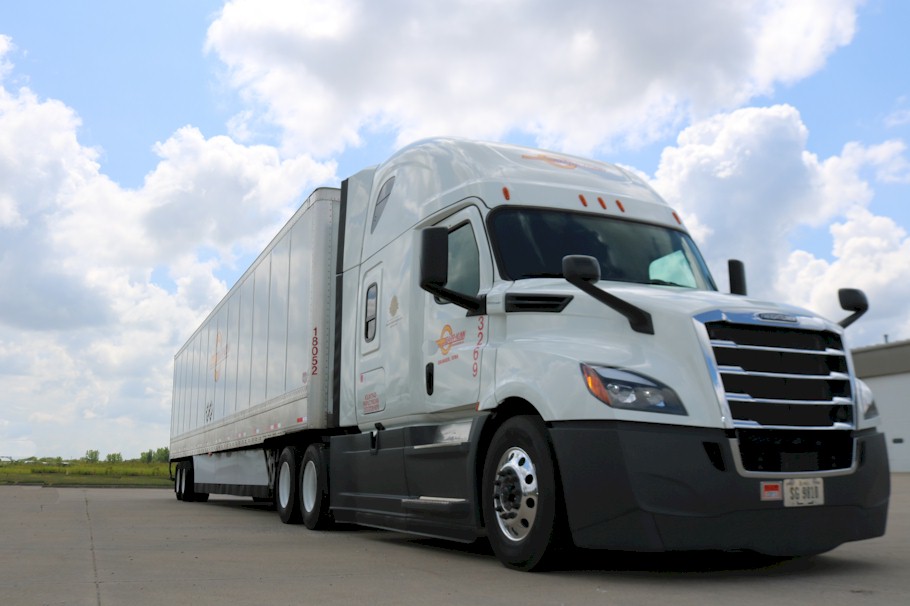
10 Things Experienced Truck Drivers Know That Rookies Don’t

It was once said that “Skill is the unified force of experience, intellect, and passion in their operation.” In the context of professional truck driving, this quote was never truer. The skill drivers gain through experience has led them to become knowledgeable masters of their trade. Most rookies simply do not have the driving experience and history to say the same. The following are 10 important things experienced truck drivers know that rookies do not:

1. Stay Healthy & Rest Up

Since the job of a professional truck driver is often sedentary, it takes a concerted effort on a driver’s part to stay healthy and get enough rest, which experienced drivers make a priority.

  • Eating healthy, even on the go. Although it’s harder to eat healthy when on the road, drivers can still buy pre-washed and cut fruit or opt for grilled meat as an alternative to fried items.
  • Drivers are making time for exercise. Understandably, this can be challenging. Experienced drivers are creative with this. They use folding bicycles that can be stowed in their berth and then use them when they park at a truck stop. They can also pack running shoes they can walk or jog with when stopped or purchase some weights and then secure them within the truck until using them.
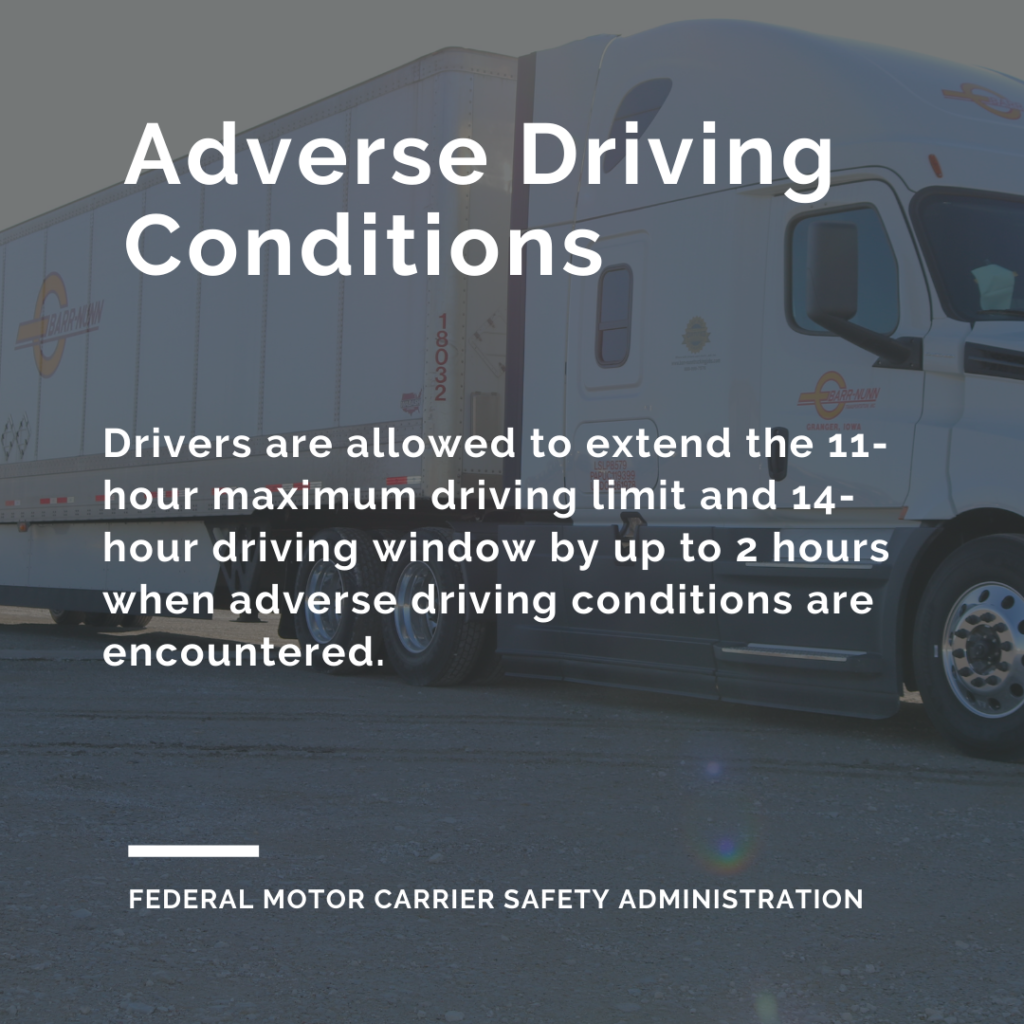
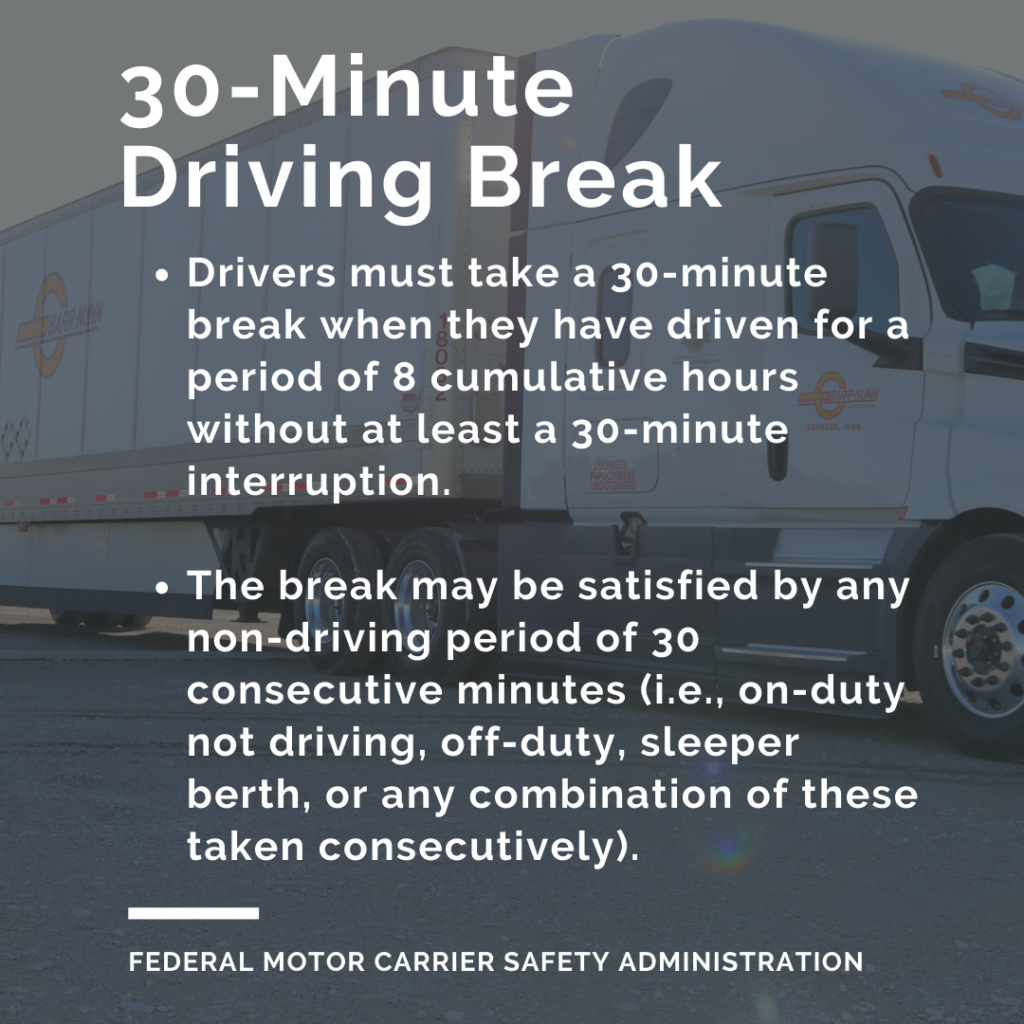
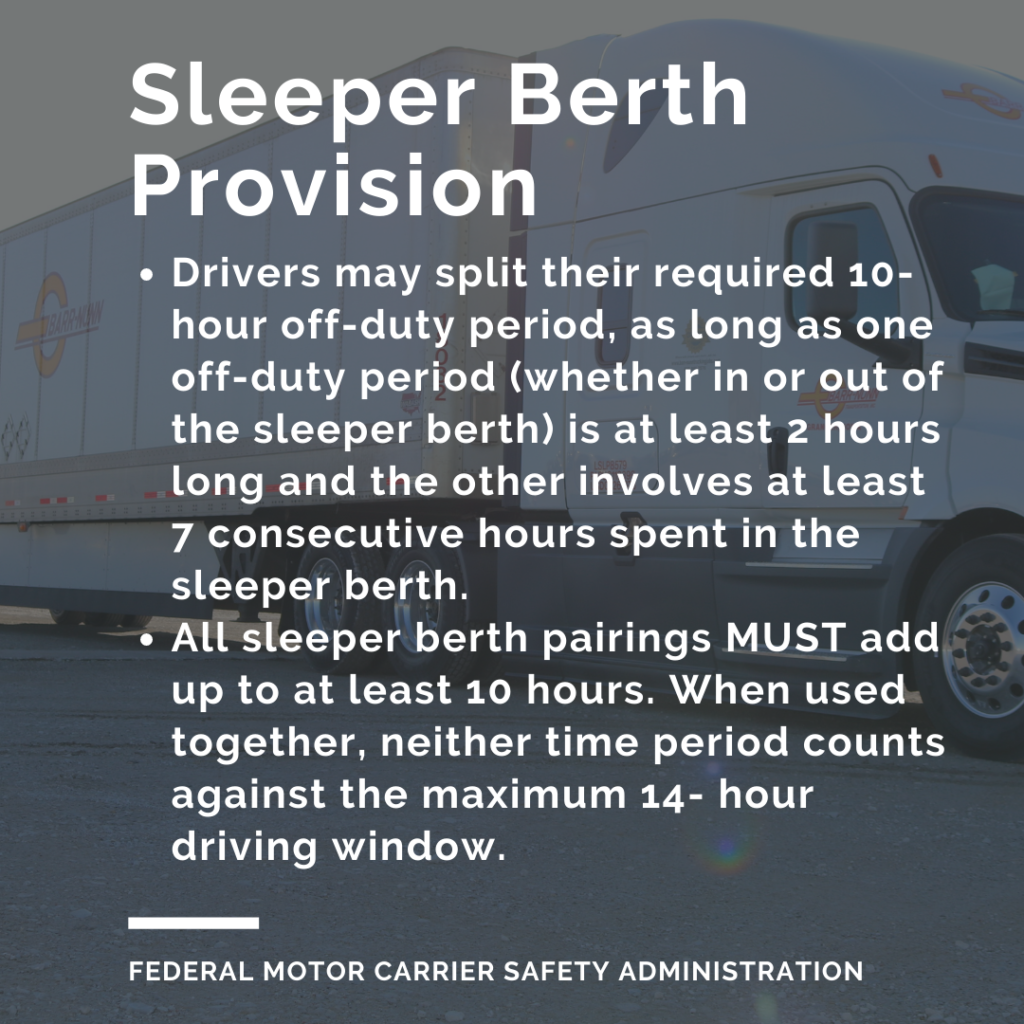
  • Getting adequate sleep. Drivers do this by investing in the right mattress and pillow for their sleeper berth. They might also include items like a portable fan or heater to ensure comfort when resting. The Federal Motor Carrier Safety Administration mandates a 30-minute break after 8 hours of driving and then at least a 10-hour break after 11 hours of driving. A wise driver takes advantage of these breaks to rest.
  • Drivers are keeping their minds engaged. Hours of driving can make the mind wander. To keep it engaged, experienced drivers will commit to keeping their minds engaged by listening to audiobooks, language tapes, or music along with other tricks to keep their brain healthy.

2. Understand the Importance of Pre-Trip Inspections

Skilled drivers with experience understand the importance of their pre-trip inspection. The following are elements that should always be considered a part of any standard pre-trip inspection. An experienced driver goes over their truck with a fine-tooth comb before they leave on any trip, checking the following:

  • Engine
  • Trailer
  • Brakes/Parking Brake
  • Lights
  • Hitch/Coupling Area
  • Cab

3. Keep Safety Before Anything Else

Above all else, experienced drivers understand the importance of staying safe and getting back home to their loved ones. Professional long-haul truck drivers are often hauling over 10,000 pounds, making safety more than a priority; it’s a necessity. Skilled drivers understand that the following should always be adhered to by any professional driver who wants to stay safe and keep others safe on the roadways:

  • Wear their seatbelts. Experienced truck drivers are strapping when the truck is moving.
  • Avoid using their cell phones. In many states, the use of cell phones while driving is illegal. Driving while using a phone is considered distracted driving and is extremely risky according to the United States Department of Transportation. If this behavior is risky for nonprofessional drivers, just imagine how cell phone use impacts big rig driving.
  • Obey speed limits. Professional drivers accept speed limits and obey them.
  • Maintain enough stopping distance. Drivers know how much space is enough to leave between them and other cars, which should always be adhered to.
  • Avoid drug and alcohol use. Drugs and alcohol impair a driver’s ability to operate their vehicle safely and should be avoided at all costs.

4. Know That People DO Call the 800-Number on the Truck

A wise driver will always remember that other drivers can and do call the 800-number listed on the back of their truck. A driver who is behaving recklessly or endangering others can be fired if they are reported via the 800-number. Rookie drivers should remember that the 800-number is always prominently displayed on the back of their truck and drive accordingly.

5. Respect the Shipyard and Customer Location Rules

Each customer has its own location rules that indicate how a driver should operate their vehicle while in the shipyard. These location rules could include the following:

  • Using appropriate speed.
  • Adhering to loading and unloading instructions of the protocol.
  • Conversing with receivers and shippers appropriately and professionally.
  • Understanding that they are a guest in the customer locations

6. Always Give The Trailer a Second Look

Even if they have already inspected their trailer before leaving, an experienced driver rechecks their trailer again when it is left for any period. They will also look over their shoulder before moving to ensure that their trailer is performing as it should.

7. Maintain Industry Relationships

There are many avenues of growth within the trucking industry—a great deal of them come through industry relationships. An experienced driver will never burn bridges with those within the industry. They understand there might be a need for a recommendation or job one day. They also aim to leave in good standing with former employers.

8. Ask for Help When Necessary

Even the most experienced driver will occasionally need help. They know when it’s time to ask for help and understand, asking for help doesn’t make them look foolish or hurt their ego. Seeking help is often about safety and the desire to learn the answer to a question they can use at another point in their career. It’s always about growth, which is something a skilled driver understands. Sometimes, rookies are hesitant to ask for help for fear they will be harshly judged for “not knowing” something, but everyone must learn. At some point, everyone is new. Therefore, a wise driver, whether they are new or experienced, will ask for help when necessary.

9. Understand That Changing Carriers Isn’t Always Advantageous

The adage “the grass isn’t always greener on the other side of the fence” applies here. While the lure of employment incentives might entice rookie drivers to change carriers, experienced professional truck drivers understand that most times, they are better off staying with one carrier and moving up within that company instead of bolting for every new offer.  There are specific situations where moving carriers help a career. It’s important to research it in depth before making a move because in most cases, staying put will end up being the best move career-wise.

10. Pay Attention to The Monthly Earnings Over Weekly Take Home

The last way experienced drivers understand the industry more than rookie drivers is by paying attention to their monthly, not weekly earnings. In professional truck driving, weekly earnings can be up and down a bit and vary. It can be difficult to use weekly earnings to judge overall income. Instead, a driver should consider their monthly income to predict their ongoing income more adequately.

Rookie drivers can learn a lot from experienced truck drivers who have been in the industry for years. A wise rookie will embrace their knowledge and shared experience and learn from those who have gone before. The 10 points listed above showcase the expertise experienced truck drivers have when compared to rookies. Any rookie driver who wants to understand these points better should seek out a skilled, experienced driver to learn more about these critical elements of the professional trucking industry.

Are you an experienced truck driver? Share a tip or trick only seasoned drivers would know. 

Barr-Nunn Transportation is hiring experienced truck drivers for solo and team trucking jobs. Apply today!

You may also enjoy: Dashcams For Truckers: What You Need to Know

What Is Regional Truck Driving?

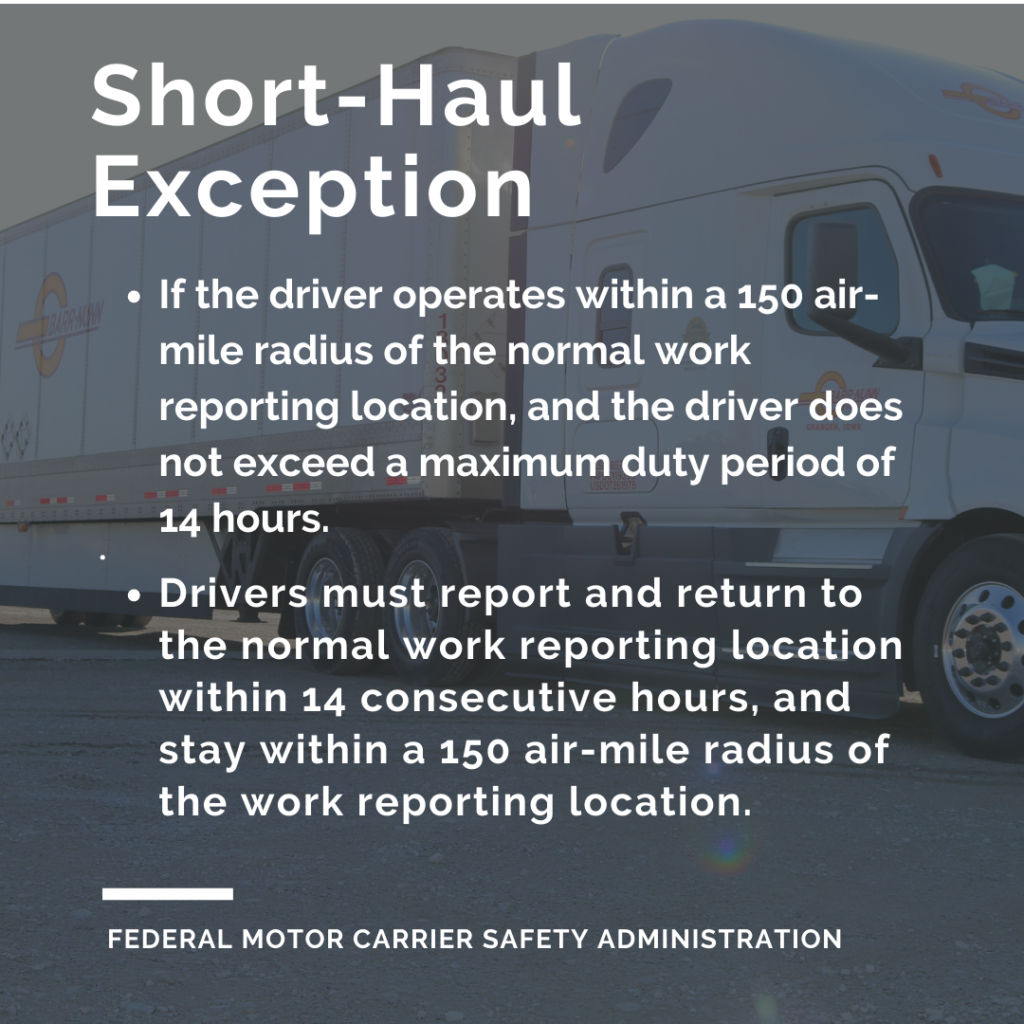
A regional truck driver is a professional driver who operates within a specific geographic region, typically covering a designated area or several neighboring states. Unlike long-haul drivers, regional truck drivers generally have shorter routes and return home more frequently, contributing to a more localized and predictable work schedule.

A CDL license today allows truckers to choose from a variety of driving positions. The trucking industry provides many lifestyle options for drivers. The goal is to find the right company and the right position to satisfy a taste for the open road. When considering your path, becoming a regional truck driver could be the perfect fit.

Types of Truck Driver Positions

In the world of trucking, there are several distinct driving positions, each with its unique characteristics and demands. These positions include OTR (Over the Road), dedicated, local, and regional truck driving roles.

Over-The-Road (OTR)

OTR refers to truck drivers hauling freight over long distances across the United States and Canada. Typically, drivers spend 3-4 weeks at a time on the road. Delivering items such as heavy freight, machinery, construction materials, and other equipment.

Dedicated

Truckers with a dedicated route service the same company, same freight, or location regularly. Often truck drivers pick up loads at regular locations and deliver to regular or dedicated customers.

Local

Local truck drivers have shorter delivery routes, typically delivering goods to customers within close proximity. These drivers are usually home daily, which makes local driving positions particularly attractive for those seeking a consistent work-life balance. Many local drivers are paid by the hour, in contrast to OTR or dedicated positions where compensation is often based on miles driven.

Regional Truck Driver Information

Regional trucking refers to the part of the country where a driver moves goods and materials, and makes deliveries. Drivers move through divisions or regions like the Northeast or the Midwest. Usually, drivers stay within a 1,000-mile radius of their home domicile. Regional truck drivers are generally home two days per week; in many cases, this time off falls on the weekend. Truck driving company policies typically dictate a certain number of days or hours required.


I’m a regional truck driver, so I’m home every weekend. Last year I grossed just over $83,000. If you are thinking about coming to Barr-Nunn, I think you’d be making a wise choice.

– Jim, 22-year Barr-Nunn Transportation Truck Driver

Benefits of Being a Regional Truck Driver

Regional truck driving offers several compelling advantages.

  • Home Time: Generally, regional truck drivers live in the same area in which they work, so home time is regular and more consistent. Regional trucking jobs are rewarding for truck drivers with a family or children because of the ample amount of home time.
  • Familiarity: Truck drivers operating within the region regularly become very familiar with the best routes, delivery requirements, and receiving company staff. Familiarity helps driver efficiency over time, and an enjoyable comfort level lowers stress.
  • No Loading or Unloading Freight: Many regional truck drivers are not required to handle the freight they haul. Companies often hire lumpers to handle the loading and unloading of goods, relieving drivers of this physically demanding aspect of the job.
  • Salary: According to the American Trucking Associations (ATA), an average regional truck driver’s annual salary is $53,000. While this figure can vary depending on factors like experience, the company you work for, and the specific region you serve, it is a competitive salary in the trucking industry.

Conclusion

Compared to other driving positions, regional truck driving stands out as an appealing career choice within the trucking industry. It caters to individuals who are passionate about the open road and prefer a more regular work schedule that includes frequent home time. If you are considering a career as a regional truck driver, Barr-Nunn Transportation offers positions that align with these preferences.

Whether you’re an experienced driver or just starting your trucking career, exploring the opportunities available at Barr-Nunn Transportation may be a wise decision. The combination of attractive benefits, job security, and a supportive work environment makes it a promising choice for those seeking a fulfilling career on the road. Find open positions or apply now.


You may also enjoy this article: Why You Should Become a Team Driver

What to Look for in OTR Truck Driving Companies

You have been driving a truck for a few years and are starting to look around at other opportunities. Once you decide whether to work for a private fleet, as a team driver, drive oversized rigs, operate hazmat vehicles, heavy haul, flat, tanker, into reefer or dry van – it is time to find the right driving company. Choosing the right carrier can impact your long-term success. The perfect fit can affect career advancement opportunities, potential bonuses, the equipment you use, the benefits you enjoy, your rate of pay, and even your ability to find the perfect route. When choosing OTR truck driving companies, consider the following factors:

Are They Top Pay Certified?

The first factor you want to consider is top pay certification, awarded by the National Transportation Institute indicating a company meets a three-part qualification. Qualifications include providing top-tier pay, job security, retirement options, and health and wellness coverage. Each qualification is reviewed annually. A carrier must rank in the top 10% of driver income potential to meet the top pay certification. An important ranking factor is carrier stability, an indicator of a driver’s job security.

Barr-Nunn Transportation has been recognized as a top-pay-certified carrier for over 15 years.

Do They Have a Practical Mileage Pay Program?

Experienced truckers like to benefit from performance and productivity metrics. Some carriers let drivers earn additional money for things like miles driven, fuel economy, and on-time deliveries. It is a more accurate assessment of your actual miles driven and awards your hard work more fairly.

Barr-Nunn pays based on practical miles. Plus, we have we call Band Pay, which applies to Solo Truck Drivers, who are paid by the mile. Based on loads of 550 miles or less, there can be additional compensation for shorter loads.

What Driver Positions Do They Offer?

Most experienced truckers understand what kind of driver position is best for them and their lifestyle. Some drivers like the open road and are OK staying out longer. Others find it is best to work alone. And some drivers want to stay as close to home as possible. And then some like companionship and support on the road. Ask yourself if you are going to be part of team driving, drive OTR, or be a regional driver.

Barr-Nunn offers team, OTR, and regional truck driver positions. 

How Much Time Can Drivers Spend at Home?

Most truck drivers want to know how much time you can expect to spend at home with your family, the people who mean the most. After all, only a small percentage of truckers want a job distancing them entirely from family and friends. Finding a carrier with the ability to find the balance between hauling loads and family is an essential part of being happy as a truck driver.

At Barr-Nunn Transportation, regional drivers can expect to enjoy two-day weekends with their families, OTR will see their families for three or four days every 11 or 18 days and team drivers stay home four to seven days every 18 or 21 of driving. 

What Are the Driver Benefits?

Another critical aspect of any potential employer is the benefits package. The quality of health and dental coverage should be at the top of your must-have list. To avoid being surprised at the time, it takes to get coverage, we recommend you ask before accepting any position. Many truckers are interested in other benefits like life insurance, legal advice, and private counseling. Size up all your potential carriers’ benefits to avoid problems down the road.

Barr-Nunn offers a superior matching 401K, after only 90 days of employment. We also provide BCBS heatlh insurance, which starts the first of the month after an employee has worked 60 days, $10K free life insurance, and Delta Dental coverage.

What About Pay Raises?

How do you earn a pay increase? Is it only when the company feels you have earned it and evaluated you? What if you get lost in the weeds, and they forget to give you an increase you have earned? Are these pay raises in writing, or solely up to if your manager feels like giving you a raise? Ask questions during an interview or orientation to determine what types of pay raises a carrier offers.

At Barr-Nunn, drivers automatically earn your pay increase by logging miles. Driver pay will go up a half-cent every 20,000 to 40,000 safe paid miles. 


Barr-Nunn has made more upward changes in driver pay than any other similar carrier in the U.S. in the last ten year.

– Gordon Klemp, National Transportation Institute President & CEO

What About Safety Bonuses?

Your carrier should not be the only one benefiting from your stellar safety record. Quality OTR truck driving companies incentivize truckers to deliver goods on-time and safely. Your new carrier should have a well-defined safety bonus program in place.

At Barr-Nunn, drivers earn safety bonuses of between $650 and $975 every 90 days, plus an extra day off or vacation day.

How Safe is the OTR Truck Driving Company?

It stands to reason you want to work with a company that places a high value on safety. You know you are a safe driver, but what about the rest of the drivers? What do customers say about the safety record of your new carrier? The safety reputation of the company you drive for could have an impact on your ability to make money or when applying to another carrier.

Barr-Nunn Transportation has consistently low safety scores (a good thing)  based on the U.S. Department of Transportation standards. 

What About Maintenance and Equipment Quality?

Some carriers let maintenance issues go far beyond safety standards, putting you and others on the road in danger. You want a carrier who puts prioritizes equipment safety and has well-maintained service records. You should consider touring carrier shops and talking to mechanics during an interview or orientation.

At Barr-Nunn,they fix issues immediately. The safety or our drivers and the motoring public are our highest priority.

What Do Terminal Amenities Include?

After a successful haul or a stop through a terminal, a nice place to regroup and rest is underrated. You can tell a lot about a carrier by the driver terminals and the amenities. What do driver lounges offer? Can you refresh with a nice shower? Can you do a load of laundry before you get back on the road?

At Barr-Nunn, we provide laundry, lounge areas, showers, and parking spots at all our terminals in PA, OH, NC, and Iowa. 

Are Driver Referral Rewards Offered?

Carriers with happy drivers want happy drivers to refer qualified truckers to fill open positions. Quality carriers incentivize drivers who refer other truckers. If you have a large network of truck driving friends, you want to benefit from word-of-mouth hires. Your ability to attract quality drivers should be rewarded.

Barr-Nunn encourages and rewards drivers for referrals. Following successful orientations, graduations, and the first 90 days on the road, you start to earn money on referrals. 

When You Do Take a New Position with an OTR Truck Driving Company

Stay positive and give it time. Adjusting to a new carrier takes time and patience for you and them.

Communicate, communicate, and communicate. Ask questions and ask for feedback on how you are doing

Talk to other drivers at the company. Those that have been with the company can provide valuable feedback

Stay put. Constantly switching carriers for a big sign-on bonus or big promises of earning potential may not be the best route to happiness.

Final Word on What to Look for in OTR Truck Driving Companies

OTR truck driving companies fitting for you and your needs are out there. You will need to do some homework, figure out which aspects of a carrier are most important to you, and find drivers who can offer some company insight. Carrier culture should be relevant to you and using our guide should steer you in the right direction.


If Barr-Nunn Transportation feels like a good fit for you, search driver positions, apply now, or call us at (888) 999-7576.


You may also enjoy this article: ELD Compliance in 2020: What You Need to Know

6 Reasons Why You Should Become a Team Truck Driver

Some people love the idea of striking out on their own. Not only are they free to carve their own way, but they’re also free to make their own mistakes. But when it comes to succeeding in the trucking industry, too many solo drivers end up learning the hard way that it doesn’t pay to go it alone — literally. We’ll look at the reasons why becoming a team driver can make you more money and deliver a better experience when you’re on the road.

1. Team Truck Drivers Make More Money

Did you catch the bit about making more money in the first paragraph? Because we really can’t hammer this point home enough. If you’re in this business to make a living, you owe it to yourself to start building your wealth as quickly as you can. Team drivers make more money because they can keep their trucks going for roughly twice as long as a single driver would. Very often team driver pay scale is higher than solo drivers. Even though you’re splitting the profits, you’re also making your deliveries in half the time as a solo driver. It means you can work longer and more efficiently.

2. You Get a Real Break

While solo drivers are mandated to rest to ensure everyone’s safety, it’s not always easy to really relax and recoup when you know someone’s waiting for your freight. With team driving, you get to take a break without having to worry about your income or deadline. While one person rests, the other one picks up the driving.

3. Team Driving Gives You Someone to Talk to

While there will be time spent switching between resting/sleeping and driving, driving teams will have the chance to spend time with someone else. Some people team up with a friend or even a spouse, so they can reduce the possibility of personality friction when on the road. Trucking can be a great way to spend time with the people you love while making a comfortable living. So if you’re tired of missing home when you’re out and about, take home with you when you become a team driver.

4. Team Truck Drivers Keep the Supply Chain Going

The supply chain is a vital part of the US economy, and the cargo carried from place to place is an integral part of ensuring everyone gets what they need. When you drive in a team, everything moves faster. Companies and companies across the nation can rest easy that the freight will be delivered and the inventory will be restocked. From medication to produce, team drivers can help reduce shortages in the many towns and cities they service. A solo driver is limited to how many hours they can drive, which can easily put them behind the curve.

5. Team Driving Gives You a Built-In Strategist

When you’re with a team, it’s easier to identify and solve the problems before they balloon into catastrophes. From when to stop for gas to how to arrange the freight, there are a number of ways for truckers to become better at what they do. Even shaving off a few minutes per driver can quickly add up over the course of the year. For solo drivers, it may take longer to catch these issues, especially if they’re shouldering the pressures without any help.

6. Team Drivers Can See It All

Truckers have the opportunity to travel without the associated costs that normally keep people at home. Some team drivers will choose routes that take them through some of the most scenic areas in the US, a practice that has led many truckers to truly cherish their time on the job. As you’re exploring the best the nation has to offer, you’re also perfecting invaluable skills that will help you in your everyday life. From general problem-solving to serious crisis management, team drivers have a chance to better themselves together.

People Also Ask

What does it mean to be a team truck driver?

A team truck driver is part of a pair of drivers who operate a single truck together. They take turns driving and resting, allowing the truck to stay on the road for longer periods without needing to stop as frequently. This setup maximizes driving time and productivity.

What is the highest-paying truck driver job?

The highest-paying truck driver jobs are typically in specialized fields, such as hazardous materials (hazmat) driving, tanker hauling, or oversized load transport. Team drivers also tend to earn more than solo drivers due to the increased mileage and workload. Additionally, owner-operators who manage their own trucks and contracts can earn significantly more, depending on their business acumen and market conditions.

What is the difference between solo and team truck driving?

Solo truck driving involves one driver who manages all driving, resting, and responsibilities alone. They typically have more control over their schedule but must stop more frequently for rest. Team truck driving, on the other hand, involves two drivers sharing the workload, which allows for more continuous operation and quicker delivery times since one driver can rest while the other drives.

How do team truck drivers sleep?

Team truck drivers sleep in shifts while the other partner is driving. Most long-haul trucks have a sleeper cab, which includes a bed or bunk area behind the driver’s seat. This arrangement allows one driver to rest while the other drives, ensuring the truck remains in motion for longer periods.

How many miles can team drivers drive in a week?

Team drivers can cover between 5,000 to 6,000 miles in a week on average. This is significantly higher than solo drivers, who typically cover around 2,500 to 3,500 miles per week. The higher mileage is possible because the truck is moving almost constantly, with only short breaks for refueling, loading, and unloading.

How to Choose a Team Truck Driving Partner

Whether you’re just getting started or you’ve been a solo driver for a while, consider the people in your personal network and whether they’d be good candidates to form a capable team with you. It could be a friend, a colleague, or even your wife or husband. You may be surprised at the amount of husband and wife team truck driving jobs available today. The key is to choose someone with whom you can share everything, from space to responsibilities. Each person needs to be willing to fulfill their side of the bargain to indeed form a lasting and successful partnership. From there, you can establish a team that gets more done, helps more people, and, ultimately, makes more money per year.

Looking for a team truck driving job? Apply Now or Search Truck Driving Positions

What is a team truck driver? Read our blog post: Team Trucking in 2020 and Beyond.

Dashcams For Truckers: What You Need to Know

A truck dashcam is a tool utilizing technology for the betterment of the trucking industry. Dashcams for truckers work by recording every minute a truck is in operation and sometimes when parked, showcasing what’s going on both inside and outside the cab.

Benefits of Dashcams

There are many situations this type of recording is advantageous.

In Case of an Accident

If a truck driver happens to experience an accident while operating their vehicle, blame can be placed on a driver, even if they are not in fact at fault. In many cases, it comes down to one person’s word against another, and if there are no witnesses to say otherwise, an innocent driver can easily be blamed for an accident that wasn’t truly their fault. A dash can become an innocent driver’s best piece of evidence to prove their innocence. After all, video feed doesn’t lie. Since the Federal Motor Carrier Safety Administration (FMCSA) states there are more than 400,000 accidents involving commercial trucks yearly, dashcams should be considered a nearly vital piece of equipment for all professional drivers.

Allows Drivers to Check on Trucks, Even When Away

Another benefit of a dashcam is to show what has happened when a driver is away from their truck. Imagine a situation where a driver is inside a restaurant and comes back out to an unexpected ding in the bumper on their parked truck. The dashcam video will reveal what happened while the driver was away. This information can be extremely helpful to find the person at fault for damage to an expensive truck. Admittedly, not all dashcams have the ability to record when the truck isn’t in operation, but it is a possible option that can be extremely helpful.  

Aids in Training

Dashcams can also be utilized to train new drivers. Since a dashcam records what a driver sees, watching the recording afterward can give trainers the ability to correct improper technique in their drivers. In other words, the dashcam serves as a substitute ride along with the trainer. Although the corrections won’t be instantly implemented, the corrections can be made once the video is reviewed. In addition, the dashcam will not completely take the place of an Electronic Logging Device (ELD) but can work in conjunction with this required piece of equipment.

Identifies Careless Drivers

For fleet owners, dash cameras can be an invaluable way to ensure drivers are operating their trucks properly. The recording aspect allows owners to determine if their drivers are obeying their training and performing safely on roadways by reviewing video footage.  

Saves Money

Unfortunately, just having a dashcam won’t in and of itself reduce a truck’s insurance rates. However, since insurance rates are often impacted by motor vehicle reports, by proving an accused driver is not at fault for an accident, the video proof can save a driver a hike in insurance premiums.

Evaluating Dashcams for Truckers

Once a driver has made the decision to invest in a dashcam, they should consider the following elements:

  • Price: Dashcams can range in price from as little as $40 to as much as $500. The cost will depend greatly on the features of the particular dashcam.
  • Features: A few of the features that drivers should contemplate when choosing a dash cam include:
    • Automatic looping.
    • Microphones.
    • Location and time tracking.
    • Accelerometers.
    • Camera mounts.

The Best Dashcams For Truckers Available

The following are a few of the best dash cams drivers can purchase, along with their features:

Wheel/Witness HD PRO Dash Cam with GPS: $124.99

This camera, made by Ambarella, features a 170-degree super-wide lens. It records everything in front of the truck in crisp 2304x1296P, Super HD 2k resolution.

More features:

  • Continuous loop recording. The camera records automatically until the microSD card is full. Once the card is full, the oldest file is replaced with new ones.
  • GPS Enabled: Drivers can follow video alongside Google Maps on their screen, revealing where the driver was during the recording.
  • Three possible mounting locations, including two sticky mounts and one suction cup.
  • Night video equipped.
  • Easy-to-use interface, allowing drivers to begin using the product immediately.

ROAV by Anker Dash Cam C1: $72.99

This device features a Sony Sensor and a 1080p FHD wide-angle dashcam.

More features:

  • Motion-Activated: This device activates the camera the instant the truck is moved or bumped.
  • It comes with a quick start guide.
  • 12-month warranty.
  • Dual-port charger.
  • Drivers can access camera recordings via an app on their mobile devices.

Vantrue N2 Pro Dual Dash Cam: $199.99

The Vantrue features both inside and outside views. The front camera is a 310-degree camera. This device also features a motion sensor, a 24-hour parking mode, and infrared night vision capacity.

More features:

  • Loop recording: This camera overwrites the oldest footage with the newest.
  • Auto LCD off timer.
  • Audio recording with a built-in microphone.
  • Optional GPS.
  • An automatic sensor that detects a collision/shake that locks the footage in an event file, preventing video overwrite.
  • 18-month warranty.

OldShark Dash Cam: $49.99

This dashcam features a 170-degree wide-angle dashcam, with a 32GB recording card.

More features:

  • Parking mode, detecting collisions.
  • Night vision, with superior resolution.
  • Sony sensor that captures detail for a superior visual experience.
  • Easy to use, with windshield mount.
  • Loop recording, which overwrites old recordings continuously.
  • G-sensors that detect collision.
  • Camera powers on when the engine starts and turns off when the engine is turned off.

Dashcams for Truckers: Bottom Line

Dashcams are a worthwhile investment for any professional truck driver. The security and peace of mind they provide, make them an ideal addition to every truck driver’s cab. The above are a few of the best dash cams on the market as well as information on why drivers should consider them a necessary piece of equipment for operating a commercial truck. Dashcams might not be required equipment for commercial fleets, but their presence is extremely helpful.

Looking for a truck driving job? Apply Now or Search Driving Positions.

What Makes Truck Driving an Essential Service?

Amid the unprecedented COVID-19 pandemic that hit the nation full-force, all jobs have now been divided into two categories–essential services and nonessential services. Most recognize the important role doctors, nurses, and other medical professionals play in this medical catastrophe; however, other industries are just as essential when it comes to keeping the country moving.

Most Important Items

For example, without the transportation industry, there would be no way to transport the various vital items that enable other industries and professionals to do their jobs. In fact, trucking underpins nearly all other crucial industries by carrying the following:

  • Groceries: Food, milk, drinks, etc.
  • Cleaning Supplies: The way individuals, both in a residential and commercial setting, prevent the spread of the virus through deep and regular cleaning.
  • Medical Supplies and/or Medicines: What could be more critical when it comes to sustaining life than medicines and medical supplies getting from where they are to where they need to go?
  • Electronics: This includes, but is not limited to, virtualization technology.
  • Construction Material: In both commercial and residential capacities.
  • Fuel: To keep essential workers moving from home to their jobs and to ensure trucks have the fuel needed to continue transporting vital goods.

Trucking, the Most Essential Service

Trucking is an essential service, necessary to get all the above items from one location to another. There is no way for this country to maintain order and civility without the trucking industry. In fact, according to the U.S. Department of Homeland Security, an agency that was tasked with defining essential jobs, among other crucial duties, truckers were described as “critical infrastructure workers.” The following is a segment from the official report published by Homeland Security:

“Functioning critical infrastructure is imperative during the response to the COVID-19 emergency for both public health and safety as well as community well-being. Certain critical infrastructure industries have a special responsibility in these times to continue operations.”

Obviously, the trucking industry is considered one of the “critical infrastructure industries” mentioned in this statement.

Changes in Regulations

The Federal Motor Carrier Safety Administration recently reduced regulations on commercial drivers, allowing them to drive more extended hours than was previously allowed if they are hauling essential items, such as fuel, groceries, and/or medical supplies. This means that while other industries are reducing hours, laying employees off, or are grinding to a halt altogether, truck driving jobs are still available and even in higher demand.

Thank a Truck Driver

Truckers, the unsung heroes of this pandemic, deserve a big pat on the back and a hearty “thank you”! As outlined above, the country requires the transportation industry to remain robust and active to prevent complete chaos and risk the lives of many individuals if needed medical supplies or other vital items are not transported. Therefore, truckers deserve just as much praise as other essential professionals, as they are literally keeping the wheels spinning on America’s critical infrastructure.

How to Become Part of an Essential Service Team

The current increased demand for transported goods will probably dwindle somewhat as the COVID-19 pandemic passes. However, the role truckers are playing in the whole scenario highlights the immense need for truckers, defining them as essential workers.

Therefore, truck driving jobs are now and will remain plentiful for the foreseeable future, mainly to restock depleted goods across the nation. Anyone who has at least one year of recent OTR experience within the industry can reenter a field that is always considered essential and will never become obsolete, even in the middle of a crisis.

Truckers with a CDL who are currently working as truckers and who have a year of OTR experience should consider driving with us at Barr-Nunn Trucking to become part of our fantastic team of essential workers. Also, if a person’s current employment is deemed to be nonessential, now is a great time to consider completing a quality training program to become certified as a professional truck driver.

Looking for a truck driving job? Apply Now or Search Driving Positions.

Top 8 COVID-19 Safety Tips for Barr-Nunn Drivers

Our highest priority is the health and safety of our drivers and the communities we serve. As a Barr-Nunn Transportation driver, you are part of the nation’s Essential Services and desperately needed to keep America running. We urge you to take all necessary precautions to keep yourself, fellow employees, our business partners, and the public safe. The following are the top 8 safety tips for Barr-Nunn drivers, resources, and links to help you stay safe while delivering essential goods.

1.) Wash Your Hands & Disinfect Them Regularly

According to the Centers for Disease Control and Prevention (CDC), one of the best ways to protect against contracting COVID-19, is to wash your hands and disinfect them regularly. The CDC website offers these tips: Wash hands with soap and water for at least 20 seconds. If soap is unavailable, use a hand sanitizer containing at least 60% alcohol.

2.) Regularly Wipe Down Your Cab Surfaces

The CDC warns that contaminated surfaces and/or objects can be a source of germs and viruses. It is important to wipe and disinfect your cab areas frequently to keep yourself or your teammate protected. Be sure to clean your cab after stops for fuel, food, or after being in public areas.

3.) Keep Driving Defensively

While fewer pedestrian vehicles are on the roadways, commercial vehicles like yours are still traveling. Implement your defensive driving training to protect yourself, your teammates, and other drivers. The most important way to stay safe is to stay alert.

4.) Keep Social Distancing

Maintain social distancing practices at all times. The CDC defines social distancing as keeping at least 6-ft from others, avoiding crowds and large gatherings, and wearing a mask when possible. Social distancing is not always possible in every situation. Use your best judgment and protect yourself with common sense.  

5.) If You are Not Feeling Well, Self-Quarantine

Should you start to feel ill, please be proactive and self-quarantine. Avoid pushing on because “the job needs to get done.” Contact your Team Leader and discuss the best plan of action.

6.) Communicate with Your Team Leader

If you have questions or concerns pertaining to how to stay safe, or other issues related to driving during the COVID-19 pandemic, please contact your Team Leader. Your Barr-Nunn Team Leader and all the support staff are here to help.

7.) Keep Eating Healthy

One of the best ways to stay safe is to continue eating healthy. The American Society for Nutrition explains a balanced and nutrient-rich diet improves your body’s overall immune system. When making food choices on the road, go for healthy options over high-sugar or high-calorie items.

8.) Use Barr-Nunn Terminals

The following terminals are available to you:

COVID-19 Safety Tips for Barr-Nunn Drivers Conclusion

As a Barr-Nunn Transportation frontline worker during the COVID-19 pandemic, we thank you for your dedication to keeping America running. You are answering the call at this critical time in our country, keeping critical supplies on store shelves, and ensuring our economy keeps moving. Your efforts demand both our respect and admiration.

If you have questions or suggestions to add to our list of COVID-19 Safety Tips for Barr-Nunn Drivers, please feel free to call us at (551) 999-3011 or email HR@Barr-Nunn.com.

Looking for a truck driving job? Apply Now or Search Driving Positions.

ELD Compliance in 2020: What You Need to Know

The Electric Logging Device (ELD) Rule was put into effect by the Federal Motor Carrier Safety Administration (FMCSA) on December 18, 2017. This mandate was softly enforced, giving the transportation industry time to become compliant by December 16, 2019. This is the date to ensure all trucks had a working electronic logging device (ELD). Below is more information on the upcoming changes regarding ELD compliance:

What is an Electronic Logging Device?

Before delving into what changes can be expected in 2020 with ELD compliance, it’s important to understand what ELD means. An ELD is a device that tracks service hours. It is designed to replace devices like an Electronic on-Board Recorder (EOBR) or an Automatic On-Board Recording Device (AOBRD). These devices track Record of Duty Statuses (RODs). ELDs must meet Federal Motor Carrier Safety Association standards to be considered in compliance with the ELD mandate.

ELD Compliance in 2020: What You Need to Know

ELD mandate compliance has been a gradual process as mentioned above. However, most motor carrier operations were ELD mandate compliant within the first months of the year 2018.  Operations that had previously used AOBRDs were given until December 16, 2019, to completely switch to an FMCSA approved ELD device. By 2020, ALL commercial motor vehicles are required to have an approved ELD installed to be considered compliant.

The Grace Period For Compliance is Slowly Ending

The grace period once given by officials to allow companies time to completely switch to ELDs is slowly ending. However, presently, there is still a bit of a grace period. Truck drivers who are pulled over for roadside inspections must have the following on board to avoid penalties.

Must Have Items to Avoid Penalties:

·       Instructions explaining the data transfer mechanism that is supported by ELD.

·       An instruction sheet that reports any ELD malfunctions.

·       A regulation-compliant, registered, certified ELD.

·       A user manual for the ELD.

·       Paper log sheets, serving as a back-up.

What Happens if Drivers Are Found Non-Compliant?

Drivers who are pulled over without the above items, without a grandfathered-in AOBRDs or who are not exempt from the mandate will be subject to a penalty in the form of a fine. This fine can be substantial, which could amount to thousands of dollars!

Upcoming Concerns and Issues About The ELD Mandate

Admittedly, adhering to the mandate and making the necessary changes to become ELD compliant is a massive undertaking. After all, there are thousands of trucks on the road at any given time in the United States. However, the safety improvement associated with the ELD mandate is expected to dramatically improve roadway conditions for both professional and pedestrian drivers. Consequently, the logistics of ELD implementation is worthwhile.

Problems That Could Creep Up in The Coming Months and Years

The following are some upcoming issues that might be problematic in the upcoming months and years relating to ELD compliance:

·       Crowded Rest Stops: ELD mandate determines the amount of rest hours a trucker should log. The need for them to log rest hours in order to be ELD compliant could lead to overcrowded rest stops.

·       More Fines And Tickets: Operators who continue to push back against the ELD mandate will face ever growing penalties, which means more tickets and fines. This problem will diminish as more and more operators become compliant.   

·       ELDs Aren’t Always Allowed: Some areas of the nation, like government contractor facilities, do not allow vehicles on property that have ELDs.

Additional Questions Answered About ELD Compliance

Who Must Comply With ELD Mandate?

The ELD mandate applies to most commercial motor vehicles. According to estimates, this represents over 3.5 million truckers. If drivers wonder if they will fall under the mandate and be required to comply, they should consider the fact that in most cases, if they currently keep a logbook, they will be required to follow the ELD rule.

Are Any Drivers or Companies Exempt From The Rule?

Yes, there are some types of trucks that do not have to comply with the ELD mandate. They are as follows:

·       Short-haul drivers. These drivers log no more than 8 days of driving during a 30-day period and currently maintain a Record of Duty Status (RODS).

·       Short-haul drivers who have and maintain RODS.

·       Tow-away drivers.

·       Any vehicles that have a pre-2000 model engine.

What Are The ELD Mandate Compliance Requirements?

The following are the requirements to be considered ELD compliant:

·       Carriers and drivers must keep all supporting documents (as mentioned above) for a stipulated period of time.

·       All ELDs should be shared with law enforcing authorities and safety officials.

·       ELDs should be certified.

·       ELDs should conform in both technology and design to FMCSA standards.

How to Know if a Specific Device is ELD Compliant?

According to the FMCSA, you can access the registered ELD devices that are compliant with the mandate. They are listed here. Owners and operators should be aware that ELD systems that are cellular based can be a risky proposition. If a driver happens to travel outside the boundary of good cell service, their cellular coverage can become spotty or nonexistent. This, in turn, can mean driving data won’t be synced properly. The FMCSA recommends an ELD system that relies on USB and Bluetooth connections to relay data between the engine and the drivers’ mobile apps to prevent this problem.

Can The Use of Mobile E-Logs Take the Place of ELDs?

No. The ELD mandate demands ELD to be connected to the engine of the vehicle. Therefore, even an E-log is not a sufficient substitution and will not be considered ELD compliant.

The ELD Compliance Mandate is Worthwhile

The implementation of a new ELD system into thousands of trucks nationwide can seem arduous. However, the safety benefits are substantial enough to make the ELD mandate worthwhile. In addition, even if drivers don’t want to embrace the change, they are legally required to do so as of mid-December 2019. Therefore, implementing the mandate sooner rather than later is advisable.


Looking for a truck driving job? Apply Now or Search Driving Positions.


You may also enjoy this article: Dashcams For Truckers: What You Need to Know

Team Trucking in 2020 and Beyond

Team trucking is on the rise in 2020, and it is poised for years of growth.

What are the main reasons team trucking is taking off?

  • Friends are teaming up and hitting the road.
  • Many women are getting into trucking as a second career, and many enjoy coming on board as team truckers.
  • New truckers are needed in the industry, and team trucking offers an option that might increase the driving population.
  • The trucking industry is beginning to realize great untapped potential in the team approach to driving.

At Barr-Nunn Transportation, we have positions open not just for solo drivers, but also for team truckers. Here’s what it’s about, and some aspects to consider if you’re thinking of driving as a team member.

Are You Cut Out for Driving as a Team Trucker? 

While many truckers prefer to drive alone, some prefer the team approach in which two truckers alternate shifts between on-duty and off-duty on their drives. With two people sleeping in shifts, the truck keeps rolling and the load keeps moving. This is good for the trucking company. And drivers make money for their total miles – which, of course, add up much faster when two people are taking turns at the wheel. 

And yes: team driving is in high demand in the industry in 2020. The growth outlook is very good. At Barr-Nunn, we point out that the team approach can definitely be a way into a trucking career in 2020 and beyond.

If you’re thinking of becoming a team driver in the near future and would like to prepare mentally, the following are some insights.

It Comes Down to Your Outlook, Preferences, and Partner

First, assess your personality. Are you an extrovert? Or do you just think you’d like to travel with a pal? If so, team driving might be just the factor that makes a trucker’s life work for you.

For people who like to handle things alone, team driving might just become nerve-wracking. You know yourself best.

Even though you’re part of a team, you’re not always interacting with each other, because one or the other is usually sleeping. (This is a good place to note that only two hours of off-duty time is allowed in the passenger seat. Drivers need to be in the sleeper berth for 8 of the mandatory 10 off-duty hours.)

As for breaks, team partners have to make their schedules fit their partners’ schedules, and their delivery timetables as well. That can get stressful unless the pair is remarkably compatible.

The main thing is this. You’re riding with another human being for days or weeks. If you no longer click with or lose trust in, your partner, this makes it nearly impossible to keep working together. But for some people who work with us at Barr-Nunn, partner driving makes their career fulfilling. 

Pairing Up: A Driving Partnership Can Be a Life Partnership

Your partner must share the work equally with you and must be someone you can trust completely. Maybe it’s no surprise that some of our ace teams are married couples.

For the couple that’s cut out for it, driving with your life partner can be a unique and precious benefit. Rather than being apart while the other is on the road for long hauls, the two partners can work together and look after each other.

Did you know women truckers accumulate more mileage than men do? It’s one of the notable recent trends in trucking and it happens because female truckers often drive in teams and can switch with a teammate whenever one driver gets to their driving limit. Women tend to have excellent safety records and are less likely to leave the industry, too. Are you looking for a partner with great stamina? There is so much to be said for women truckers. If you happen to be one of them or want to get started, we heartily welcome you.

For the Right Partners, Team Driving Has Its Perks

Team driving is different — some drivers love it and some don’t. There’s someone there to help with the inspections and fixes. There’s someone to guide you as you’re backing up or parking in a tricky spot.

And, of course, there is someone to take the loneliness out of the longer rides. Back in the heyday of CB radio, there were plenty of conversations. Today, it’s different. Everyone has smartphones but no one is allowed to talk on them while driving. 

Being away from home for long hauls can take its toll on some people. Interesting studies have appeared in recent years about truck drivers’ mental health and how important social relationships can be to protecting everything from heart health to longevity. Close relationships with other people can uplift our moods, strengthen our immune systems, and increase our life spans. It’s a fascinating line of research and adds yet another reason to appreciate the friendships forged for life in the trucking world.

You might have a good friend in the industry, and decide to pair up. If your friend does not have OTR driving qualifications, speak with us to see about bringing your friend on board with CDL and OTR training.

Will Teamwork Make Your Dream Work?

Yes, we couldn’t resist that one.

Ask yourself:

  • Can I trust my partner 100%?
  • Does my partner have the stamina and mental strength to perform consistently on the road, day and night?
  • And what about the other person’s view? Am I good company in tight quarters? Am I a good communicator? Am I organized and tidy? Do I mind handling more than a 50-50 share of the work when the other person is under the weather?

Respect for the other person involves being sensitive about details that you wouldn’t bother about if it were just up to you. When sharing the same space for extended periods, it’s important to do all you can to avoid a cold, pay special attention to hygiene, avoid bean dip and burritos, keep the music volume down, and avoid bumpy or sharp moves. 

Are You OK With All That?

Now to add one more (really big) thing. Both of you will be working out your sleeping patterns and getting used to your off-duty time while the truck’s rolling.

Have you tried to sleep on a train or plane? If so, you know what we mean. Will you be refreshed? How will you split day and night driving? What if you need to change shifts? Will you be able to work out your preferences?

Sleep is a major factor in keeping you safe, and safety is your first priority, so think carefully about this: In a very real sense, you’ll need to be able to trust your partner with your life, and vice versa.

If you’ve already qualified for OTR, you have had a taste of team driving. As part of your training course, you drove with a mentor. Were you comfortable with that – or itching for the time you’d be on your own? That tells you a lot about whether you’re cut out for team trucking.

At Most Companies, the Pay Might Not Differ Greatly From the Solo Driver’s Rate. But at Barr-Nunn, You Will Earn More as a Team.

There are a lot of talks and promotional material out there suggesting that team driving means exceptionally high pay. But it’s just straight math. The more miles driven, the more pay is earned. Sources show the pay per mile averaging in the range of .32 per mile up to .50 per mile across the country, for each partner in a team.

If you were driving around the clock and around the calendar, you could pull in a gross yearly pay per driver of $61,000+, or 122K+ per couple, at the average U.S. transportation company. But we’re all human. Even in teams, we can’t drive constantly. And loads are not always available, even when drivers are. Most driving teams are out on the road an average of 35 out of the 52 weeks in a year. It varies.

That said, if life partners are also trucking partners, and the pair drives with a Top Pay Certified trucking company, the situation can be particularly beneficial for them. Their pay may be shared, and because they help each other on the road, this option can be a great way to make a living. It’s quite typical for team drivers to pull in several hundred dollars in extra income each month.

Interested? Talk With Us About Team Trucking.

We’re a trucking company that’s keen on team truckers. The industry has not recruited teams to the level it should, and we’re making sure we let drivers know this is an option. We’re working to be the best trucking company for team drivers, in 2020 and beyond.

Based in Granger, Iowa, with terminals in NC, PA, and OH, we’re also a National Transportation Institute Top Pay Certified Carrier. So, please contact us to find out more about how team trucking can meet your career aspirations and your financial goals. We appreciate your consideration of a career as a team trucker. 

Looking for a truck driving job? Apply Now or Search Driving Positions.

Top Five Tips For Winter Truck Drivers

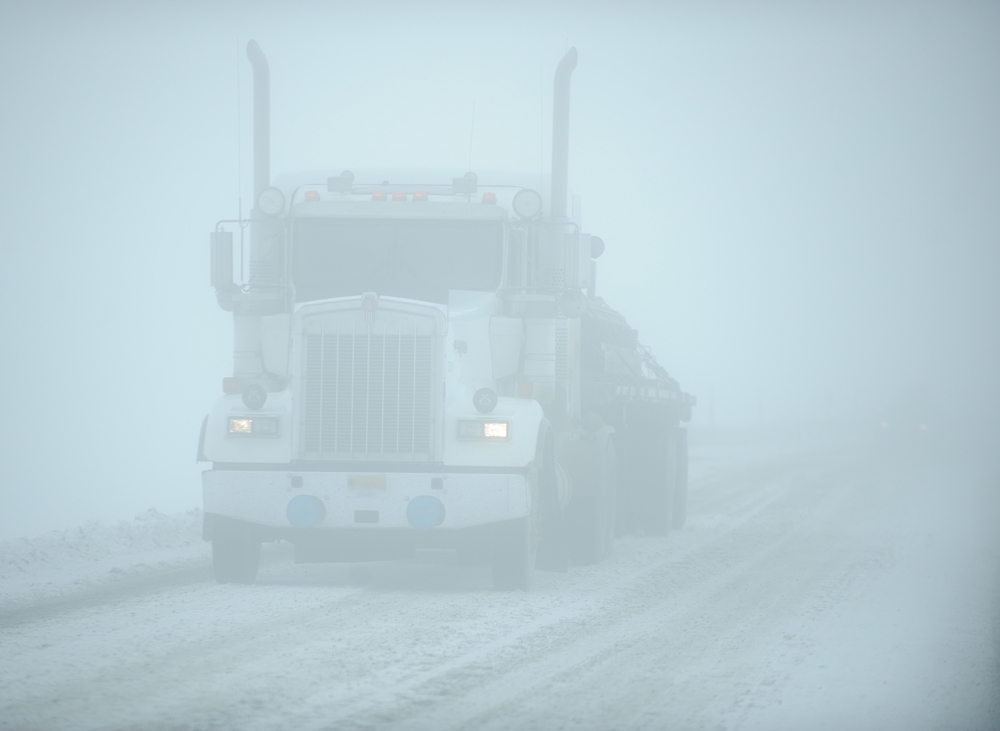
During winter months, when roadways can become icy and snow-covered, safety is of paramount importance. After all, even the most experienced commercial drivers can experience a weather-related accident. Reduced traction combined with poor visibility can cause an extreme challenge to even highly skilled drivers. Here are our Top Five Tips For Winter Truck Drivers to help improve roadway safety for truck drivers, even during extreme weather conditions.

Top Five Tips For Winter Truck Drivers

1.) Slow Down

Most accidents involve speed in some way. Therefore, it’s important for drivers to slow down, especially during winter driving conditions. Drivers must compensate for poor traction and visual hindrances by slowing down, giving themselves extra time to react if something should happen in front of them. According to a Road & Track article, when temperatures are between 25 and 35 degrees, tires can lose their grip, even more than they might at lower temps. This means that colder temperatures don’t always mean worse roadway conditions and showcases how even moderately cold temps can lead to dangerous driving conditions. Therefore, winter weather driving means slowing down!

2.) Put Extra Space Between Vehicles

A wet roadway means it takes a vehicle at least twice as long as normal to stop. On icy roads, this number jumps up to 10 times as long. Consequently, it’s important for drivers to leave ample space between their trucks and the vehicle in front of them. This will give drivers the necessary to stop if the need should arise.

3.) Avoid Sudden Actions

During cold, wet, icy or snowy weather, it’s important for drivers to refrain from sudden actions. This means drivers should not accelerate, brake, corner or any other driving-related action suddenly. Consistent speed is of vital importance to prevent the truck from sliding due to a slippery roadway. If sudden braking is necessary on a slick roadway, evasive action is likely the better option, rather than slamming on the brakes. A driver traveling at around 25-30 mph, which is ideal for poor driving conditions, should consider maneuvering around obstacles with a deceleration in order to avoid a potential collision.

4.) Be Aware of Potential Hazards

Bridges and overpasses can become especially dangerous during winter driving conditions. These locations tend to ice quickly, before the rest of the roadway, and they can even be neglected during road preparation for winter weather. Therefore, it’s important for truck drivers to slow down when approaching bridges to reduce their risk of sliding on black ice or slick patches.

5.) Be Prepared

Another way truck drivers can reduce their risk of having an accident on a winter roadway, is to prepare ahead of time. Drivers should check their truck’s tire pressure, antifreeze levels, engine oil and lights before traveling. It’s also a good idea to have a mechanic inspect the truck before winter weather begins, to ensure it is in tip-top shop for winter driving.

What Else Drivers Can do to Stay Safe

Having an accident due to slipping and sliding isn’t the only risk associated with winter weather driving. Icy, snowy roadways can cause all sorts of issues, some of which can strand truck drivers on the road, without the ability to get to a warm, safe location. Consequently, truck drivers should prepare an emergency kit of sorts in the unfortunate event that they find themselves stranded, waiting on roadways to reopen. (listed below)

Drivers might be tempted to walk to find help if their truck is stuck on the roadway, but in many cases, if they can’t see a place nearby to walk, it’s best to stay put, bundle up and wait for the storm to pass. It’s important to remember that carbon monoxide poisoning is possible if the truck’s exhaust pipe gets clogged with snow. Therefore, drivers should check their exhaust pipe regularly and keep windows slightly cracked to ensure proper ventilation. It’s also a good idea to only run the engine for around 10-15 minutes every hour.  

The following are some supplies every truck driver should have on hand when driving during the winter months to keep them safe while stranded or help get them moving once again if possible: Emergency Kit:

  • Tire chains.
  • Flashlight.
  • Extra clothing, for layering.
  • Blankets.
  • Windshield fluid.
  • Rain gear.
  • Gloves.
  • Bag of sand, salt or kitty litter to give traction on icy parking lots or roadsides.
  • Jumper cables.
  • Brushes or snow scrapers.
  • Putty knife or hammer, for frozen air tanks.

General Tips For Winter Truck Drivers Keep Safe on Icy Roadways

In addition to all the tips listed above, truck drivers should also keep the following general advice in mind:

Warm-up The Windshield

A dirty windshield presents a problem when it’s icy and freezing cold outside. When the temperature plummets, it can be difficult to get the defroster to work. Some truckers like to add brake line antifreeze to washer fluid to address this issue. This prevents the fluid from freezing on the window the second it hits when it is freezing outside. Drivers should also give themselves enough time to warm their trucks up properly before traveling. This includes time to properly warm-up or defrost the windshield.

Address Frozen Brakes

Brakes can also be frozen during winter weather conditions. If they become frozen, there are two things drivers should check to address this dangerous situation. They are as follows:

  • Frozen Drums: If the shoe is frozen solid to the drum, drivers often can gently tap the drum with a hammer (mentioned above) to unfreeze.
  • Frozen Valve: A frozen valve can be remedied by pouring methyl hydrate through the system.

Understand Waiting it Out is Sometimes Best

If truck drivers know severe winter weather is coming and there is simply no way to avoid the area, they are often better off just waiting out the weather, instead of risk getting stuck on the highway. In general, exit ramps are plowed after main highways, then rest areas. Therefore, truck drivers should wait out winter weather at a hotel, 24-hour restaurant, or gas station parking lot, instead of trying to travel. Doing so when they know bad weather is inevitable and unavoidable can prevent them from getting snowed in on the highway.

Are you a truck driver? Let us know if you have more tips for winter truck drivers.

Looking for a truck driving job? Apply Now or Search Driving Positions