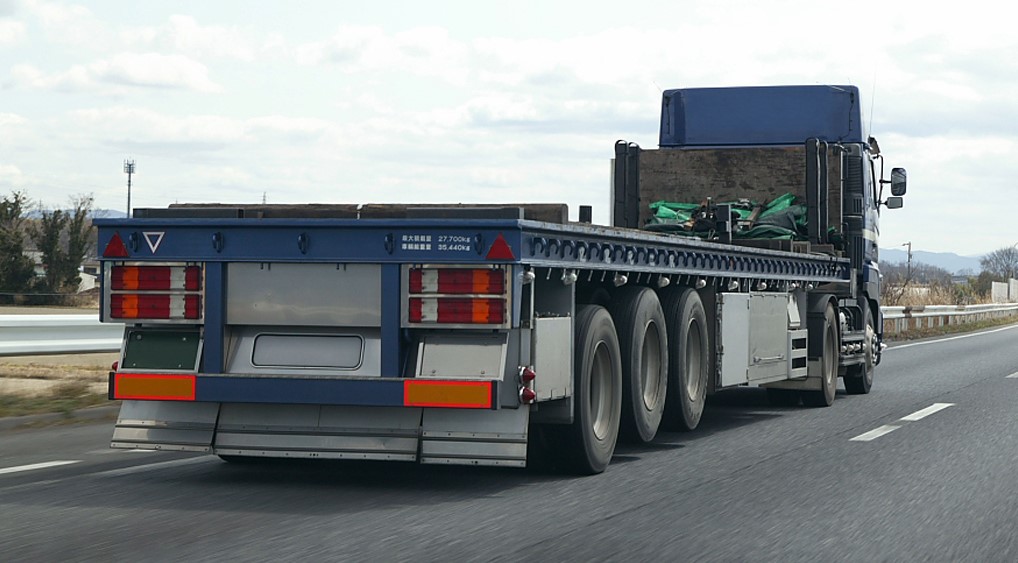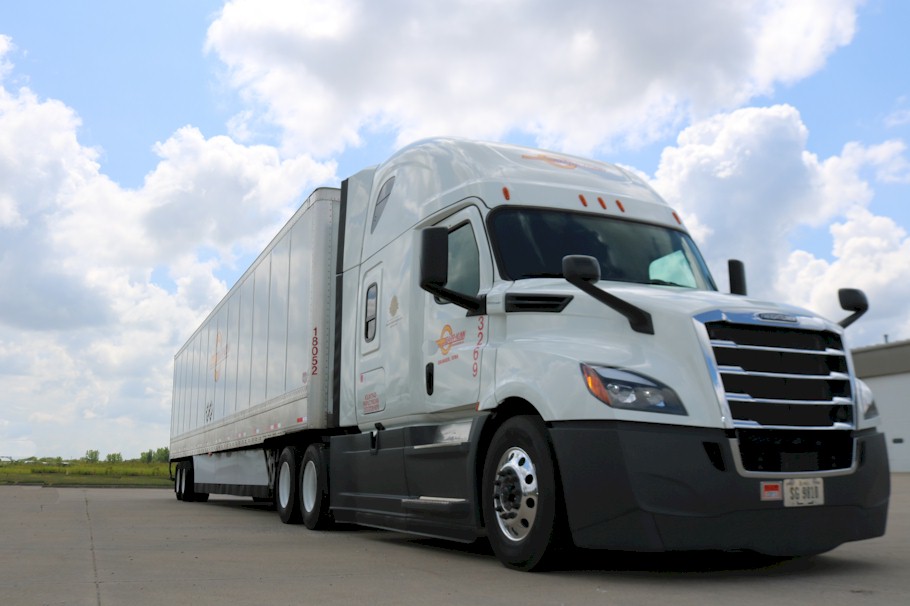
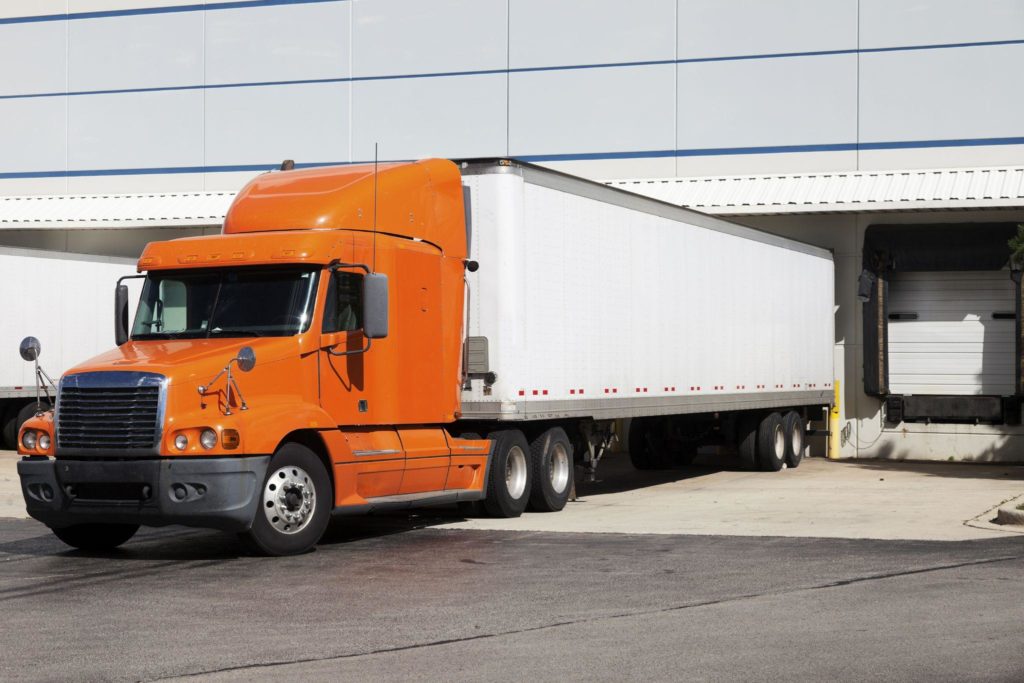
Live-Load vs. Drop-And-Hook Trucking: Which Is Best?

Live-Load and Drop-and-Hook are the two basic truck-loading methods utilized within the trucking industry as it relates to cargo delivery. How loads are facilitated—which can include the time when drivers are not being paid while they are waiting on cargo to be loaded—is often a big factor for both drivers and fleet managers alike. Therefore, it’s a good idea to know and understand the differences in order to determine which is the best fit for your needs.

What is Live-Load Trucking?

Live-load trucking is likely what you think of when you contemplate how a load or cargo is typically loaded or unloaded. With live-load, the truck driver is forced to wait while the cargo is loaded on their trailer and then wait again for it to be unloaded. Therefore, the trailer stays attached to the truck and the cargo inside is either loaded or unloaded.

Live loads need to be scheduled in advance, and in some cases, drivers are not compensated for their time while they wait for their cargo to be loaded or unloaded. Of course, there are some contracts that take this time into consideration and invoice a waiting fee into their compensation.

What is Drop-and-Hook Trucking?

Drop-and-Hook is another type of cargo management. With this type, the driver drops off their loaded trailer, picks up either a loaded trailer at that customer or goes with an empty trailer from that location, and immediately goes and picks up another trailer already full of cargo elsewhere. Therefore, there is no waiting for cargo to be either loaded or unloaded when this method is utilized.

This type of cargo management can be more difficult for independent drivers because you need a pool of trailers versus just one. In most cases, the cost of extra trailers outweighs the wait time when you are dealing with large trucking fleets.

Comparison Live-Load vs Drop-And-Hook

Obviously, drop-and-hook has many advantages, especially in terms of cutting down the time a driver is sitting and waiting for their cargo to be loaded or unloaded. Drop-and-hook also allows drivers to work on their own schedule as they don’t have to worry about a crew being ready at a certain time to load or unload their rig.

However, there are factors that should be considered that might not seem obvious at first when it comes to Drop-And-Hook. Sometimes in a trailer pool, all trailers have been maintained differently. Therefore, it can be aggravating for a driver to drop off a trailer in good condition to have to pick one up that is in bad shape.

Other Factors to Consider About Semi-Truck Loading

Both cargo methods have their own advantages and disadvantages when it comes to time management, operational efficiency, and factors like drivers’ pay. Delivery time, cargo type, and location can impact the decision about which method is best for a particular shipment.

At Barr-Nunn Transportation, we run 85% drop-and-hook loads for our solo drivers and 90-95% drop-and-hook loads for our team drivers. To learn more about drop-and-hook cargo options, visit us at Barr-Nunn Transportation.

Drive for Barr-Nunn Transportation! Search Truck Driving Positions or Apply Now!

What Do Deadhead Miles Mean in Trucking?

What Do Deadhead Miles Mean for Truckers?

In the trucking industry, “deadhead miles” refer to miles driven without any cargo or freight. This can happen when a truck driver delivers a load to a destination and then has to return to the point of origin without any cargo. These types of miles can have a significant impact on the profitability of trucking companies, as they lead to increased fuel costs and decreased revenue.

Impact of Deadhead Miles on Trucking Companies

The impact of deadhead miles on trucking companies can be significant. For example, if a truck driver must drive 100 miles to deliver a load and then drive another 100 miles back to the point of origin without any cargo, this results in financial loss.

This not only means that the trucker is not earning any revenue for those miles, but it also increases the cost of fuel and other expenses for the trucking company. These additional costs can eat into the overall profitability of the company.

Strategies for Minimizing Deadhead Miles

One strategy for minimizing deadhead miles is for trucking companies to find return loads. This means that after a truck delivers a load, the company works to find another load that needs to be transported back to the point of origin.

Another strategy is the utilization of load-matching technology, which allows trucking companies to connect with other companies that need loads transported and can help to reduce the number of empty miles driven.

Relationship between Deadhead Miles and Capacity Utilization

The ramifications of deadhead miles extend beyond their immediate fuel and operational costs; they significantly impede a trucking company’s overall capacity utilization and operational efficiency. Empty miles represent lost revenue-generating opportunities, disrupting the seamless functioning of the trucking enterprise. The inability to maximize capacity during these unproductive journeys directly hampers the company’s profitability and financial health.

Moreover, the domino effect of deadhead miles reverberates through the supply chain, introducing delays and logistical challenges. A trucking company’s capability to meet delivery timelines and optimize its fleet’s productivity hinges on mitigating these empty miles through strategic measures such as load optimization, route planning, and the incorporation of cutting-edge technology solutions.

Deadhead Miles in the Context of the Larger Trucking Industry

Deadhead miles, a pervasive challenge in the trucking industry, significantly impact supply chain logistics and contribute to the sector’s inefficiencies. These miles represent unproductive routes, where trucks travel without carrying a load, leading to increased fuel consumption and emissions. The ripple effect on supply chain logistics is profound, as it results in higher operational costs and extended delivery times.

The economic implications are substantial, with the trucking industry grappling with financial strain due to fuel expenses and reduced overall productivity. Addressing this issue becomes paramount for stakeholders, necessitating the adoption of innovative solutions like load-matching technology to optimize routes, reduce deadhead miles, and ultimately enhance the overall efficiency of the trucking ecosystem.

Technology and Digital Innovation

Technological strides, particularly the integration of load-matching technology, emerge as a pivotal solution to enhance the efficiency of trucking operations. This innovation mitigates deadhead miles – the distance traveled by trucks without carrying a load – by optimizing routes and matching available cargo with suitable carriers. By leveraging data-driven algorithms and real-time connectivity, this digital evolution not only minimizes environmental impact but also streamlines logistics, fostering a more sustainable and cost-effective trucking ecosystem. Embracing such advances promises to revolutionize the industry, addressing challenges and ushering in a new era of heightened productivity and resource optimization.

People Also Ask

What are deadhead miles in trucking?
Deadhead miles refer to the distance a truck travels without carrying any cargo, typically occurring when returning to the point of origin after delivering a load.

How do deadhead miles affect trucking companies financially?
Deadhead miles increase operational costs due to fuel consumption and vehicle wear without generating revenue, thereby reducing overall profitability for trucking companies.

What strategies can minimize deadhead miles?
Trucking companies can reduce deadhead miles by securing return loads, utilizing load-matching technology, and optimizing route planning to ensure trucks are loaded in both directions.

Why is it important to reduce deadhead miles?
Reducing deadhead miles enhances a trucking company’s efficiency and profitability by lowering fuel costs, decreasing vehicle wear, and maximizing revenue-generating activities.

How does load-matching technology help in reducing deadhead miles?
Load-matching technology connects trucking companies with available freight that aligns with their routes, enabling them to find cargo for return trips and thereby minimize empty runs.

What is the relationship between deadhead miles and capacity utilization?
High deadhead miles indicate poor capacity utilization, as trucks are operating without cargo. Minimizing these miles ensures that vehicle capacity is effectively used, enhancing operational efficiency.

Takeaway

In conclusion, deadhead miles are an important issue in the trucking industry, as they lead to increased costs and decreased profitability for trucking companies. However, by implementing strategies such as finding return loads and utilizing load-matching technology, trucking companies can minimize the number of deadhead miles they drive.

If you’d like to learn more about how you can reduce deadhead miles and maximize profits, contact us today at barr-nunn.com.

We can also help you become a Barr-Nunn solo, team, or owner-operator truck driver. Call 888-999-7576.

Drive for Barr-Nunn Transportation! Search Driving Positions or Apply Now!

Stress Reducing Tips & Techniques for Truck Drivers

Is truck driving stressful? Well, yes. After all, while truck driving is a rewarding and adventurous career, it can also get stressful at times. You can drive all over the country but also face many unpredictable factors. This means there are many stressful factors associated with the career overall. Thankfully, even though it can be stressful at times, there are ways you can reduce your overall stress levels and maintain a healthy lifestyle even when dealing with life on the road. Read on to learn more about reducing your stress and maintaining wellness:

Common Causes of Truck Driver Stress: How Stressful is Truck Driving?

The following are common causes associated with truck driver stress. These can all add to your stress levels as a truck driver:

  • Reckless & Distracted Drivers: The roadways are full of distracted and reckless drivers, and when your office is on the roadway, then you can experience a significant amount of stress due to this factor. After all, even when you pay attention, if others around you are drivers playing with their radios, lawlessly texting, etc. you have to be extra vigilant to maintain safety.
  • Exhaustion/Over-Work: Working long hours and altering your sleep schedule, which is sometimes part of the trucking industry, can mean that you are overly tired, leading to additional stress.
  • Tight Deadlines: When you are trying to meet a tight deadline then everything can cause you additional stress. A traffic back-up, or a mechanical failure, any delay can cause you to panic thinking you aren’t going to meet your deadline.
  • High-Value Cargo: Another reason that trucking can be stressful is the presence of high-value cargo. Obviously, if what you are hauling has a high value or is dangerous, you will be more stressed when transporting it from point A to point B.
  • Bad Weather: Bad weather can make driving that much harder by reducing your vision. Rain, sleet, snow, and especially ice can make it extremely different to control your rig, and that creates stress for obvious reasons.
  • Traffic: Stop-and-go traffic is stressful, always! However, when you’re a professional truck driver, stopping and going, or just stopping can be that much more stressful as it can cause you delays in meeting deadlines or even leave you stranded in bad weather.

Methods to Reduce Stress For Truck Drivers

Thankfully, you aren’t powerless to reduce your stress levels as it relates to the truck driving industry. Keep the following tips in mind to reduce stress levels:

  • Get plenty of rest. While truck driving does require some long hours to be sure. However, it’s important to get plenty of rest for your body to process the stress levels of the job.
  • Eat well and exercise. You will have to be purposeful when eating well and exercising when on the road. Thankfully, you can make healthy choices in terms of food. As far as exercise goes, taking a simple walk regularly can make a big difference. If no track is handy, just walk around your rig!
  • Talk to someone regularly – family, dispatchers, and other drivers. Truck driving can be isolating, which can lead to loneliness even if you are introverted by nature. Thankfully, you can talk to someone even when you are on the road. Call up your family and friends or talk to the dispatchers or other drivers. These are your co-workers in essence, so picking up your communication device and speaking to other drivers or dispatchers can be the equivalent of “meeting at the water cooler,” or “grabbing coffee.”
  • Plan your route ahead of time. To ease your stress levels as much as possible when running a route, make sure that it is planned out ahead of time. Ensure that you know exactly where you are going, and if you have time, even plan out some alternate routes in case you run into traffic, bad weather, or other delays.
  • Listen to podcasts. Finally, when the hours stretch out before you and you find yourself becoming overly stressed, this is a great time to listen to a podcast. When you do this, your mind is engaged in something else, allowing you to relax a bit and enjoy being entertained.

While the trucking industry has many benefits, it does come with high levels of stress as well. Thankfully, by keeping the tips listed above in mind and putting them into practice, you can reduce your stress levels and improve your well-being throughout your truck driving career.

People Also Ask

What are common causes of stress for truck drivers?

Truck drivers often face stressors such as long hours, tight deadlines, traffic congestion, and extended periods away from family. Additionally, factors like bad weather, isolation, and the sedentary nature of the job can contribute to increased stress levels.

How can truck drivers manage stress effectively?

Effective stress management techniques for truck drivers include planning routes in advance, maintaining a healthy diet, engaging in regular physical activity, and ensuring adequate rest. Practicing mindfulness, staying connected with loved ones, and utilizing relaxation techniques can also help alleviate stress.

Why is sleep important for reducing stress in truck drivers?

Adequate sleep is crucial for truck drivers as it helps in maintaining alertness, improving mood, and reducing the risk of accidents. Lack of sleep can exacerbate stress and impair decision-making abilities, making it essential for drivers to prioritize rest.

What role does physical activity play in stress reduction for truck drivers?

Regular physical activity helps in reducing stress by releasing endorphins, improving mood, and enhancing overall health. For truck drivers, incorporating exercises like walking, stretching, or strength training during breaks can be beneficial.

How can truck drivers maintain a healthy diet on the road?

Truck drivers can maintain a healthy diet by planning meals ahead, choosing nutritious snacks, and avoiding fast food. Incorporating fruits, vegetables, lean proteins, and whole grains can help in managing stress and maintaining energy levels.

What are some relaxation techniques suitable for truck drivers?

Relaxation techniques such as deep breathing exercises, meditation, and listening to calming music can help truck drivers manage stress. These practices can be easily incorporated into daily routines to promote mental well-being.

Looking for a New Truck Driving Career?

Drive for Barr-Nunn Transportation! Search Driving Positions or Apply Now!
You may also enjoy What are Drop-and-Hook Trucking Jobs?

Winter Health Tips for Truck Drivers

Staying healthy can be a challenge as the temperatures turn colder and winter sets in. As a truck driver who spends many hours on the roadway, this time of year can present even more challenges when it comes to maintaining your overall health. Thankfully, there are some steps you can take to reduce your risk of getting sick and keep yourself healthy throughout the winter:

Common Cold-Related Illnesses

The winter months bring along an increased risk of various types of illnesses for us all. However, as a truck driver, you might be more vulnerable to some of these factors than people in other professions. For example, problems like the following can be something you experience while working in frigid temperatures:

  • Hypothermia
  • Frost Bite
  • Cold/Flu

Tips For Staying Healthy as a Truck Driver: Winter Wellness Tips

Thankfully, by following the healthful tips listed below, you can decrease your chances of experiencing any of the ailments mentioned above or other winter-related problems. Keep them in mind, to ensure you remain healthy throughout the winter trucking season:

  • Stay Warm: When outdoors working on your rig or performing any trucking-related tasks, make sure that you are wearing warm clothing designed to keep your body temperature at healthy levels. Layers are great, so you can remove them if you warm up. Also, wind-resistant and water-resistant clothing are optimal. If you are inside your truck, you can even add a warm blanket to the mix.
  • Stay Hydrated: It might seem counterintuitive when you are cold, but during the winter, you must ensure that you get enough water and your body stays hydrated. Be aware that tea and coffee can actually have the opposite effect on you and dehydrate your body.
  • Exercise Regularly: Every adult should aim to get at least 150 minutes of moderate exercise on a weekly basis. When it is cold outside, maintaining a good workout regimen can become challenging if not impossible. In many cases, you have to shift to indoor workouts to get your heart pumping when exercising outdoors is not ideal.
  • Eat a Healthy Diet: All throughout the year it is important to eat a good healthy diet. However, during the winter it can be even more important as it can reduce your risk of getting sick and/or gaining weight from being more sedentary. Aim to eat a diet full of low-fat dairy, vegetables, fruits, and lean proteins. Avoid or limit excess sugar and saturated fats.
  • Get Plenty of Sleep: It’s important to get the correct amount of sleep even during the winter months. It can be tempting to almost hibernate when the temperature cools, so try to maintain a healthy sleeping pattern that allows you enough sleep to function properly.
  • Get Your Flu Shot: One easy way to reduce your risk of getting sick this winter is by getting your flu shot. This will boost your body’s immunity to the flu and if you do end up getting it, make your recovery easier and quicker.
  • Practice Proper Hygiene: These rules that we all learned as children are just as important now if not more so when it comes to fighting back against winter colds and the flu. Make sure you are doing the following regularly to keep yourself as healthy as possible:
    • Wash your hands often with warm water and soap, especially before eating.
    • Sanitize the surfaces you touch frequently.
    • Do not share utensils or cups with anyone else.
    • If you are in a crowded indoor space, consider wearing a mask.
    • Maintain a six-foot clearance from others.
  • Go Outside at Least Once Daily: Due to the short days and the cold, frigid temperatures, many people will experience a vitamin D deficiency throughout the winter months. To counteract this and ensure your spirits stay up, get outdoors as often as you can, but aim for at least once daily. Of course, make sure that you are protected from the elements when doing so, but make a daily dose of natural sunlight a priority.

Keep all the tips listed above in mind to keep yourself healthy this winter as a truck driver. Add to this, being safe on the roadway and ensuring that you have an emergency bag packed in case you are stuck, and you will be ready for anything winter throws at you!

Interested in driving for Barr-Nunn Transportation?

Search Driving Positions or Apply Now!

You may also enjoy What are Drop-and-Hook Trucking Jobs?

Celebrating Barr-Nunn Transportation’s 40th Anniversary

October 19, 1982. The Beginning

A driver himself, Robert Sturgeon purchased Manning Truck Lines and rebranded it as Sturgeon Truck Lines, Inc. With safety and on-time delivery as the company’s core values, and his 13-truck inventory, he was promptly contracted by Rail Flite to haul piggyback freight from Iowa to Omaha and Kansas City rail lines.

In March of 1985, Sturgeon went on to purchase Barr-Nunn’s authority and became licensed to haul freight throughout the United States.

Now branded as Barr-Nunn, the company collectively consisted of 97 drivers, 25 support staff, 85 tractors, and 152 trailers. Amazingly, Barr-Nunn amassed $9.7 million in sales in just 3 years.

In April of 1985, Barr-Nunn launched its first east coast freight lane for Strayer Seed Company. Shortly thereafter, the fleet was outfitted with 30 brand-new ‘85 and ‘86 Kenworth Tractors.

Further securing its foothold in the trucking industry, by January 1989, the workforce had expanded to 112 drivers and 53 support staff. Barr-Nunn’s annual revenue ballooned to $12 million.

Barr-Nunn’s arsenal grew in 1994, adding a 20,000 sq. ft. maintenance facility in Granger, Iowa. It also houses offices, training rooms, and drivers’ lounges. Moreover, the fleet grew to 225 tractors.

In January 1999, Barr-Nunn’s sales topped $77 million, and the fleet continued to flourish. It had expanded to 570 tractors and 1,400 trailers. The support staff grew to 130 Iowa-based maintenance and office personnel.

In early 2000, Barr-Nunn broke ground and launched the construction of a new corporate office in Granger, Iowa.

In the summer of 2003, Robert Sturgeon bolstered Barr-Nunn’s reach by opening a terminal in Washington Courthouse, Ohio. This facility served as the company’s first outlying driver support and orientation facility. This Ohio terminal would remain functional until early 2010.

In January 2007, Barr-Nunn further expanded its footprint by opening a terminal in the “Queen City” Charlotte, North Carolina. Driver support functions, orientation, and maintenance were conducted in this modest facility.

Only four months later in June 2007, Barr-Nunn opened a terminal in Manchester, Pennsylvania. Here, support staff conducted orientation, training, and tractor/trailer maintenance to support Barr-Nunn’s transiting driving professionals to the present day.

In January 2010, the Ohio terminal was relocated to Columbus. Here, support staff continued to conduct orientation and training as integral parts of the company’s culture.

Barr-Nunn was acquired by Knight Transportation in 2014 and the Sturgeons retired after 32 years. In addition to maintaining all jobs, company leadership, and brand independence, Barr-Nunn remains committed to providing our drivers with recognized “Top Pay” compensation, industry-leading safety performance, and award-winning customer service.

From 2018 through February 2019, Charlotte’s terminal received a much-appreciated complete brand-new remodel.

In 2019 and throughout the peak of the pandemic, Barr-Nunn’s driving professionals and support staff remained secure, reliable, agile, and safe—we sustained the nation during an unprecedented time in America’s history…

Over the course of our 40 years in business, we continue to maintain our fierce dedication to a “safety first and always” operation with unrivaled on-time service and the accolades from our customers to prove it.

Here’s to the next 40 years!

What CDL Truck Drivers Should Know About Mountain Driving

Driving on mountainous roads is not easy for any driver. However, when you are operating a big rig truck, this can be even more challenging. Read on to learn more about the potential dangers of mountain driving and how to counteract these risks and stay safe, even on mountain roadways:

Potential Dangers of Mountain Driving

Mountain roads are scenic and beautiful, but they can also be deadly if not given the respect they are due. The first step is knowing the risks, which include the below factors:

  • Downgrades due to steep grades mean you might have to use your gears and your brakes a lot when driving down mountain regions. Overheating brakes is one of the most common dangers associated with severe downgrades like those found through mountain passes.
  • Bad weather, like ice, snow, or even rain can make mountain roads slick, and severe winds can cause significant problems.
  • Blind curves and narrow roads with little to no shoulder are just part of mountain driving. These are factors all big rig drivers need to be aware of before hitting the roadway.
  • Believe it or not road rage from drivers who want to get around your rig can be more likely when driving on narrow mountain roads, even with the enhanced dangers of passing.

How to Prepare

Driving safely up, around, and down mountains begin with great preparation. Ask yourself: What should I do before driving in mountains? Or what safety precautions should you take when driving in mountains? Keep the following tips in mind to ensure you are well-prepared for any challenge you might face on mountain roadways:

  • Check the weather where you plan on traveling. While sometimes the weather can get nasty quickly and without much warning, if you know that bad weather is coming, you might be able to find another route to get you to your destination. If not, it will at least ensure you know what you will be facing and be prepared.
  • Make sure that you have your tire chains at the ready. This is especially important when your route includes mountain roads where snow and ice can make them particularly treacherous.
  • Maintain your truck’s engine and brakes. As mentioned above, the grades on mountain roads are hard on brakes and your engine. Therefore, make sure that you are properly maintaining these elements of your truck and that they are working as they should before you attempt a mountain route.

Tips for Truck Driving in the Mountains

Read below for more tips on how to safely drive on mountains:

  • Pay attention to grading. A major cause of accidents is not knowing the grade of a road. If you are not familiar with the area already, make sure to look for the grade sign. This percentage will give you an idea of what speed is safest to use when either climbing or descending a mountain. In most cases, you need to stay in lower gear during this process.
  • Go slow and use the appropriate gear. Another way to stay safe on mountain roads is using the right equipment like snow chains and going slow. Always match your speed to the current road conditions and the mountain grade to stay safe. Slow and steady wins the race when it comes to making it safely over a mountain in a big rig.
  • Watch for curves ahead. Mountain roads are notorious for blind curves. When traveling these mountain passes, keep in mind that there will be curves ahead, and ensure that your speed is appropriate to navigate them safely.
  • Don’t overuse brakes. Many drivers make use of the jake brake and only touch their brake pedal occasionally. When you maintain a slow speed and have allowed for the grade percentage, you shouldn’t have to hold down the brakes.
  • Don’t tailgate. Although it can be difficult to avoid, especially on narrow roads where passing is sometimes impossible, it’s important to never tailgate. You don’t want to find yourself unable to stop and hit someone who is moving slower than you.
  • Turn on hazards. If you want to ensure that other drivers know you are doing your best to maintain a slow and safe speed, which might not always be to their liking, turn on your hazards. This is also a good idea if you find yourself in rainy, snowy, or foggy conditions as it will make you more visible to other drivers.
  • Use a runaway lane. When absolutely necessary, use the runaway lane if you find yourself out of control of your rig. While it might not be what you want to do, it can save your life.

Drivers Also Ask

What is the most common danger of mountain driving for truckers?

The most common danger for truckers driving on mountain roads is overheating the brakes, especially when descending steep grades. Constant braking on long downgrades can cause the brakes to lose their effectiveness, potentially leading to accidents. To prevent this, truckers should use engine braking, gear down, and avoid riding the brakes.

How do truck drivers prepare for driving in the mountains?

Truck drivers prepare for mountain driving by checking the weather, maintaining their vehicles, especially the brakes and engine, and ensuring they have the necessary equipment like snow chains. Additionally, they familiarize themselves with the grades and conditions of the roads they’ll be driving on and make sure they’re aware of any blind curves or narrow roads.

Why is it important for truckers to use lower gears on mountain roads?

Using lower gears on mountain roads helps truckers control their speed without overusing the brakes. This reduces the risk of brake failure due to overheating, which is especially important on steep downgrades. Lower gears also provide more engine braking, allowing for smoother descents.

What are runaway lanes, and when should a trucker use them?

Runaway lanes are emergency lanes on steep mountain roads designed for vehicles, particularly trucks, that have lost control or their brakes have failed. Truckers should use these lanes immediately if they cannot slow down or stop their vehicle using their brakes, as runaway lanes can prevent serious accidents.

How can bad weather affect truck driving on mountain roads?

Bad weather, such as rain, snow, or ice, can make mountain roads extremely slick and dangerous for truckers. Snow and ice, in particular, reduce traction, making it difficult to control a truck’s speed and direction. Additionally, severe winds can make steering more challenging, especially in exposed mountain areas. This is why checking the weather and having snow chains ready is crucial for mountain driving.

Why are mountain roads challenging for truck drivers?

Mountain roads present unique challenges for truck drivers due to their steep grades, sharp curves, narrow lanes, and variable weather conditions. These factors require truckers to navigate carefully and adjust their speed frequently. The combination of long downhill stretches and difficult weather conditions like snow or rain can also increase the risk of brake failure, making these routes particularly demanding.

Keep the tips listed above in mind to stay safe as a CDL truck driver navigating dangerous mountain roadways.

What to Expect at Truck Driver Orientation

Beginning your career as a professional truck driver is an exciting venture. At this point, you have finished your CDL training and other licensing and are now preparing to onboard at your new job. For many trucking companies, the first step of your career path will be the truck driver orientation. Read on to learn more about what you can expect as you prepare to attend:

What is Truck Driver Orientation?

For most major trucking companies, the truck driver orientation is a sort of pre-interview that will lead to a major trucking job within the industry. In most cases, you as a potential truck driver will receive a formal invitation to this event, usually in the form of a pre-hire letter. The orientation is basically a meet-and-greet, allowing you to meet your potential future employers. You will also learn what a trucking company can offer you during this time of orientation.

Questions to Ask Before Attending

Before making plans to attend a truck driver orientation with a potential employer, it’s important to understand the specifics of the event. You need to ask them various questions to be sure you are well-prepared to attend. Consider asking the following questions to help you ascertain what will be covered and not covered as part of the process:

  • Will you be getting paid for training? You will want to know if your time is going to be paid, or if it’s just an expected part of getting the job as a truck driver. Generally, truck driver orientation takes place over a few days, and several companies will pay potential employees for their time at this event.
  • What will be provided? Will there be food or lodging? In many cases, when drivers must travel to orientation to attend, transportation will be provided. Many truck companies will also provide lodging arrangements as well or at least offer to reimburse you for your lodging expenses. Most companies will also provide food, allowing for one to three meals a day throughout the orientation program.
  • What about the truck? When you test as part of orientation, will there be a truck provided?

What to Bring With You to Orientation

When you choose to attend a truck driver orientation, the next step is preparing yourself for what you need to bring along. Here is a simple truck driver orientation checklist:

  • Personal documents. Necessary documents can include your birth certificate, medical cards, CDL licenses, and more. Anything that you would likely need when starting a new job.
  • Clothes. Aim for comfortable but professional. Some employers will not allow sweatpants or shorts to be worn even in orientation, so you need to determine if there are dress code restrictions or just aim to wear cargo pants, khakis, or jeans. Also, make sure to wear comfortable shoes and be sure to check the weather at the orientation location, so you know if you need to bring along a jacket or anything.
  • Some extra money. Even if food is provided, there will likely still be times you need a snack or perhaps just want something different from what is being served.
  • Stationery supplies. Have something to write with and take notes. This can include a pen, or pencil along with a notebook and highlighter or other similar materials.

What to Expect to Learn

Your trucking orientation will be an educational experience, teaching you a great deal of information about the company itself as well as its safety standards. After this initial introduction phase, most orientations will also include a driving test that will allow someone in the company to grade your abilities. After this, you will be set up with a dispatcher and begin to plan your first route as a new truck driver!

People Also Ask

What to wear to truck driving orientation?

When attending truck driving orientation, it’s essential to dress in comfortable, business-casual attire. Most companies prefer drivers to look professional yet practical. This usually means wearing jeans or khakis with a polo shirt or a neat t-shirt. Steel-toed boots or sturdy work shoes are often recommended, especially if you’ll be involved in any physical tasks or tours. Avoid wearing flip-flops or overly casual outfits like shorts and tank tops. Since trucking companies want drivers to make a good impression, dressing appropriately shows that you’re serious about the job.

What is orientation in trucking?

Orientation in trucking is a crucial onboarding process designed to familiarize new drivers with the company’s policies, safety protocols, and expectations. During this time, drivers often undergo training on company-specific procedures, including using the equipment, compliance with Department of Transportation (DOT) regulations, and proper logbook management. Orientation also covers important topics like driver safety, hours-of-service rules, company culture, and benefits. Additionally, drivers may be asked to take road tests, drug tests, and complete necessary paperwork. It’s an opportunity to learn about the job while ensuring drivers are ready to hit the road confidently and safely.

How many days is truck orientation in the USA?

The length of truck driver orientation in the USA typically ranges from two to five days, depending on the company. Most large trucking companies offer multi-day orientations to ensure their drivers are fully prepared for the job. These sessions include classroom training, road tests, physical exams, and equipment familiarization. Smaller companies might have shorter orientations, lasting around one or two days, focusing mainly on paperwork and basic procedural training. However, orientation programs vary across the industry, with some companies extending training based on the driver’s experience level or specific job requirements.

Interested in Getting Started With Barr-Nunn?

Contact Barr-Nunn Transportation today to enhance your trucking career and enroll in our orientation program.

What is No-Touch Freight?

As a new truck driver, you will be deciding between no-touch and traditional freight driving jobs, or those you do not unload or load yourself. Consider the following information about no-touch freight for a better understanding of what this means within the trucking industry.

What Does No-Touch Freight Mean?

When a type of freight is described as no-touch, this simply means that the truck driver does not load or unload their freight themselves. It could imply that warehouse employees load or unload the freight while it is parked at a loading dock or could mean that the driver simply drops and hooks freight at a trucking company with a large trailer and container pods. Either way, the truck driver is not responsible for the loading and unloading process. Instead, they pull up and have their load hooked to their truck or they pull in and have it unhooked.

Common Types of No-Touch Freight

No-touch freight can be any type of freight that the trucker driver isn’t responsible for loading or unloading. However, in some cases, no-touch freight is labeled as such because the loads themselves are dangerous, perhaps containing dangerous goods, gasses, or toxic chemicals.

These special loads require highly qualified individuals to handle them. Therefore, a driver would have to possess specific qualifications to meet the Federal Hazardous Materials Regulations.

Consequently, in some cases, no-touch freight is the result of this type of material that requires specifically trained handling. Other times, it’s simply freight that is unloaded or loaded before the trucker gets there to reduce the time it takes to get a load heading towards its destination.

Benefits of No-Touch, Drop-and-Hook Loads

There are many benefits of no-touch or drop-and-hook loads in comparison to a driver loading or unloading their own freight. The following are some of the most applicable:

  • Less liability for the driver: When a driver isn’t responsible for loading or unloading their own freight, this means they are not liable for any damages that happen during this process. Operating a no-touch freight truck is a great option for drivers who do not want the added liability of dealing with elevated platforms, heavy cargo, or the use of dock ramps or forklifts.
  • More time efficient: Because a driver can pull in with a load already ready to go out, or pull in and then leave their freight to be unloaded, it frees up the driver’s time to get onto the next trip.
  • Time to relax: No-touch freight also gives drivers an opportunity to relax, call home, or take care of other duties while their trailer is being either loaded or unloaded. This pause in the action can be a valuable resource for a driver who has been on the road for hours.
  • Less physical stress: Not having to worry about lifting or moving freight is less physically taxing on drivers. Therefore, especially if a driver has physical limitations, no-touch freight can be a way they can still enjoy the profession of trucking.

Find a No-Touch Freight Trucking Company

Once you determine that no-touch freight is a good option for you as a truck driver, you will want to look for a trucking company that has this type of freight hauling as an option. Some companies offer a no-touch freight option for 100% of their trucks, while others don’t have that option for the entire fleet. Keep in mind that removing the touching element of freight hauling will mean that you only focus on driving. You won’t get any physical activity from loading or unloading. If that sounds like what you are looking for, simply inquire about no-touch freight jobs at Barr-Nunn Transportation.

Interested in driving for Barr-Nunn Transportation? Search Driving Positions or Apply Now!

You may also enjoy What are Drop-and-Hook Trucking Jobs?

Barr-Nunn PTO: How Drivers Earn Paid Days Off

No matter how much you love your job, there will come a time when you want to take some time away, travel, or spend time with family. In other words, you will want some paid days off to enjoy a much-needed and deserved vacation. If you are a truck driver for Barr-Nunn or considering becoming one, you will be particularly interested in learning how drivers can earn paid days off with this company. Read on to learn more:

Importance of Truck Driver Vacation Time

Truck drivers are in extra demand, especially with the supply chain issues and the fact that they have been classified as essential workers throughout the pandemic. This means there has been increased demand with no end in sight for these hard-working professionals. Therefore, they are deserving of a break and should consider this paid vacation or time off as necessary for the following reasons:

  • Destress: Because of the high demand on their time and for their highly-skilled services, truckers can become stressed. Therefore, they need and deserve a break in order to destress from their jobs, the demands, the requirements, and the immense draw for their skills.
  • Spend Time With Family: Since truckers spend much of their time away from home completing routes, paid time off presents the opportunity for them to spend time with their loved ones. This can help them mentally and physically as well as encourage healthy relationships with those they love. It also ensures that their families know they are prioritized and important to the trucker, even though their career takes them away for many days of the month.

Barr-Nunn PTO: Truck Driver Paid Time Off

There are many ways that drivers can accrue or build-up paid days off which they can then use to take much-needed time off. They include the following:

  • Paid Per Mile: This is also known as PTO or paid time off per mile at Barr-Nunn. If you are a solo company truck driver, you earn so much paid time off per ever so many miles driven. Team drivers earn a slightly different amount per mile driven. The amount for solo-truck drivers breaks down as follows:
    • Paid miles 60,000 equals 3 days PTO or paid time off.
    • Paid miles 120,000 equals 3 days PTO.
    • Paid miles 180,000 equals 3 days PTO.
    • Paid miles 360,000 equals 6 days PTO.
    • Paid miles 480,000 equals 6 days of PTO.
    • Paid miles 960,000 equals 9 days of PTO.
    • An additional 9 days are offered with every additional 60,000 miles driven thereafter.
  • Paid Per Shift: If you are instead paid per shift, you will earn PTO annually on your employment anniversary.
  • CSA Safety Bonuses: With Barr-Nunn safety is of paramount importance, so they offer CSA safety bonuses to drivers every 90 days that allow drivers to earn additional PTO time.

What About Unexpected Needs?

Barr-Nunn understands that sometimes life happens. Therefore, they work diligently with truckers to ensure that they can get home when they need to for situations like funerals or jury duty that simply cannot be helped or planned. For specific company policies pertaining to these unexpected and unplanned needs, ask when signing up as a driver. Of course, that doesn’t always mean that a driver in this situation will have accumulated PTO, but the company will most certainly work with them to ensure they can be with their family or fulfill their duties as they come up.

Bottom Line: You Can Earn Paid Time Off

As with any other professional field, the trucking industry also provides a means of earning paid time off. Through various means including miles driven and additional safety qualifications, Barr-Nunn drivers can accumulate more and more PTO to spend with their families or on vacation. Ask about specifics for each type of PTO when signing up as a driver.

Interested in driving for Barr-Nunn Transportation? Search Driving Positions or Apply Now!
You may also enjoy 7 Qualities of Great Truck Drivers

What are Drop-and-Hook Trucking Jobs?

Drop-and-Hook Truck Driving

Small and larger companies, as well as tractor-trailer owner-operators looking for ways to improve their freight processes, should consider a practice called drop-and-hook trucking.

What is Drop-and-Hook Freight?

In this case, company truck drivers or owner-operators are asked to drop off their trailer when they arrive at their destination rather than wait with it until it’s emptied. With the full trailer unhooked, they’ll then be asked to pick up an empty trailer and go to their next pick-up. At this customer, they will drop the empty and pick up another full trailer and then get right back on the road with it.

Drop-and-hook trucking is designed to be especially efficient for the company and for the driver alike.

Drop-and-Hook vs. Live Loads

Traditionally, many trucking companies use “live loads”, where the driver pulls their truck to their destination and then sits and waits for it to be unloaded. Depending on how busy the yard is or how many items are in the trailer, sometimes this task can take hours.

These long waits can leave the driver with nothing to do during their wait – they’re essentially standing around losing money. Then, after their trailer is fully unloaded, the driver still has an empty trailer that they have to drive to the next stop or drive home.

However, in most drop-and-hook trucking freight, if the warehouse staff has been able to focus their efforts on being more efficient and productive with their loads, they’ll have the next trailer all loaded and ready for the driver to pick up when they arrive with a full trailer.

Provided the driver is familiar with drop-and-hook practices, it’s easy for them to work with the warehouse staff to get the second full trailer hooked up and ready to move out, often as fast as 30 minutes. This way, unloading doesn’t need to be rushed either, at least for the driver’s sake.

Advantages and Disadvantages

  • Pros

    If a driver has plenty of drop-and-hook hauls on their schedule, he or she will be able to put in more miles each day and also have less waiting time at each stop. They’ll also be more likely to hit their scheduled pick-up time and end times more dependably.
  • Cons

    Live loads may still be preferred for certain cargo like food, pharmaceutical products, or frozen goods. Live loads also might work better for flatbed cargo vs. trailers, and situations where the driver should have a role in unloading.

Drivers Also Ask

How is drop-and-hook different from live load?

In a live load, the truck driver must wait for their trailer to be loaded or unloaded at the destination, which can take hours depending on the size of the load and the availability of staff. Drop-and-hook eliminates this waiting time by allowing the driver to switch trailers quickly and get back on the road, making it a faster and more efficient option.

What are the benefits of drop-and-hook trucking?

The primary benefits of drop-and-hook trucking are reduced waiting times and increased mileage, allowing drivers to complete more trips in a day. Drivers spend less time waiting at the dock and more time driving, which can lead to higher earnings and better adherence to delivery schedules. It also reduces stress since drivers don’t have to manage the loading or unloading process.

Are there any downsides to drop-and-hook freight?

While drop-and-hook is generally more efficient, it may not be ideal for all types of freight. Cargo that requires special handling, such as refrigerated goods, pharmaceuticals, or items on flatbed trailers, may need a live load process where the driver oversees loading and unloading. Additionally, not all companies have the infrastructure to support drop-and-hook, limiting its availability.

How long does a drop-and-hook usually take?

A drop-and-hook can typically be completed in as little as 30 minutes, depending on the efficiency of the warehouse and the driver’s familiarity with the process. This is significantly faster compared to live loads, where drivers may wait several hours for loading or unloading.

Do all trucking companies offer drop-and-hook freight?

Not all trucking companies offer drop-and-hook freight. The availability of this service depends on the company’s infrastructure, the type of freight they handle, and their clients’ needs. However, many large companies and logistics providers are increasingly adopting drop-and-hook practices to improve efficiency for both drivers and businesses.

Looking for Drop-and-Hook CDL Trucking Jobs?

At Barr-Nunn Transportation, we offer our Solo Drivers, Team Drivers, and Team Owner-Operators opportunities for 100% no-touch freight, most of which is drop-and-hook. That means our drivers can enjoy more time on the road and less time waiting for freight to be unloaded. Barr-Nunn also offers drivers Practical Mileage Scale pay, paid time off, and safety-based pay raises.

Interested in driving for Barr-Nunn Transportation? Search Driving Positions or Apply Now!

You may also enjoy 7 Qualities of Great Truck Drivers